The End of an Era: How Communism Fell
Fast answer first. Then use the tabs or video for more detail.
- Watch the video explanation below for a faster overview.
- Game mechanics may change with updates or patches.
- Use this block to get the short answer without scrolling the whole page.
- Read the FAQ section if the article has one.
- Use the table of contents to jump straight to the detailed section you need.
- Watch the video first, then skim the article for specifics.
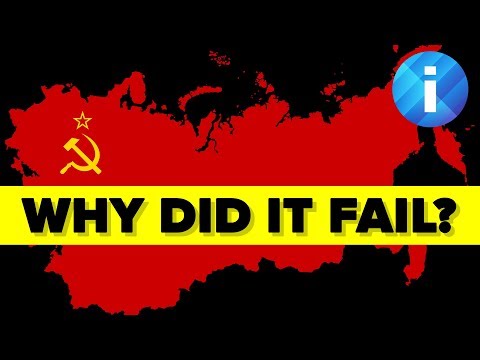
The demise of communism as a dominant global force was not a singular event but a complex process involving a confluence of political, economic, and social factors. In essence, communism ended through a combination of internal pressures within the Soviet bloc, the rise of reform movements, the failure of centrally planned economies, and the sustained geopolitical pressure exerted by the West, primarily the United States. The pivotal year was 1989, when a series of revolutions across Eastern Europe dismantled Marxist-Leninist regimes and culminated in the symbolic fall of the Berlin Wall. The subsequent collapse of the Soviet Union in 1991 marked the definitive end of the Cold War and a significant shift in global power dynamics. This process was not uniform, with various countries experiencing different pathways out of communist rule, but the underlying drivers remained consistent.
The Cracks in the Foundation
Economic Inefficiency and Stagnation
One of the primary reasons for the collapse of communism was its inherent economic inefficiency. Centrally planned economies proved unable to adapt to changing consumer demands or technological advancements. This led to widespread shortages, poor quality goods, and a significant gap in living standards compared to the West. The lack of market-based incentives stifled innovation and productivity, creating a system plagued by economic stagnation. This economic malaise fueled popular discontent and eroded faith in the communist system’s ability to deliver prosperity.
The Rise of Reform Movements
The late 1980s witnessed a wave of reform movements across the Soviet bloc. In Poland, the Solidarity movement, led by Lech Walesa, challenged the communist government through mass strikes and protests. These movements, often fueled by a desire for greater political freedom and economic opportunity, gained momentum as people became increasingly frustrated with the existing system. The Soviet Union’s glasnost (openness) and perestroika (restructuring) policies, introduced by Mikhail Gorbachev, inadvertently weakened the grip of communist parties in Eastern Europe. These reforms, intended to revitalize the Soviet Union, ultimately created an environment where popular protests could flourish, pushing for more radical change.
External Pressures and Containment
The containment policy of the United States, implemented since the end of World War II, played a significant role in undermining communism. This policy involved a combination of military alliances, economic aid, and diplomatic pressure to prevent the spread of communism. The arms race, while economically taxing for both sides, also placed a considerable strain on the Soviet economy, further exposing its inherent weaknesses. The Marshall Plan provided economic aid to Western European countries, fostering prosperity and demonstrating the attractiveness of capitalism. The creation of NATO served as a bulwark against Soviet expansion, strengthening the resolve of the Western alliance.
The Fall of the Berlin Wall and the Revolutions of 1989
The fall of the Berlin Wall on November 9, 1989, was a symbolic event that epitomized the collapse of communism in Eastern Europe. This momentous occasion was the culmination of months of protests and increasing pressure on communist governments. The domino effect was swift, with communist regimes in Poland, Hungary, Czechoslovakia, Romania, and Bulgaria collapsing in rapid succession. These Revolutions of 1989 were largely peaceful, demonstrating the widespread rejection of communist rule and the deep-seated desire for liberal democracy.
The Dissolution of the Soviet Union
The collapse of communist regimes in Eastern Europe weakened the Soviet Union, which was already facing internal challenges. The economic hardships and growing calls for independence from various Soviet republics led to political instability. The failed August 1991 coup attempt by hardliners further weakened the Soviet government. This ultimately led to the dissolution of the Soviet Union on December 26, 1991, marking the formal end of the world’s first communist state and a significant turning point in global history.
Frequently Asked Questions (FAQs)
1. When did communism end in Eastern Europe?
The collapse of communism in Eastern Europe primarily occurred during the Revolutions of 1989. This wave of revolutions saw the dismantling of Marxist-Leninist regimes in Poland, Hungary, East Germany, Czechoslovakia, Romania, and Bulgaria. The fall of the Berlin Wall on November 9, 1989, was a symbolic high point of this period.
2. What specific reforms did Gorbachev introduce that destabilized communist control?
Gorbachev introduced glasnost (openness) and perestroika (restructuring). These policies aimed to reform the Soviet political and economic system by allowing more freedom of expression and some market-based reforms. However, these reforms inadvertently weakened the control of the Communist Party and emboldened reform movements across the Soviet bloc.
3. Was the end of communism a peaceful process everywhere?
While many of the revolutions in 1989 were largely peaceful, there were exceptions. For instance, the Romanian Revolution involved violence and the execution of dictator Nicolae Ceaușescu. The transition to democracy also varied across countries, with some experiencing a smoother transition than others.
4. What was the role of the US containment policy in the end of communism?
The US containment policy, implemented throughout the Cold War, aimed to prevent the spread of communism. This policy included military alliances, economic aid, and diplomatic pressure, all of which exerted significant pressure on the Soviet bloc and ultimately contributed to its weakening.
5. What were the key weaknesses of communist economies?
Communist economies, characterized by central planning, suffered from economic inefficiencies, shortages, a lack of innovation, and a failure to meet consumer demands. The absence of market mechanisms led to economic stagnation and a considerable gap in living standards compared to capitalist economies.
6. What was the significance of the Berlin Wall’s fall?
The fall of the Berlin Wall on November 9, 1989, symbolized the end of the Cold War’s division of Europe. It marked a powerful moment of popular resistance against communist rule and became a global symbol of freedom and the victory of democratic ideals.
7. What happened to the Soviet Union after the fall of communism?
Following the collapse of communist regimes in Eastern Europe, the Soviet Union dissolved on December 26, 1991. The various Soviet republics gained independence, and the Russian Federation became the Soviet Union’s successor state.
8. How did Poland manage to get rid of communism?
Poland’s path to the end of communism began with the rise of the Solidarity movement. Through strikes and protests, Solidarity challenged communist rule, leading to the partially free elections of 1989. This eventually paved the way for a democratic transition in Poland.
9. Is communism still a thing today?
Yes, there are still communist states, though they often do not fully align with the classical definition of communism. Countries like China, Cuba, Laos, Vietnam, and North Korea still have communist governments. However, many have incorporated market-based reforms into their economies.
10. Has communism ever been successful?
While Marxist theory envisioned communism as the outcome of advanced industrial societies, communism has mostly taken root in less developed countries. However, many historians and economists argue that the communist states did not achieve true communism in practice.
11. What is the difference between communism and socialism?
Communism is a political and economic system advocating for a classless society where the means of production are communally owned, while socialism seeks to bring equality to the means of production but can coexist with elements of democracy and private ownership. Communism often requires a revolution to achieve a system where private property is largely abolished.
12. What were the major crimes committed under communist regimes?
Communist regimes have been implicated in crimes against humanity, including forced deportations, massacres, torture, forced disappearances, extrajudicial killings, terror, ethnic cleansing, and deliberate starvation.
13. Why did the Soviet economy fail?
The Soviet economy faced multiple challenges including economic stagnation, inherent inefficiencies of central planning, technological gaps with the West, and an inability to respond to changing consumer demands. External shocks, such as fluctuations in the oil market and economic issues with trading partners, also contributed to the decline.
14. Why couldn’t the US defeat Vietnam?
The US military faced significant challenges in Vietnam due to the guerrilla tactics used by the Viet Cong, their deep commitment to their cause, the dense jungle terrain, and the lack of public support at home.
15. How did the US attempt to stop the spread of communism?
The US utilized multiple strategies to stop the spread of communism, including the Marshall Plan (economic aid to devastated European countries), the Berlin Airlift, the creation of NATO, and helping to form the United Nations. These efforts aimed to strengthen capitalist allies and contain Soviet expansion.
In conclusion, the end of communism was a multifaceted process driven by internal contradictions, external pressures, and the power of popular movements demanding freedom and democracy. While its influence has receded significantly, its legacy continues to shape global politics and ideology.