The Marring of Arda: How Melkor Corrupted the World
Fast answer first. Then use the tabs or video for more detail.
- Watch the video explanation below for a faster overview.
- Game mechanics may change with updates or patches.
- Use this block to get the short answer without scrolling the whole page.
- Read the FAQ section if the article has one.
- Use the table of contents to jump straight to the detailed section you need.
- Watch the video first, then skim the article for specifics.
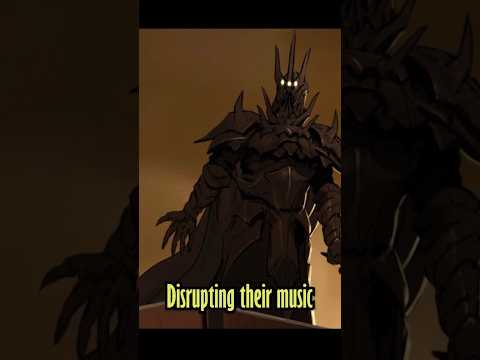
Melkor, later known as Morgoth, corrupted Arda through a multifaceted and insidious process. It began with rebellion against Ilúvatar during the Music of the Ainur, introducing discord and shaping the very fabric of creation with his own selfish desires. This initial act of defiance tainted Arda from its inception. Subsequently, Melkor actively sought to mar the physical landscape, establishing fortresses like Utumno and Angband, which radiated a palpable evil that poisoned the land, killing plants and animals. His most damaging acts involved destroying the Two Lamps of the Valar and later the Two Trees of Valinor, plunging Arda into darkness and diminishing the light and beauty of the world. Finally, Melkor corrupted living beings, most notably the Elves, twisting them into the Orcs, and seducing powerful figures like Sauron to his cause. His ultimate goal was to dominate and control Arda, bending it entirely to his will, and in doing so, he permanently scarred and diminished its original potential.
The Seeds of Discord: Melkor’s Initial Rebellion
Melkor’s corruption of Arda didn’t start with physical destruction; it began with a fundamental act of spiritual rebellion. During the creation of Arda through the Music of the Ainur, Melkor introduced his own themes, jarring and dissonant, into the symphony. This wasn’t merely a stylistic difference; it was a direct defiance of Ilúvatar’s (God’s) vision, a seed of discord planted within the very essence of the world. The Music was intended to be a harmonious expression of Ilúvatar’s will, bringing beauty and order to existence. Melkor’s additions, however, were driven by self-will and a desire to control and dominate, thereby tainting the very foundation upon which Arda would be built. This initial act is crucial because it established the inherent potential for evil and disharmony within Arda, making it susceptible to further corruption.
The Physical Marring: Fortresses and Poisoned Lands
Melkor’s rebellion wasn’t confined to the spiritual realm; it manifested in the physical world as well. He established powerful fortresses like Utumno and Angband, which served as epicenters of his dark influence. These were not merely defensive structures; they were active agents of corruption, radiating a tangible evil that poisoned the surrounding lands. Plants withered and died, animals sickened and mutated, and the very air seemed to grow heavy with malice. This physical marring represented a direct assault on the beauty and vitality of Arda, transforming once-pristine landscapes into desolate wastelands. The destruction of the Two Lamps of the Valar further exacerbated this problem, plunging Middle-earth into darkness and hindering the growth and flourishing of life.
The Corruption of Life: Orcs, Dragons, and Fallen Angels
Perhaps the most devastating aspect of Melkor’s corruption was its impact on living beings. He systematically twisted and perverted the natural order of life, creating monstrous creatures and corrupting the innocent. The most infamous example of this is the creation of the Orcs, who were believed to be Elves that Melkor captured and subjected to horrific torture and transformation. These creatures became his foot soldiers, spreading chaos and destruction throughout Middle-earth. He also bred monstrous beasts like Dragons, who were imbued with fire and greed, becoming powerful agents of destruction. Furthermore, Melkor corrupted other Ainur, such as Sauron, who became his most trusted lieutenant and continued his master’s work of evil long after his defeat. This systematic corruption of life represents a profound attack on the inherent goodness of Arda.
The Theft of Light: Destroying the Two Trees
The destruction of the Two Trees of Valinor stands as one of Melkor’s most heinous acts. These trees, Telperion and Laurelin, provided the primary source of light for Valinor and their light, even after their destruction, was preserved within the Silmarils. With the help of Ungoliant, a primordial spider-like creature of immense power, Melkor poisoned and drained the life force from the Trees, plunging Valinor into darkness and stealing their light. This act not only deprived the Valar of their primary source of sustenance but also robbed Arda of its purest and most radiant source of beauty. The theft of the light was a symbolic act of defiance, a rejection of the inherent goodness and beauty of creation.
The Legacy of Evil: A World Scarred
Melkor’s corruption of Arda left a lasting legacy. His actions forever altered the landscape, the creatures that inhabited it, and the very nature of existence. Even after his defeat and banishment, his influence continued to be felt through Sauron and other remnants of his evil. The world was forever marred by his actions, a testament to the enduring power of darkness and the constant struggle between good and evil. The tale of Melkor serves as a cautionary tale, reminding us of the importance of resisting corruption and striving to preserve the beauty and integrity of the world.
Learn More About Tolkien’s World
Interested in delving deeper into the lore of Middle-earth and the complex themes explored by Tolkien? The Games Learning Society provides a vibrant community and resources for exploring these topics through interactive experiences. Visit GamesLearningSociety.org to discover more.
Frequently Asked Questions (FAQs) About Melkor’s Corruption of Arda
How did Morgoth corrupt Sauron?
Sauron’s origins were angelic, but he became captivated by the idea of ordering things according to his own will. This desire for control and power made him susceptible to Morgoth’s influence. Morgoth, a Dark Lord, corrupted countless souls and waged wars against Elves and Men throughout the First Age, appealing to Sauron’s ambition and offering him a path to power.
Did Melkor corrupt Ungoliant?
The origins of Ungoliant are shrouded in mystery. Some of the Eldar believed that she may have been among the Ainur whom Melkor had corrupted long ago in the beginning, yet she was not listed among the known Ainur. Her immense power and insatiable hunger made her a useful tool for Melkor’s destructive purposes.
How did Morgoth turn evil?
Morgoth, also known as Melkor, was the greatest of the Ainur. He fell from glory when he disrupted the Music of the Ainur and defied the will of Ilúvatar. This act of rebellion, driven by a desire for self-will and dominance, marked his descent into evil.
How did Morgoth destroy the light of Valinor?
Morgoth, with the help of Ungoliant, destroyed the Two Trees of Valinor. He wounded them with his spear, and then Ungoliant drank the light from the Trees, draining them dry. She also drained the Wells of Varda, leaving only the light within the Silmarils of Fëanor.
Who finally defeated Morgoth?
Morgoth will be slain in the Last Battle by Túrin Turambar, the Man he cursed. By finally defeating Morgoth, Túrin will avenge not only himself but all members of the race of Men.
Why did Melkor destroy the Two Lamps?
The destruction of the Two Lamps created the geography of Middle-earth and Aman. If Melkor hadn’t toppled the lamps, Aman would never have been separated from Middle-earth. This separation allowed for the proper development of humans away from the direct influence of the Valar.
What was Morgoth afraid of?
Morgoth was fearful of the wrath of the Elves, particularly the House of Fingolfin. He understood their capacity for resistance and their commitment to opposing his evil.
Who did Morgoth fear?
Morgoth hated and feared the House of Fingolfin the most of the three Houses of the sons of Finwe, and he feared most Fingolfin’s son Turgon. It was prophesied that from the House of Turgon would his doom come.
What are the worst things Morgoth has done?
The worst things Morgoth did include corrupting creatures into evil, tricking Mairon (Sauron) into joining him, breeding the Orcs by torturing Elves, and plunging the world into darkness by destroying the Lamps of Valinor and the Two Trees.
What happened to Melkor after his defeat?
Melkor was defeated by Tulkas, bound with the chain Angainor, and imprisoned in the Halls of Mandos for three ages. After his release on parole, he sowed more discord and was ultimately cast into the Void.
Was Melkor scared of Ungoliant?
Ungoliant grew to a vast and hideous shape after drinking the light of the Two Trees and draining the Wells of Varda, belching black vapours, which terrified even Melkor.
How did Sauron corrupt Númenor?
Sauron, after surviving the fall of Morgoth, assumed an inoffensive persona and befriended the Númenorean king Ar-Pharazôn. He corrupted the king and fueled his ambition, exhorting the locals to worship Morgoth as a god.
Did Sauron regret serving Morgoth?
During the Second Age, Sauron briefly showed repentance for his actions as Morgoth’s lieutenant. He knew the fate of Morgoth and wanted to avoid it for himself.
Who did more damage Sauron or Morgoth?
Both Morgoth and Sauron inflicted significant damage, but Morgoth was undoubtedly the more powerful and the source of all evil in Arda. Sauron merely continued Morgoth’s legacy.
Who is stronger then Morgoth?
Ilúvatar, the creator of the Ainur, is infinitely stronger than Morgoth. Among the Ainur, no one rivaled his initial power, but his acts of rebellion ultimately diminished him.