How to Climb the Ranks: A Deep Dive into Rocket League MMR
Fast answer first. Then use the tabs or video for more detail.
- Watch the video explanation below for a faster overview.
- Game mechanics may change with updates or patches.
- Use this block to get the short answer without scrolling the whole page.
- Read the FAQ section if the article has one.
- Use the table of contents to jump straight to the detailed section you need.
- Watch the video first, then skim the article for specifics.
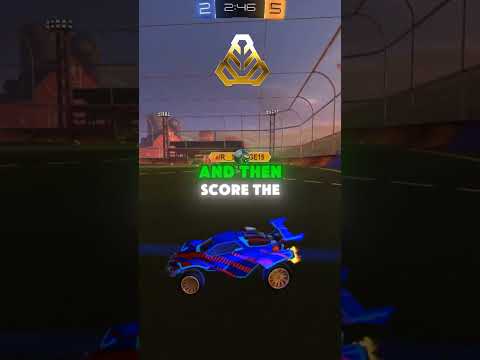
So, you want to boost your MMR in Rocket League? The fundamental answer is simple: win more games. However, how you achieve those wins is where the real strategy lies. This isn’t just about mindlessly queuing; it’s about understanding the game, improving your skills, and applying smart tactics to consistently outperform your opponents. Let’s break down the key elements that will propel you up the Rocket League ranks.
The Foundation: Skill Development
Before diving into advanced strategies, make sure you have a solid foundation. This involves consistent practice in several key areas:
Mechanics: The Building Blocks of Success
- Car Control: This is paramount. Master the art of precise movement, aerial control, and recovery. Practice flying upside down, sideways, and making micro-adjustments in the air.
- Shooting: Accuracy is key. Work on power shots, finesse shots, and redirects. Consistently hitting the ball where you intend to is crucial.
- Dribbling and Ball Control: Learn to keep the ball close and under control. Dribbling allows you to create space, set up plays, and control the pace of the game.
- Passing: Rocket League is a team game. Practice accurate and well-timed passes to create scoring opportunities for your teammates.
- Boost Management: Learn to conserve boost and use it efficiently. Avoid over-boosting and focus on strategic bursts of speed.
- Fast Aerials: Master the ability to quickly launch into the air. This is essential for challenging aerial balls and making quick saves.
Game Sense: The Art of Prediction and Positioning
- Rotation: Understanding rotations is crucial for maintaining defensive coverage and creating offensive opportunities. Rotate effectively with your teammates to avoid double commits and open nets.
- Positioning: Position yourself strategically on the field to maximize your impact. Anticipate where the ball is going and be ready to react.
- Reading the Play: Develop the ability to predict what your opponents and teammates are going to do. This allows you to make proactive decisions and react quickly to changing situations.
- Decision Making: Make smart decisions under pressure. Know when to challenge, when to defend, and when to pass.
The Climb: Strategies for Winning Games
Once you have a solid foundation, you can start implementing strategies to improve your win rate:
Play with a Consistent Team
Playing with a consistent team offers a significant advantage. It allows you to:
- Develop Chemistry: Over time, you and your teammates will learn each other’s playstyles and tendencies.
- Coordinate Strategies: You can develop and practice specific strategies that work for your team.
- Communicate Effectively: Clear and concise communication is essential for teamwork. Practice communicating effectively with your teammates.
- Maintain Consistency: Playing with the same team helps to maintain consistency in your gameplay and results.
Review Your Replays
One of the most effective ways to improve is to review your replays. This allows you to:
- Identify Mistakes: Watch your replays carefully to identify areas where you made mistakes.
- Analyze Your Gameplay: Analyze your decision-making, positioning, and rotations.
- Learn from Your Losses: Don’t be afraid to watch your losses. They can provide valuable insights into your weaknesses.
- Track Your Progress: By reviewing your replays regularly, you can track your progress and see how you’re improving.
- The GamesLearningSociety.org website is a good resource for learning about analyzing game play and learning from it.
Adapt to Your Opponents
Every game is different. You need to be able to adapt your playstyle to counter your opponents:
- Observe Their Playstyle: Pay attention to how your opponents are playing. Are they aggressive or defensive? Do they prioritize aerials or ground play?
- Adjust Your Strategy: Adjust your strategy to exploit your opponents’ weaknesses. If they’re aggressive, play defensively and capitalize on their mistakes. If they’re defensive, be more aggressive and pressure them.
- Counter Their Strengths: Identify your opponents’ strengths and find ways to counter them. If they’re good at aerials, try to keep the ball on the ground. If they’re good at dribbling, challenge them aggressively.
Mental Fortitude: Staying Focused and Positive
- Tilt Management: Everyone gets frustrated sometimes. Learn to manage your tilt and avoid making rash decisions.
- Stay Positive: Maintain a positive attitude, even when you’re losing. Positivity can help you stay focused and motivated.
- Focus on Improvement: Focus on improving your own gameplay, rather than blaming your teammates or the game.
- Take Breaks: If you’re feeling frustrated or burnt out, take a break. Stepping away from the game can help you refresh your mind and come back with a fresh perspective.
FAQ: Your Burning MMR Questions Answered
1. Does personal performance (score, saves, etc.) affect MMR?
No. As the article states, MMR gains/losses are solely based on wins and losses. Individual performance metrics don’t directly influence your MMR.
2. How much MMR do I typically gain or lose per game?
The amount of MMR gained or lost per game can vary depending on the MMR of your team and your opponents. Typically, you can expect to gain or lose around 9-15 MMR per game.
3. What happens if a teammate leaves mid-game? Does it affect my MMR loss?
Yes. If a teammate leaves, you will still lose MMR if you lose the game. The penalty for leaving early also hurts the leaver more than the other teammates, but not winning, you are still going to lose MMR.
4. Does forfeiting a match impact my MMR differently than playing it out?
Forfeiting doesn’t change the MMR outcome. A loss is a loss, regardless of whether you forfeit or play until the end. But you will get banned from playing for a duration of time.
5. How can I check my current MMR?
To check your MMR in Rocket League, go to your Profile in the main menu, then click on Stats. Your MMR is typically located at the top right of the window.
6. Is there a difference in MMR gains/losses in different game modes (e.g., 2v2 vs. 3v3)?
Yes, there are separate MMR ratings for each ranked game mode. Therefore, your MMR in 2v2 will not affect your MMR in 3v3, and MMR gains/losses are independent for each mode.
7. Is Diamond a good rank in Rocket League?
Diamond is generally considered an above-average rank, but not elite. It represents a significant level of skill and understanding of the game.
8. If I queue with a friend who has significantly lower MMR than me, will my MMR gains be affected?
Yes. When queuing with a lower-ranked friend, you’ll typically gain less MMR for a win and lose more MMR for a loss compared to solo queuing.
9. What MMR range corresponds to each rank in Rocket League?
The MMR ranges vary slightly season to season, but generally, they follow this pattern (these are examples and may not be the exact current ranges):
- Bronze: 0-499 MMR
- Silver: 500-999 MMR
- Gold: 1000-1499 MMR
- Platinum: 1500-1999 MMR
- Diamond: 2000-2499 MMR
- Champion: 2500-2999 MMR
- Grand Champion: 3000+ MMR
10. How often does MMR reset in Rocket League?
MMR typically undergoes a soft reset at the beginning of each new season. This means your MMR is slightly adjusted towards the middle of the MMR distribution, but you don’t start from zero.
11. What’s more important for climbing: individual skill or teamwork?
Both are crucial, but teamwork often outweighs individual skill in higher ranks. A well-coordinated team with good communication can often beat a team of individually skilled players who lack cohesion.
12. Should I focus on one game mode or play multiple?
This depends on your goals. Focusing on one game mode allows you to specialize and climb faster in that mode. However, playing multiple modes can improve your overall game sense and prevent burnout.
13. What are some good training packs for improving specific mechanics?
There are countless training packs available. Some popular options include:
- Ground Shots: Focus on accuracy and power.
- Aerial Shots: Practice hitting aerial balls with precision.
- Wall Shots: Learn to control the ball off the wall.
- Goalkeeping: Improve your ability to make saves.
14. How can I find teammates to play with regularly?
You can find teammates through:
- In-game communities: Join in-game clubs and communities.
- Discord servers: Many Rocket League Discord servers are dedicated to finding teammates.
- Online forums: Use online forums to connect with other players.
15. Is there a maximum MMR in Rocket League?
There is no official maximum MMR. However, as you climb higher, the competition becomes increasingly fierce, and MMR gains become smaller.
By focusing on improving your skills, implementing smart strategies, and maintaining a positive attitude, you can significantly boost your MMR and climb the ranks in Rocket League. Remember, consistency and dedication are key! The Games Learning Society provides valuable resources for understanding how to improve your gameplay and learning strategies.