Transferring Files to Your PS4 Without a USB Drive: A Comprehensive Guide
Fast answer first. Then use the tabs or video for more detail.
- Watch the video explanation below for a faster overview.
- Game mechanics may change with updates or patches.
- Use this block to get the short answer without scrolling the whole page.
- Read the FAQ section if the article has one.
- Use the table of contents to jump straight to the detailed section you need.
- Watch the video first, then skim the article for specifics.
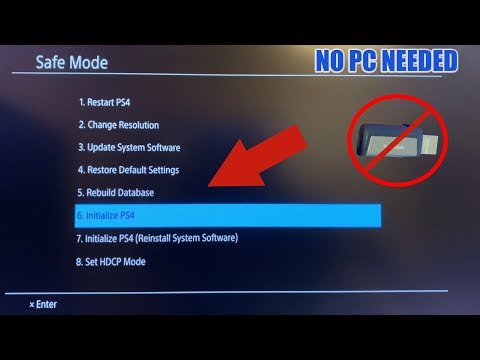
So, you’re looking to get files onto your PlayStation 4 without the hassle of a USB drive? Good choice! While USB drives are convenient, they aren’t always the quickest or most efficient solution. Fortunately, there are a few methods you can employ to transfer data to your PS4 wirelessly. The best approach depends on the type of data you’re transferring and what you want to do with it.
The most straightforward method for most users is to leverage PlayStation Network’s cloud storage and the Content Manager Assistant (CMA). You can also utilize the data transfer feature if you are trying to move content from one PS4 to another. Let’s dive into the most common methods.
Method 1: PlayStation Network Cloud Storage
This is primarily useful for game saves. If you’re a PlayStation Plus subscriber, you automatically have access to cloud storage.
- Upload Saves to the Cloud: On your original PS4, go to Settings > Application Saved Data Management > Saved Data in System Storage.
- Select Upload to Online Storage: Choose this option.
- Select Games and Upload: Choose the games whose saves you want to upload and then initiate the upload process.
- Download Saves on the New PS4: On your target PS4, navigate to Settings > Application Saved Data Management > Saved Data in Online Storage.
- Download to System Storage: Select this option and choose the saves you want to download.
Method 2: Content Manager Assistant (CMA)
This method is a bit more involved but can be used for backing up your PS Vita and transferring certain types of files (like music and images) to it. The CMA is not directly used to get files onto the PS4 but it does offer another avenue for network connectivity.
- Download and Install CMA: Download the Content Manager Assistant for PlayStation from the official PlayStation website and install it on your computer.
- Configure CMA: Run the CMA software. In the settings, enable network connection and specify a folder on your computer for storing content.
- Connect your PS Vita to the Computer: Connect your PS Vita to your computer using a USB cable, or over WiFi if configured.
- Initiate Content Transfer: On your PS Vita, select Content Manager and choose to copy content from PC to PS Vita, or vice versa. You’ll be able to transfer things like Photos, Music and Videos.
Method 3: Data Transfer from Another PS4
If you have an old PS4, you can directly transfer data to your new one over your local network.
- Connect Both PS4s to the Same Network: Ensure both consoles are connected to the same local network.
- Prepare the Target PS4: On the new PS4, go to Settings > System > Transfer Data from Another PS4.
- Follow On-Screen Instructions: The PS4 will guide you through the process, including identifying the source PS4 and selecting the data to transfer.
- Important Considerations: This process can take a while, depending on the amount of data being transferred. Ensure both consoles remain powered on and connected to the network throughout the process.
Method 4: Media Server
This method allows you to stream media files (videos, music, and photos) from your computer to your PS4. You’ll need a media server application on your computer.
- Install a Media Server: Popular options include Plex, Universal Media Server, and Serviio. Install your chosen media server on your computer.
- Configure the Media Server: Point the media server to the folders containing the media files you want to stream.
- Enable DLNA on PS4: On your PS4, open the Media Player app. Your media server should appear as a DLNA device.
- Browse and Play Media: Browse the media server’s folders and play your media files.
Method 5: Using Cloud Services
Cloud services like Google Drive or Dropbox can facilitate file sharing between your PC and your PS4, indirectly.
- Upload files to cloud service: From your PC upload the files to Google Drive or Dropbox.
- Download files on an intermediary device: Since PS4 does not offer direct integration with these services, download the files on your phone, a tablet, or even the PS Vita, from the cloud service.
- Use another method to get the files to the PS4: Use method 2 from this article, or put the files on a USB, to then transfer to your PS4.
Method 6: Sharing via a Website
You can host the files you want to transfer to your PS4 on a website. However, given the limited web browsing capabilities of the PS4, this method is usually best for images.
- Upload File to Website: You will need to upload your file (preferably an image) to a website with public access. This could be your own website or a free image-hosting service.
- Access Website on PS4: Use the PS4’s web browser to navigate to the page where the file is hosted.
- Download the File: If the PS4 browser can handle the file type, you can attempt to download it directly. This often works for images, but it’s less reliable for other file types.
Important Considerations
- File Type Compatibility: The PS4 has strict limitations on the file types it supports for direct playback. Be sure the files you are trying to transfer are in a supported format.
- Network Speed: Wireless transfers are reliant on network speed. Ensure you have a stable and reasonably fast Wi-Fi connection for the best results.
- PlayStation Plus: Some methods, particularly cloud saves, require a PlayStation Plus subscription.
- Security: When transferring data over your network, be aware of the security implications. Ensure your network is password-protected.
Frequently Asked Questions (FAQs)
Here are 15 frequently asked questions about transferring files to your PS4 without a USB drive:
-
Can I transfer game files directly from my PC to my PS4 without a USB? No, you cannot directly transfer game files in the traditional sense. You can only transfer game saves via the cloud. Full game transfers are possible using the data transfer function from one PS4 to another.
-
Does the PS4 support AirPlay or Miracast for screen mirroring from my phone? No, the PS4 does not natively support AirPlay or Miracast. These are Apple and Android technologies, respectively, designed to mirror content from your mobile device to your TV.
-
What file types are compatible with the PS4 Media Player? The PS4 Media Player supports a limited range of file types, including:
- Video: MKV, AVI, MP4, MPEG-2 TS
- Audio: MP3, AAC
- Images: JPEG, BMP, PNG
-
Can I use Bluetooth to transfer files to my PS4? No, the PS4’s Bluetooth functionality is primarily designed for connecting peripherals like controllers and headsets. It does not support file transfer.
-
How do I back up my PS4 game saves without a USB drive? The easiest way is to use PlayStation Plus cloud storage. Go to Settings > Application Saved Data Management and upload your saves.
-
Is it possible to install emulators or homebrew software on the PS4 via wireless transfer? No, installing emulators or homebrew software on the PS4 is not officially supported and is generally not possible through wireless methods due to the PS4’s security measures.
-
Can I use my phone as a USB storage device for my PS4? You can certainly use an Android phone for this, if it supports USB mass storage mode and is seen as a USB storage device when plugged in via USB.
-
What if my PS4 doesn’t recognize my media server? Ensure that your PS4 and your computer are on the same network. Check your media server’s settings to make sure it’s sharing media correctly and that the PS4 is allowed to access it.
-
Can I stream movies from Netflix, Hulu, or other streaming services to my PS4? Yes, you can stream movies and TV shows from popular streaming services like Netflix, Hulu, Disney+, and others by downloading their respective apps from the PlayStation Store.
-
Is it possible to transfer files from my PS Vita to my PS4 wirelessly? The Vita’s Content Manager Assistant (CMA) can be used to transfer photos, music, and videos to and from the PS Vita and a computer via WiFi.
-
Can I download save files from the internet directly to my PS4 without USB? Generally no. Sony does not allow save files to be downloaded from the internet.
-
What SuperSpeed USB connections are supported on PS4 consoles? The following SuperSpeed USB connections are supported on PS4 consoles:
- SuperSpeed USB 5 Gbps (USB 3.0/USB 3.1 Gen1/USB 3.2 Gen1)
- SuperSpeed USB 10 Gbps (USB 3.1 Gen2/USB 3.2 Gen2/USB 3.2 Gen1x2)
- SuperSpeed USB 20 Gbps (USB 3.2 Gen2x2)
-
Why does the PS4 have limited file type support in its media player? This limitation is primarily due to licensing restrictions and the desire for a consistent user experience. Supporting a wider range of codecs can be complex and require additional licensing fees.
-
What do I do if I get a “cannot connect to the server” error when trying to upload saves to the cloud? Check your internet connection, ensure that PlayStation Network is online (check the PSN status page), and try restarting your PS4.
-
How can I transfer files using WIFI? Ensure that network discovery and file and printer sharing are enabled, and that password protected sharing is turned off. These settings can be found under Sharing options in the Network and internet settings.
Conclusion
While transferring files to your PS4 without a USB drive can be a bit more complex, it’s certainly possible. By leveraging PlayStation Network’s cloud storage, media servers, or data transfer features, you can achieve your goals without the need for physical storage. Understanding the limitations and capabilities of each method will help you choose the best approach for your specific needs.
If you’re interested in learning more about the intersection of games and education, be sure to check out the Games Learning Society at GamesLearningSociety.org or https://www.gameslearningsociety.org/. They offer valuable insights into how games can be used as powerful learning tools.