How do nukes work in Civ 5?
Fast answer first. Then use the tabs or video for more detail.
- Watch the video explanation below for a faster overview.
- Game mechanics may change with updates or patches.
- Use this block to get the short answer without scrolling the whole page.
- Read the FAQ section if the article has one.
- Use the table of contents to jump straight to the detailed section you need.
- Watch the video first, then skim the article for specifics.
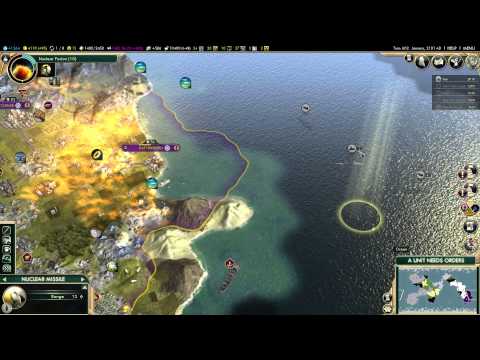
Nukes in Civilization 5 (Civ 5) are a type of nuclear weapon that can be used to deal massive damage to enemy units and cities, with the Atomic Bomb being the first weapon of mass destruction in the game, working similarly to an air unit and having a range of 10 tiles. The nuclear missiles, on the other hand, are more powerful and can completely destroy cities, with a blast radius of 2 tiles and the ability to raze non-capital cities, but require uranium to produce and have a range of 12 tiles.
Understanding Nukes in Civ 5
To understand how nukes work in Civ 5, it’s essential to know the different types of nuclear weapons available, including Atomic Bombs and Nuclear Missiles, and how they can be used to gain a strategic advantage in the game.
FAQs about Nukes in Civ 5
Here are some frequently asked questions about nukes in Civ 5:
- How many nukes does it take to destroy a city in Civ 5?: Two nuclear missiles are needed to destroy a city, while atomic bombs cannot destroy cities.
- How much damage does a nuke do in Civ 5?: A nuclear missile deals massive damage to units and cities, with a blast radius of 2 tiles, while an atomic bomb destroys units on the target tile and deals 3-9 damage to units within the blast radius.
- How do you use nukes in Civilization?: Nukes can be launched from bomber aircraft, nuclear submarines, or missile silos, and can be used to attack any tile within range.
- What is the difference between nuclear missile and bomb in Civ 5?: Nuclear missiles are more powerful and can destroy cities, while atomic bombs cannot.
- How long does nuclear fallout last in Civ 5?: The nuclear fallout from a nuclear missile or atomic bomb can last for many turns, damaging units and preventing production in affected tiles.
- What weapon is more powerful than a nuke?: A hydrogen bomb has the potential to be 1,000 times more powerful than an atomic bomb.
- How do you build a nuke in Civ 5?: To build a nuclear missile or atomic bomb, you need to research the Manhattan Project and have uranium available.
- Can the AI in Civ 6 use nukes?: Yes, the AI in Civ 6 can use nukes if they have the capability to produce them.
- Is it illegal to use nukes?: In the real world, the use of nuclear weapons is prohibited by international law, but in Civ 5, players can use nukes as a strategic option.
- Can atomic bombs destroy cities in Civ 5?: No, atomic bombs cannot destroy cities, but nuclear missiles can.
- Why can’t I build nukes in Civ 5?: You may not have researched the Manhattan Project or have uranium available to build nukes.
- What happens when you nuke a city in Civ?: Nuking a city can deal massive damage to the city and its units, and can also cause nuclear fallout that lasts for many turns.
- Can you intercept nukes in Civ 5?: No, nuclear missiles and atomic bombs cannot be intercepted in Civ 5.
- What is the downside of nukes in Civ 6?: The use of nukes in Civ 6 can cause nuclear fallout that damages units and prevents production in affected tiles.
- How do you get uranium in Civ 5?: Uranium can be found in certain areas of the map, and can also be produced by building nuclear power plants.
Conclusion
In conclusion, nukes are a powerful strategic option in Civ 5, allowing players to deal massive damage to enemy units and cities, but also come with significant risks and consequences, including nuclear fallout and the potential for retaliation. By understanding how nukes work in Civ 5, players can use them effectively to gain an advantage in the game.