How Do Video Games Affect Students?
Fast answer first. Then use the tabs or video for more detail.
- Watch the video explanation below for a faster overview.
- Game mechanics may change with updates or patches.
- Use this block to get the short answer without scrolling the whole page.
- Read the FAQ section if the article has one.
- Use the table of contents to jump straight to the detailed section you need.
- Watch the video first, then skim the article for specifics.
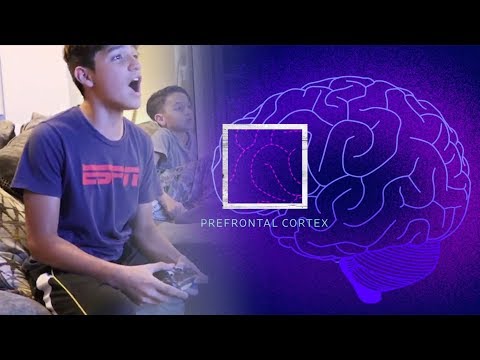
Video games have become a ubiquitous part of modern life, particularly among students. The effects of video games on students are complex and multifaceted, presenting both potential benefits and risks. Broadly, excessive gaming can negatively impact academic performance, social skills, and physical health. Studies have shown correlations between video game addiction and lower grades, destructive behaviors, and conflicts with parents and teachers. The constant stimulation and reward cycles within games can lead to dopamine addiction, potentially reducing motivation for schoolwork and other essential activities. Simultaneously, some research suggests that certain video games can enhance hand-eye coordination, problem-solving skills, and cognitive processing abilities. The key lies in moderation and the selection of appropriate content. Balancing gaming with other activities is crucial for ensuring a student’s well-being and overall development.
The Dual Nature of Video Games
Video games aren’t inherently good or bad; their impact hinges on how they are consumed and integrated into a student’s life. It’s essential to acknowledge that the landscape of video games is vast and varied. From educational titles designed to reinforce learning to immersive role-playing games that foster creativity and strategic thinking, the possibilities are endless. However, the same technology that offers these benefits can also contribute to negative outcomes if not managed properly.
Academic Performance and Cognitive Skills
- Negative Impacts: One of the most significant concerns is the potential for video games to negatively affect academic performance. Excessive gaming can lead to distraction from schoolwork, poor time management, and decreased motivation. Studies have repeatedly linked video game addiction to lower grades and increased instances of destructive behaviors. Some students even admit that their gaming habits directly impact their school performance.
- Positive Impacts: On the other hand, certain video games can improve cognitive skills. These games can enhance hand-eye coordination, problem-solving skills, and the mind’s ability to process information. Strategy games, in particular, can foster critical thinking and planning skills.
- Balance is Key: Ultimately, the crucial factor is balance. Students who allocate excessive time to gaming, neglecting their studies, are more likely to experience negative academic outcomes. However, when gaming is enjoyed in moderation, it can potentially contribute to cognitive development.
Social and Emotional Well-being
- Social Disconnection: One of the frequently cited concerns is social disconnection. Spending excessive time in virtual worlds can lead to reduced face-to-face interactions, potentially impacting the development of social skills. This can be especially detrimental during adolescence, a critical period for forming social bonds and learning to navigate interpersonal relationships.
- Aggressive Thoughts and Behaviors: Exposure to violent video games has also been linked to aggressive thoughts and behaviors. While research on this topic is ongoing and complex, some studies suggest that playing violent games can increase arousal, anxiety, and emotional reactivity, while simultaneously reducing activity in the frontal lobes associated with emotion regulation and executive control.
- Emotional Suppression: Some studies suggest a link between excessive gaming and alexithymia, which is difficulty identifying and expressing one’s emotions. Suppressing emotions can lead to poor mental health.
- Potential for Connection: While the risks of social isolation are real, some games provide a platform for connecting with friends and peers. Multiplayer games can foster teamwork, communication, and cooperation. It’s essential to consider the social context of gaming and whether it complements or detracts from real-life social interactions.
Physical Health and Well-being
- Sedentary Lifestyle: Spending prolonged periods sitting and playing video games contributes to a sedentary lifestyle, increasing the risk of obesity, cardiovascular problems, and other health issues. Lack of physical activity can also negatively impact mood and energy levels.
- Repetitive Stress Injuries: Prolonged gaming can also lead to repetitive stress injuries such as carpal tunnel syndrome and tendonitis. These conditions can cause pain and discomfort, impacting a student’s ability to participate in other activities.
- Eye Strain and Sleep Disruption: Staring at screens for extended periods can cause eye strain, headaches, and blurred vision. Additionally, the blue light emitted from screens can disrupt sleep patterns, leading to fatigue and impaired cognitive function.
- Incorporating Exercise: It’s essential for students to balance gaming with regular physical activity. Engaging in sports, outdoor activities, or even simple exercises can mitigate the negative health effects of a sedentary lifestyle.
Setting Healthy Boundaries
- Time Management: One of the most crucial steps is to establish clear time limits for video game play. The American Academy of Pediatrics recommends no more than 60 minutes on school days and 2 hours on non-school days for children over the age of 6.
- Content Selection: Parents should also carefully monitor the content their children are consuming. Avoid games with graphic violence, sexual content, or themes that are inappropriate for their age.
- Open Communication: It’s important to have open and honest conversations with children about the potential risks and benefits of video games. Encourage them to share their experiences and concerns.
- Promote Alternative Activities: Encourage children to explore other hobbies and interests such as sports, reading, music, or art. This can help them develop a well-rounded lifestyle and reduce their reliance on video games for entertainment.
- Privacy settings and safety: Privacy settings and safety measures for certain games, such as Roblox, should be put in place. Teach children how to be safe online.
Navigating the Gaming Landscape
The world of video games is constantly evolving, with new titles and platforms emerging all the time. Parents and educators need to stay informed about the latest trends and developments to effectively guide students in navigating this complex landscape. For more information and resources, visit Games Learning Society at GamesLearningSociety.org. This organization provides valuable insights into the intersection of games and learning, helping educators and parents harness the power of games for positive outcomes.
Frequently Asked Questions (FAQs)
1. How does video game addiction affect students’ academic performance?
Video game addiction can significantly impair academic performance by reducing motivation for schoolwork, leading to poor time management, and causing distraction during classes and study sessions. It can also result in lower grades and increased conflict with teachers and parents.
2. Can video games really improve cognitive skills?
Yes, some studies have shown that certain types of video games can enhance cognitive skills such as hand-eye coordination, problem-solving, and spatial reasoning. Games that require strategic thinking and quick decision-making can be particularly beneficial.
3. What are the signs of video game addiction in students?
Signs of video game addiction include preoccupation with gaming, neglecting responsibilities, withdrawal symptoms (irritability, anxiety) when not gaming, lying about gaming habits, and continued gaming despite negative consequences.
4. Is it illegal for kids to play mature-rated (M) games?
While the ESRB (Entertainment Software Rating Board) assigns ratings to video games, these ratings are not legally binding on consumers or retailers in the US. Retailers may choose not to sell M-rated games to underage customers, but it is their choice. However, it is illegal to supply a PEGI 12, 16 or 18 rated game to a person under those ages.
5. How much screen time is too much for a 12-year-old?
The American Academy of Pediatrics recommends no more than 60 minutes of screen time on school days and 2 hours on non-school days for children over the age of 6.
6. What are some alternative activities to video games for students?
Alternative activities include sports, outdoor activities, reading, playing musical instruments, art, spending time with family and friends, and pursuing hobbies and interests.
7. Can violent video games cause aggression in students?
Some research suggests that exposure to violent video games can increase aggressive thoughts and behaviors, but the link is complex and not fully understood. Factors such as individual predispositions and environmental influences also play a role.
8. How can parents monitor their children’s video game habits?
Parents can set time limits, monitor the games their children play, have open conversations about gaming content, use parental control features, and encourage a balance between gaming and other activities.
9. Is Roblox safe for kids?
Roblox allows players to create their own experiences, which means that there is potentially inappropriate adult content, cyberbullies, scammers, hackers, and online predators. However, help your kids protect themselves by enabling privacy settings and teaching them how to be safe online.
10. What are the benefits of playing video games in moderation?
Playing video games in moderation can improve cognitive skills, enhance problem-solving abilities, foster teamwork and communication, provide entertainment, and relieve stress.
11. How can educators use video games in the classroom?
Educators can use educational video games to reinforce learning concepts, engage students in interactive lessons, and foster critical thinking and problem-solving skills.
12. Are there any video games that are specifically designed to improve academic skills?
Yes, there are many educational video games designed to improve academic skills in areas such as math, reading, science, and history. These games often present learning content in an engaging and interactive format.
13. What is dopamine addiction, and how is it related to video games?
Dopamine addiction occurs when the reward center in the brain releases dopamine in response to a pleasurable experience or hyperarousal. If a person experiences hyperarousal while playing video games, the brain associates the activity with dopamine. The person develops a strong drive to seek out that same pleasure again and again.
14. How can students balance gaming with schoolwork and other responsibilities?
Students can create a schedule that allocates time for schoolwork, gaming, and other activities. It’s important to prioritize schoolwork and responsibilities and to set limits on gaming time.
15. Where can I find more information about the effects of video games on students?
You can find more information at the Games Learning Society website, which provides valuable resources and insights into the intersection of games and learning. Please visit https://www.gameslearningsociety.org/ for more information.