How to Join a Pro Call of Duty Team: A Comprehensive Guide
Fast answer first. Then use the tabs or video for more detail.
- Watch the video explanation below for a faster overview.
- Game mechanics may change with updates or patches.
- Use this block to get the short answer without scrolling the whole page.
- Read the FAQ section if the article has one.
- Use the table of contents to jump straight to the detailed section you need.
- Watch the video first, then skim the article for specifics.
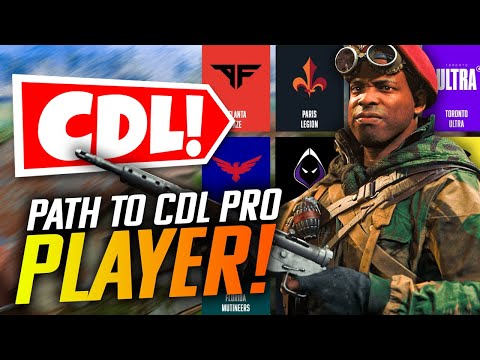
So, you dream of playing Call of Duty (COD) professionally? You envision yourself clutching rounds under immense pressure, competing on the big stage, and earning a living doing what you love? The path to becoming a pro COD player is challenging, demanding immense dedication, skill, and a bit of luck. There’s no single, guaranteed route, but understanding the key elements involved dramatically increases your chances.
The direct answer is: you join a pro COD team by demonstrating exceptional skill, consistently performing at a high level in competitive environments, networking effectively within the COD community, building a strong online presence, and seizing opportunities like tryouts and open tournaments. It’s a multifaceted process that requires constant improvement and relentless effort.
Developing the Skills and Mindset
The foundation of any successful pro player is exceptional skill. This isn’t just about being good; it’s about mastering the game’s mechanics, understanding strategies, and possessing the reflexes and decision-making skills required to compete at the highest level.
Mastering the Fundamentals
Before even considering competitive play, you need to master the fundamental aspects of COD. This includes:
- Aiming and Accuracy: Practice different aiming techniques (e.g., centering, tracking, flicking) and find a sensitivity setting that works for you. Experiment with different weapon attachments to optimize your performance.
- Movement and Positioning: Learn how to move efficiently around the map, utilizing cover effectively and anticipating enemy movements. Master techniques like slide canceling and jump shotting.
- Map Knowledge: Understand the layouts of all competitive maps, including spawn points, power positions, and common routes.
- Game Sense: Develop an intuitive understanding of the game, anticipating enemy strategies and making informed decisions based on the situation.
Playing Competitively
Once you’ve mastered the fundamentals, it’s time to put your skills to the test in competitive environments. This is where you’ll learn to adapt to different playstyles, work as a team, and handle pressure.
- Ranked Play: Ranked play is an excellent starting point for testing your individual skill against other competitive players. Aim for the highest rank possible and analyze your gameplay to identify areas for improvement.
- GameBattles and CMG: These platforms offer opportunities to compete in structured tournaments and ladders. This experience is invaluable for developing your competitive skills and gaining exposure.
- Scrimmages: Practice matches against other teams are crucial for developing teamwork and refining strategies. Network with other players to find scrim partners.
Maintaining a Pro Mindset
Being a professional gamer is more than just playing video games. It requires a dedicated mindset and a commitment to continuous improvement.
- Discipline and Dedication: Pro players train for hours every day, often sacrificing other aspects of their lives. You need to be prepared to make that commitment.
- Mental Toughness: Competitive gaming can be stressful and frustrating. You need to be able to handle losses, learn from your mistakes, and stay positive under pressure.
- Teamwork and Communication: COD is a team game, and effective communication is essential for success. Learn to communicate clearly and concisely with your teammates.
Building Your Online Presence and Networking
In today’s digital age, your online presence is crucial for attracting attention from pro teams. It’s how you showcase your skills and connect with other players and organizations.
Streaming and Content Creation
- Twitch and YouTube: Streaming your gameplay on Twitch and creating content on YouTube are excellent ways to build your audience and showcase your skills. Consistently upload high-quality content that highlights your best plays, strategies, and personality.
- Social Media: Use social media platforms like Twitter and Instagram to connect with other players, share your content, and build your personal brand. Engage with the community and participate in relevant conversations.
Networking Within the Community
- Attend Events: Attend COD events, both online and offline, to meet other players, team owners, and industry professionals.
- Join Communities: Participate in online forums, Discord servers, and other communities related to COD. Engage in discussions, offer helpful advice, and build relationships with other players.
- Reach Out: Don’t be afraid to reach out to pro players and team owners. Introduce yourself, ask for advice, and express your interest in joining their team. Be respectful and professional in your interactions.
Seizing Opportunities and Showing Your Worth
Even with the skills and the network, you need to actively seek out opportunities to prove yourself.
Open Tournaments and Tryouts
- Participate in Open Tournaments: Many professional organizations scout talent at open tournaments. These are great opportunities to showcase your skills against other aspiring pro players.
- Apply for Tryouts: Keep an eye out for tryouts with professional teams. Prepare a highlight reel showcasing your best plays and be ready to demonstrate your skills in a live setting.
- Substitutes and Stand-Ins: Offering to be a substitute or stand-in for a team is a good way to gain experience and impress potential employers.
Maintaining a Positive Reputation
- Be a Good Sport: Treat your opponents with respect, win or lose. Avoid trash talk and unsportsmanlike behavior.
- Avoid Controversy: Stay out of drama and avoid any behavior that could damage your reputation.
- Be Professional: Treat your gaming career like a business. Be reliable, responsible, and professional in all your interactions.
Joining a pro COD team is a long and arduous journey. However, by developing your skills, building your online presence, networking effectively, and seizing opportunities, you can increase your chances of achieving your dream. Remember to stay dedicated, patient, and persistent, and never give up on your goals.
Frequently Asked Questions (FAQs)
Here are some frequently asked questions about joining a pro COD team:
1. What is the most important skill to have to become a pro COD player?
Consistency in performance is arguably the most important skill. Many players have moments of brilliance, but the ability to consistently perform at a high level under pressure is what separates pro players from amateurs. This includes excellent aiming, map awareness, game sense, and communication.
2. How much practice is required to become a pro COD player?
There’s no magic number, but most pro players practice at least 6-8 hours per day. This includes individual practice, team scrimmages, reviewing gameplay, and studying strategies.
3. What age is too old to start pursuing a pro COD career?
While younger players often have an advantage in terms of reaction time, it’s never really “too late” to start. However, the prime age range is typically 16-25. Players older than that may face challenges competing against younger, more experienced players, but dedication and exceptional skill can overcome age barriers.
4. What kind of equipment do I need to play COD professionally?
Essential equipment includes a high-refresh-rate monitor (144Hz or higher), a gaming PC or console, a comfortable gaming headset with a microphone, a reliable gaming mouse and keyboard (if on PC), and a stable internet connection.
5. How can I improve my communication skills as a COD player?
Practice clear and concise communication with your teammates during scrimmages and matches. Focus on providing relevant information, using clear terminology, and avoiding unnecessary chatter. Review recordings of your gameplay to identify areas for improvement.
6. Is it necessary to live with my team to be a pro player?
It depends on the team and organization. Some teams require players to live together in a gaming house, while others allow players to live remotely. Living together can improve teamwork and communication, but it’s not always essential.
7. How do I get noticed by professional COD teams?
Consistent high performance in competitive environments, a strong online presence (streaming, content creation, social media), and networking within the COD community are all crucial for getting noticed.
8. What is the difference between a professional COD player and a casual player?
Professional COD players possess a higher level of skill, dedication, and mental fortitude than casual players. They train rigorously, study strategies, and compete in high-stakes tournaments for a living. Casual players, on the other hand, play for fun and enjoyment.
9. Do I need to have a specific KD (Kill/Death Ratio) to be considered a pro player?
While KD is a factor, it’s not the only metric that matters. Pro teams also consider your game sense, teamwork, communication skills, and ability to perform under pressure. A high KD is helpful, but it’s not a guarantee of success.
10. How do I handle pressure situations in competitive COD?
Practice under pressure by simulating tournament scenarios during scrimmages. Develop mental strategies like visualization and positive self-talk to stay calm and focused during critical moments. Remember to breathe deeply and trust your instincts.
11. What are some common mistakes that aspiring pro COD players make?
Neglecting fundamental skills, focusing solely on individual performance instead of teamwork, failing to build an online presence, and giving up too easily are common mistakes.
12. How important is it to have a coach or mentor?
Having a coach or mentor can be extremely beneficial. They can provide valuable feedback, help you identify areas for improvement, and guide you through the competitive landscape.
13. How do I stay motivated during the long and challenging journey to becoming a pro COD player?
Set realistic goals, celebrate small victories, focus on the learning process, surround yourself with supportive people, and remember why you started playing in the first place.
14. What are some alternative career paths in the COD industry if I don’t become a pro player?
Alternative career paths include COD casting, coaching, content creation (YouTube, Twitch), team management, esports journalism, and game development.
15. What’s the most important advice you can give to aspiring pro COD players?
Be patient, persistent, and dedicated. Focus on continuous improvement, build strong relationships within the COD community, and never give up on your dreams. The road is long and challenging, but with hard work and determination, you can achieve your goals.