Avoiding Soft Bans in Pokémon Go: A Trainer’s Guide to Playing Smart
Fast answer first. Then use the tabs or video for more detail.
- Watch the video explanation below for a faster overview.
- Game mechanics may change with updates or patches.
- Use this block to get the short answer without scrolling the whole page.
- Read the FAQ section if the article has one.
- Use the table of contents to jump straight to the detailed section you need.
- Watch the video first, then skim the article for specifics.
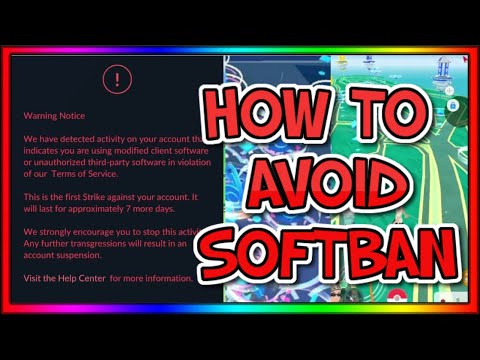
So, you want to catch ’em all without catching a soft ban? You’ve come to the right place! In a nutshell, to avoid triggering a soft ban in Pokémon Go, the name of the game is consistency and avoiding actions that flag your account as potentially using GPS spoofing or other unauthorized methods. This means adhering to the cooldown rules tied to distance traveled, and refraining from actions like catching Pokémon, spinning PokéStops, or engaging in gym battles shortly after teleporting a significant distance within the game. Let’s dive deeper, shall we?
Understanding the Soft Ban System
Niantic, the developer of Pokémon Go, implemented the soft ban system to deter cheating and maintain fair gameplay. It’s a temporary restriction placed on your account when the game suspects you’re violating the Terms of Service. A soft ban usually prevents you from interacting with the game world, rendering you unable to catch Pokémon, spin PokéStops, or participate in gym battles.
Key Triggers for Soft Bans
Several actions can trigger a soft ban, but they generally fall under a few main categories:
- Rapid Geographical Changes: This is the most common cause. If you suddenly jump hundreds or thousands of miles within the game, especially shortly after performing in-game actions, you’ll likely trigger a soft ban. The game assumes you couldn’t have physically traveled that distance in that time.
- Exceeding Action Limits: Repeatedly catching an excessive number of Pokémon or spinning too many PokéStops in a short period can also raise red flags.
- GPS Spoofing: Using apps or methods to manipulate your GPS location is a direct violation of the Terms of Service and will almost certainly lead to a soft ban (and potentially a permanent ban).
- Account Sharing: Allowing multiple people in geographically disparate locations to access the same account can trigger the system.
The Cooldown Rule: Your Best Friend
The cooldown rule is the single most important factor in avoiding soft bans. It dictates a waiting period between in-game actions based on the distance you virtually travel. The greater the distance, the longer you need to wait before interacting with the game again.
How Cooldown Works
- Distance Matters: The cooldown duration ranges from a few minutes to a maximum of two hours. Shorter distances require shorter cooldowns, while long-distance “teleports” necessitate the full two-hour wait.
- Timing is Everything: The cooldown timer starts after your last in-game action (catching a Pokémon, spinning a PokéStop, battling in a gym, feeding berries, etc.). Teleporting doesn’t trigger the cooldown itself.
- Err on the Side of Caution: When in doubt, always wait longer than you think you need to. It’s better to be safe than sorry!
Practical Tips for Applying the Cooldown Rule
- Plan Your Route: Before you teleport to a new location, consider what you want to do there. Calculate the potential distance and cooldown time in advance.
- Track Your Last Action: Keep a mental note of when you last interacted with the game. Setting a timer on your phone can be helpful.
- Resist the Urge: After teleporting, resist the temptation to immediately start catching Pokémon or spinning PokéStops. Be patient and wait out the cooldown.
- Conservative Estimates: If you’re unsure about the exact distance, overestimate the cooldown time.
- Avoid Rapid Jumps: Don’t bounce around the map too frequently. Stick to a planned route with sufficient cooldowns in between.
Other Strategies to Minimize Risk
While the cooldown rule is paramount, here are some other strategies to help you stay under the radar:
- Play Legitimately (Mostly): The most foolproof method is to play Pokémon Go as intended – by physically moving around. However, if you are spoofing, the above rules must be followed.
- Avoid Automated Devices: Tools like the Go-tcha can automate spinning PokéStops and catching Pokémon. While convenient, they can trigger soft bans if used excessively or in conjunction with other suspicious activity.
- Monitor Your Activity: Pay attention to how frequently you’re interacting with the game. Take breaks and avoid extended periods of intense gameplay.
- Use a Reliable Spoofer: If you do choose to spoof, select a reputable app with a real map-like interface.
- Be Aware of Catch Limits: There are daily and weekly limits on the number of Pokémon you can catch and PokéStops you can spin. Exceeding these limits can trigger a soft ban.
Dealing with a Soft Ban
If you find yourself soft banned, don’t panic! Usually, a soft ban only lasts for a few minutes to a couple of hours. The best course of action is to simply wait it out. Avoid trying to catch Pokémon or spin PokéStops during this time, as it will only prolong the soft ban.
Frequently Asked Questions (FAQs)
Here are some common questions about soft bans in Pokémon Go:
1. What actions trigger a cooldown?
Actions that trigger a cooldown include catching wild Pokémon, putting Pokémon in gyms, feeding berries to wild Pokémon, catching Shadow Pokémon, and spinning PokéStops. Teleporting itself does not trigger a cooldown.
2. How long does a soft ban last?
Soft bans typically last from a few minutes to a maximum of two hours. The duration depends on the severity of the suspected violation.
3. Can I get a permanent ban for soft banning too often?
While multiple soft bans don’t directly lead to a permanent ban, they indicate suspicious activity. Continuous soft bans could eventually escalate to a more serious strike, such as a temporary suspension or permanent ban.
4. How do I appeal a ban?
If you believe you’ve been unfairly banned, you can appeal through the Niantic website by selecting “Ban Appeal” in their support form.
5. Does teleporting itself trigger a cooldown?
No, teleporting itself doesn’t trigger a cooldown. The cooldown is triggered by performing actions after teleporting, and its duration depends on the distance traveled.
6. Can Niantic detect GPS spoofing?
Yes, Niantic has sophisticated methods to detect GPS spoofing, including analyzing movement patterns, IP addresses, and other data points.
7. Is it safe to use automated devices like the Go-tcha?
While Go-tcha devices can be convenient, they increase your risk of a soft ban if used excessively or in conjunction with other suspicious activity.
8. What happens if I ignore the cooldown?
If you ignore the cooldown and try to perform actions too soon after teleporting, you’ll likely be soft banned. You’ll encounter errors when spinning PokéStops and Pokémon will flee when you try to catch them.
9. Does clicking on a Pokémon trigger a cooldown?
No, simply clicking on a Pokémon doesn’t trigger the cooldown. The cooldown is triggered when you actually attempt to catch it.
10. Can I skip the cooldown?
No, you cannot “skip” the cooldown. Trying to perform actions before the cooldown expires will result in a soft ban.
11. Does Pokemon Go give warnings before banning?
Yes, the first strike usually involves a warning message within the app stating that cheating has been detected on your account.
12. How long does a shadowban last?
Shadowbans are very long. The duration of a shadowban can be anywhere from 10 days to 15 days.
13. What’s the best way to avoid a soft ban when spoofing?
The best way to avoid a soft ban when spoofing is to meticulously follow the cooldown rule. Wait the appropriate amount of time after teleporting before performing any in-game actions.
14. Can Niantic detect multiple accounts on the same device?
It’s difficult for Niantic to definitively detect multiple accounts unless they receive reports from other players or observe suspicious activity patterns.
15. Are all spoofing apps equally risky?
No, some spoofing apps are more detectable than others. It’s best to use a reputable app with a map-like interface that is difficult for Niantic to identify.
The Importance of Game Studies and Ethical Gameplay
Understanding the mechanics and rules of Pokémon Go, including the soft ban system, is essential for a positive and ethical gaming experience. The Games Learning Society studies how games impact learning and behavior, highlighting the importance of fair play and responsible game development. You can explore more at GamesLearningSociety.org. By following the guidelines and understanding the consequences of cheating, you can enjoy Pokémon Go to the fullest while respecting the game’s integrity.