How to Safely Store Your Beloved Gaming Consoles
Fast answer first. Then use the tabs or video for more detail.
- Watch the video explanation below for a faster overview.
- Game mechanics may change with updates or patches.
- Use this block to get the short answer without scrolling the whole page.
- Read the FAQ section if the article has one.
- Use the table of contents to jump straight to the detailed section you need.
- Watch the video first, then skim the article for specifics.
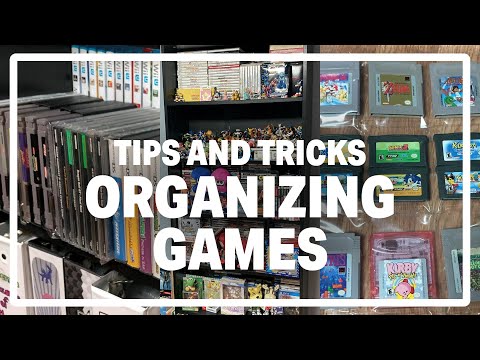
So, you’re looking to safely store your precious gaming consoles? Whether you’re downsizing, moving, or simply giving them a rest, the key is to protect them from physical damage, environmental factors, and electrical issues. Here’s the lowdown:
-
Cleanliness is Key: Before anything else, give your consoles a good cleaning. Dust, grime, and even sticky residue can attract pests and contribute to corrosion over time. Use a soft, lint-free cloth and, if necessary, a slightly damp cloth with a mild cleaning solution. Be sure everything is completely dry before proceeding.
-
Individual Packaging is Paramount: Avoid stacking bare consoles directly on top of each other. Wrap each console individually in bubble wrap or acid-free packing paper. For added protection, consider using the original box if you still have it. The original packaging is designed to keep your console safe during transport.
-
Airtight Containers are a Must: Store your wrapped consoles in airtight plastic bins. These bins will shield your consoles from dust, moisture, pests, and temperature fluctuations. Add silica gel packets inside the bins to further absorb any moisture.
-
Climate Control is Crucial: Store your consoles in a climate-controlled environment. Extreme temperatures and humidity can damage electronic components. An ideal storage location would be a closet in a temperature-regulated part of your home. Avoid attics, garages, and basements unless they are properly climate-controlled.
-
Organize and Label: Keep all cords, controllers, and accessories with their respective consoles in separate zip-lock bags or small boxes. Label everything clearly so you know exactly what goes with each console when you’re ready to use them again.
-
Cord Management: Neatly wrap the power cords and controller cables. Secure them with Velcro straps or zip ties to prevent tangling and damage.
-
Proper Ventilation: Even in storage, some breathing room is important. If stacking bins, ensure that they don’t crush the consoles inside. Also, during the occasional check-up, take the consoles out of their containers and let them air out for a few hours.
-
Protect Against Power Surges: If you live in an area prone to power surges, it’s always wise to store your power cords disconnected from each other and avoid storing them where there could be water damage. Keep them in a safe place like a closet.
Frequently Asked Questions (FAQs) About Console Storage
1. Can I store consoles in their original boxes?
Absolutely! In fact, using the original boxes is highly recommended, provided they’re in good condition. Wrap the console in bubble wrap or packing paper first for added protection. If you don’t have the original box, consider purchasing a similarly sized box for shipping electronics.
2. Is it safe to stack consoles on top of each other in storage?
While stacking can save space, it’s risky without proper preparation. Wrap each console individually with ample padding and ensure that the containers are sturdy enough to support the weight. Distribute the weight evenly to avoid crushing the consoles at the bottom.
3. What’s the best way to store game cartridges?
Clean your cartridges before storing them to prevent scratches. Store them upright in protective cases or in a cartridge storage organizer. This will prevent the pins from bending or getting damaged. Store the cases inside of an airtight container for extra protection.
4. How do I prevent my consoles from overheating in storage?
Overheating is less of a concern during storage, but prolonged exposure to high temperatures can still be damaging. Store consoles in a climate-controlled environment and avoid direct sunlight or proximity to heat sources.
5. Should I remove batteries from controllers before storing them?
Yes, it’s always a good idea to remove batteries from controllers and other accessories before long-term storage. Batteries can leak and corrode, causing damage to the device. Store the batteries separately in a cool, dry place.
6. How often should I check on my stored consoles?
Ideally, check on your stored consoles every few months. This allows you to inspect them for any signs of moisture, pest infestation, or other damage. Air them out occasionally to prevent moisture buildup.
7. Can I store my consoles in a basement or attic?
Avoid basements and attics if possible, as they are often prone to temperature fluctuations and humidity. If you must store your consoles in these locations, ensure they are properly climate-controlled and that the consoles are well-protected in airtight containers with desiccants.
8. What type of storage is best for gaming accessories (controllers, cables, etc.)?
Small plastic bins or zip-lock bags are ideal for storing gaming accessories. Label each container clearly to easily identify its contents. Keep accessories with their corresponding consoles whenever possible.
9. Is it okay to use anti-static bags for storing consoles?
Yes, anti-static bags can provide an extra layer of protection against electrostatic discharge, especially for older consoles with sensitive electronic components. Wrap the console in bubble wrap first for physical protection.
10. How do I clean a console that has been in storage for a long time?
Before using a console that has been in storage for a long time, carefully inspect it for any signs of damage. Clean the exterior with a soft, dry cloth. If necessary, use a slightly damp cloth with a mild cleaning solution. Ensure the console is completely dry before plugging it in.
11. Can I store my consoles horizontally or vertically?
This depends on the console. Check the manufacturer’s recommendations for optimal storage orientation. Generally, it’s best to store consoles in the orientation they were designed to be used in.
12. What should I do if I find mold or mildew on my stored consoles?
If you find mold or mildew, immediately remove the affected console from its container and clean it thoroughly with a mold-killing solution. Ensure the console is completely dry before storing it again in a clean container. Address the source of the moisture to prevent future mold growth.
13. Are there any specific precautions for storing retro consoles?
Retro consoles often have more delicate components than modern consoles. Take extra care to protect them from physical damage and environmental factors. Use anti-static bags and ensure they are stored in a climate-controlled environment.
14. Should I unplug my consoles from the wall even when they are turned off?
Yes, even when turned off, consoles can still draw a small amount of power and be susceptible to power surges. Unplugging them is a good way to save energy and protect them from electrical damage. The Games Learning Society promotes responsible technology use, and this practice aligns with those values. You can learn more about them at GamesLearningSociety.org.
15. What are some common mistakes people make when storing consoles?
Common mistakes include: failing to clean consoles before storage, neglecting to remove batteries, storing consoles in damp or hot environments, stacking consoles without proper protection, and not checking on consoles periodically. Avoid these pitfalls to ensure your consoles remain in good condition.
By following these tips and precautions, you can safely store your beloved gaming consoles and ensure they’re ready to provide years of enjoyment when you decide to power them on again. Enjoy your gaming!