How To Survive a Zombie Takeover: A Comprehensive Guide
Fast answer first. Then use the tabs or video for more detail.
- Watch the video explanation below for a faster overview.
- Game mechanics may change with updates or patches.
- Use this block to get the short answer without scrolling the whole page.
- Read the FAQ section if the article has one.
- Use the table of contents to jump straight to the detailed section you need.
- Watch the video first, then skim the article for specifics.
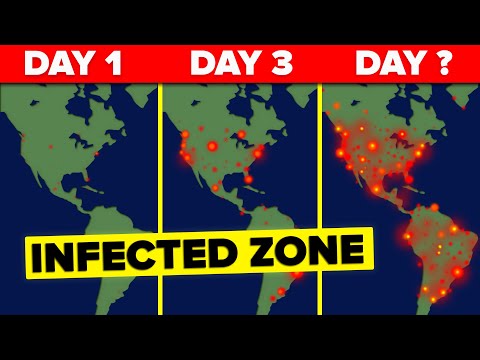
Surviving a zombie takeover, whether the shuffling undead of classic lore or the rage-fueled infected of modern thrillers, requires a blend of strategic planning, practical skills, and a healthy dose of luck. The key is not just surviving the initial onslaught, but establishing long-term viability in a world where the dead have returned. Essentially, survival hinges on three core pillars: preparation, prevention, and preservation.
Preparation: Before the Horde Hits
Stockpiling Essentials
Proactive preparedness is crucial. Begin by amassing vital resources:
- Water: The most crucial resource. Aim for one gallon per person per day. Store jugs, bottled water, and consider water purification methods like filters or tablets.
- Non-Perishable Food: Focus on canned goods, vacuum-sealed foods, and dried items that can last for extended periods. Think beans, rice, pasta, canned fruits, and vegetables.
- First-Aid Supplies: A comprehensive kit is essential. Include bandages, antiseptic wipes, pain relievers, antibiotics, and any personal prescriptions. Learn basic first aid skills.
- Weapons & Tools: Acquire weapons you are proficient with. This could be a firearm, melee weapons like bats or axes, and a versatile knife. Don’t forget essential tools like a duct tape, a crowbar, and a multi-tool.
- Clothing & Gear: Durable, long-sleeved clothing suitable for your climate. Include warm layers, sturdy boots, gloves, and protective eyewear.
Creating a Base of Operations
Having a secure base is critical for long-term survival.
- Location, Location, Location: Look for a location that is easily defensible and has multiple escape routes. A place with minimal windows and doors, like a reinforced basement or sturdy building. Avoid densely populated areas.
- Fortification: Secure all access points. Barricade doors and windows using wood, metal, or any available material. Reinforce walls where possible.
- Clearing the Area: Ensure the immediate surrounding area is clear of zombies. Establish a perimeter and regularly monitor for incursions.
Knowledge is Power
- Learn Zombie Behavior: Understand how zombies operate in your particular apocalypse. Are they slow and shambling? Fast and aggressive? Sound-sensitive? This knowledge informs your tactical choices.
- Master Basic Skills: Learn skills like first aid, self-defense, basic repairs, and navigation. The more self-sufficient you are, the better your chances of survival.
- Develop a Plan: Have an evacuation plan, contingency plans, and an understanding of roles and responsibilities if you’re in a group.
Prevention: Avoiding Encounters and Infection
Staying Undetected
- Maintain Silence: Avoid loud noises. Zombies are often attracted to sounds, so minimize unnecessary noise.
- Limit Exposure: Be cautious with travel, avoid large groups of zombies, and don’t venture out alone.
- Camouflage and Concealment: Use clothing that helps you blend into the environment. Try to move along cover to not be easily seen.
Safe Practices
- Never Underestimate a Zombie: Always be aware of your surroundings, and never relax around the undead.
- Prioritize Safety: Avoid hand-to-hand combat when possible. Distance is your friend in any confrontation.
- Don’t Get Surrounded: Be aware of your surroundings and never allow yourself to get into a corner or trapped.
- Mind Your Health: Maintain hygiene to avoid getting sick and maintain an appropriate diet.
The Human Element
- Distrust Strangers: Be cautious about who you trust. Not everyone is friendly and other survivors can pose an equal or greater threat than zombies.
- Know Your Allies: Build a group with reliable individuals who can contribute effectively. Ensure that you all have complimentary skills.
- Stay United: Teamwork and community is crucial to long-term survival. You can’t survive an apocalypse alone.
Preservation: Long-Term Survival Strategies
Resource Management
- Conserve Supplies: Ration food and water. Only use what you need and avoid any waste.
- Develop Sustainable Solutions: Explore ways to cultivate food, generate power, and collect water independently.
- Scavenge Smartly: Plan your scavenging trips carefully. Gather supplies quickly and efficiently to limit exposure.
Physical and Mental Fortitude
- Maintain Fitness: Physical fitness and endurance will greatly aid you in fighting and escaping.
- Mental Health: The stress and trauma of an apocalypse can have a detrimental effect on mental health. Try to maintain some sort of normalcy or a safe space to decompress.
- Stay Informed: Maintain awareness of local, state, and national communications. Understanding what is going on around you is vital to your survival.
Adapt and Evolve
- Be Flexible: Things will inevitably change. Be prepared to adapt to new challenges and modify your strategies as needed.
- Don’t Lose Hope: A grim situation can still have the possibility of a positive resolution. Remain hopeful to help motivate those around you.
- Learn from Mistakes: Always evaluate your actions and the outcome. Use this knowledge to improve your chances of survival.
Surviving a zombie takeover is a brutal and unending challenge, requiring vigilance, resilience, and adaptability. By combining diligent preparation with pragmatic strategies and a will to survive, you can drastically increase your odds of making it through the apocalypse.
Frequently Asked Questions (FAQs)
1. Can a zombie apocalypse actually happen?
While the typical “undead” scenario depicted in movies is highly unlikely, a disease or biological event could produce similar behaviors in humans. Viruses or parasites affecting brain function can alter behavior, as seen in cases like rabies. However, a true “reanimation” of the dead is not scientifically feasible.
2. What’s the most important item to have in a zombie apocalypse kit?
Beyond a doubt, clean water is the most essential item, followed closely by non-perishable food and a reliable source of first aid. Lack of these will quickly lead to your downfall.
3. How do I defend myself against a zombie?
The most effective method is to destroy the brain. This can be done with firearms, melee weapons, or even improvised tools. Avoid close combat to prevent potential infection. A combination of different weapons is ideal.
4. Is it better to stay put or leave my home during a zombie outbreak?
The best option is to stay put if you have a secure and well-stocked location. However, you need to create a well-defended base. Leaving is advisable if your location is compromised or if you lack essential supplies.
5. What is the best type of weapon for a zombie apocalypse?
A combination of weapons is best. For ranged combat, a reliable firearm is good, while a melee weapon like a crowbar or ax can be useful for closer encounters. A good knife is also essential for numerous reasons.
6. How do I find other survivors?
Be cautious when seeking other survivors. Use radio signals to communicate cautiously, and be prepared to assess their motives carefully. A well-organized network is your best chance of survival.
7. What should I do if I am bitten or scratched by a zombie?
Quarantine yourself from the group immediately. If the infection has reached the point of no return, consider a last stand, but be considerate of your group’s safety. Ultimately your main objective is to prevent the spread of the infection.
8. Is it possible to find a cure for the zombie virus?
The chances of a quick cure for a zombie-like outbreak are very unlikely. Most experts agree that prevention and containment are the most realistic approaches to the problem.
9. How do zombies move? Are they fast or slow?
The speed and movement of zombies vary depending on the depiction. Some are slow, shambling beings, while others are fast and agile. The crucial part is that you must be prepared for both scenarios.
10. What is the most secure place during a zombie apocalypse?
A remote location with natural defenses, such as a rural farm or a mountain retreat, is often the most secure place. However, these locations must be properly fortified.
11. What kind of clothing should I wear during a zombie outbreak?
Wear durable, long-sleeved clothing that provides protection from bites and scratches. Sturdy boots and gloves are also essential. Camouflage can be helpful as well.
12. How should I communicate with others during a zombie apocalypse?
Use radio communication if possible, and develop a clear communication protocol. Be aware of the risk of interception and be cautious of coded messages.
13. What foods are the best to stockpile for long-term survival?
Focus on non-perishable foods like canned goods, dried beans, rice, and vacuum-sealed meals. Also, remember to include vitamins and nutritional supplements.
14. How do I stay mentally sane during a zombie apocalypse?
Maintain a routine, practice stress-reduction techniques, focus on tasks, and have a supportive group. Try to keep some semblance of normalcy in your life.
15. Are there any real-life examples that relate to zombie outbreaks?
While no “undead” scenarios have happened, pandemics like the Spanish Flu or outbreaks of rabies demonstrate the devastating impact of disease spread and altered behavior patterns, which can be used as reference for a zombie apocalypse.