How Long Does It Take to Conquer Boletaria in the Demon’s Souls Remake?
Fast answer first. Then use the tabs or video for more detail.
- Watch the video explanation below for a faster overview.
- Game mechanics may change with updates or patches.
- Use this block to get the short answer without scrolling the whole page.
- Read the FAQ section if the article has one.
- Use the table of contents to jump straight to the detailed section you need.
- Watch the video first, then skim the article for specifics.
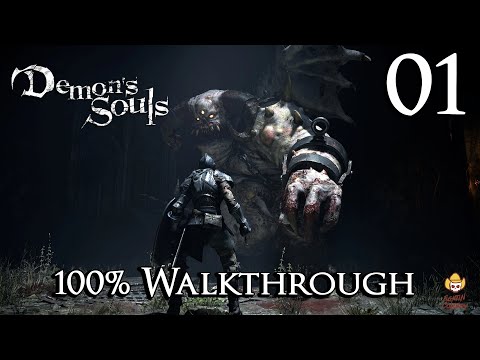
For those brave enough to venture into the haunting world of Boletaria in the Demon’s Souls remake, understanding the time commitment is crucial. On average, a playthrough focused on the main objectives will take around 23 to 24 hours. However, the true depth of Demon’s Souls lies in its intricate world, challenging combat, and numerous secrets. Completionists aiming to experience everything the game has to offer can expect to spend upwards of 59 hours exploring every nook and cranny.
Delving Deeper: Factors Affecting Playtime
Several factors influence how long it takes to beat the Demon’s Souls remake:
- Player Skill: Souls-like games are known for their difficulty, and Demon’s Souls is no exception. Experienced players familiar with the genre’s mechanics will naturally progress faster than newcomers.
- Playstyle: A methodical player who explores every area and meticulously plans their attacks will likely spend more time than someone who rushes through the main path.
- Build Choice: Certain character builds can make the game significantly easier or harder. A well-optimized build can drastically reduce playtime.
- Co-op Play: Summoning other players for co-op assistance can make challenging areas easier, potentially shortening the overall playtime.
- Familiarity with the Original: Players who have previously played the original Demon’s Souls will have a significant advantage and can expect a faster playthrough.
- Death Count: Dying is an integral part of the Souls experience. A high death count will inevitably extend playtime.
The Allure of Completionism: Beyond the Main Story
While the main story provides a compelling experience, Demon’s Souls offers much more for those seeking a truly complete journey:
- Exploring All Areas: The game world is interconnected and filled with hidden areas, secrets, and valuable items. Thorough exploration is essential for completionists.
- Defeating All Bosses: In addition to the main story bosses, there are optional bosses that offer unique challenges and rewards.
- Acquiring All Weapons and Armor: Demon’s Souls features a vast array of weapons and armor, each with its own stats and properties. Collecting them all can be a time-consuming endeavor.
- Mastering All Spells and Miracles: Magic plays a significant role in Demon’s Souls. Completionists will want to learn and master all spells and miracles available in the game.
- Achieving Platinum Trophy: For PlayStation enthusiasts, obtaining the platinum trophy requires completing all in-game achievements, including beating the game multiple times with different character builds and strategies.
- Experiencing Different Endings: Demon’s Souls has two different endings. Experiencing both requires multiple playthroughs.
The Enduring Legacy of Demon’s Souls
The Demon’s Souls remake is more than just a visual upgrade; it’s a meticulously crafted recreation of a classic game that laid the foundation for the entire Souls-like genre. Understanding the time investment involved is crucial for anyone considering embarking on this challenging but rewarding adventure. Whether you choose to focus on the main story or delve into the depths of completionism, Demon’s Souls promises a memorable and unforgettable experience. You can learn more about the impact of gaming on learning and education at GamesLearningSociety.org.
Frequently Asked Questions (FAQs)
Here are 15 frequently asked questions about the Demon’s Souls remake, providing further insights into its gameplay, difficulty, and overall experience:
Is the Demon’s Souls remake harder than the original?
The Demon’s Souls remake retains many of the mechanics from the original, aiming to maintain its intended difficulty. However, some argue that the original’s imbalances inadvertently made it easier in certain aspects. The remake aims for a more consistent and refined challenge.
Is Elden Ring easier than Demon’s Souls remake?
Many consider Elden Ring to be more accessible than Demon’s Souls. While Elden Ring can be gruelingly difficult early on, it offers more player agency and tools to overcome challenges in the mid-to-late game. Demon’s Souls, on the other hand, maintains a more consistent level of difficulty throughout.
Which Souls game is the hardest?
The difficulty of Souls games is subjective, but Sekiro: Shadows Die Twice is often cited as the most challenging due to its reliance on precise parrying and posture breaking. Other contenders include Dark Souls 2 and the original Demon’s Souls.
What is the best Souls game to start with?
Demon’s Souls is a good starting point for the Soulsborne genre. It’s comparatively easier than later Dark Souls games and familiarizes players with the slower playstyle. The original is still a valid option, but the remake’s quality of life improvements make it the ideal starting point.
Is Sekiro the hardest Souls-like game?
Yes, Sekiro: Shadows Die Twice is widely considered to be one of, if not the, hardest Souls-like game. Its reliance on precise parrying and fast-paced combat sets it apart from other Souls games.
Why is Demon’s Souls so hard?
Demon’s Souls is difficult due to its unforgiving combat, intricate level design, and the punishment for death, which involves losing souls used for leveling up and purchasing items. The lack of armor’s impact made avoiding damage vital, which is more challenging to some players.
What’s the hardest boss in Demon’s Souls?
Old King Allant (also known as False King Allant) is widely considered the hardest boss in Demon’s Souls. This battle requires skill and precision and cannot be easily cheesed or exploited with gimmicks.
How many endings are in Demon’s Souls remake?
The Demon’s Souls remake has two endings: a “good” ending and a “bad” ending. The ending you receive depends on a single choice made at the very end of the game.
Is Demon’s Souls remake scary?
While not a horror game, Demon’s Souls remake features unsettling atmospheres and harrowing levels that can evoke feelings of fear and dread. The isolation and grotesque enemy designs contribute to the game’s spooky ambiance.
What is the most fun starting class in Dark Souls?
While this question refers to Dark Souls and not Demon’s Souls, the Pyromancer class is the most fun to start with. It comes with a hand axe, round shield, and pyromancy flame that is very helpful. This is the class for people who want to play Dark Souls for the first time or want to experience a hybrid of strength and deadly pyromancy.
How difficult is Demon’s Souls?
Demon’s Souls is considered a challenging game, but its difficulty is often overstated. While it can be unforgiving, learning enemy patterns and utilizing the game’s mechanics can make it manageable.
Is Bloodborne harder than Dark Souls?
The difficulty of Bloodborne and Dark Souls is subjective. Bloodborne is often seen as more challenging due to its fast-paced combat, while Dark Souls relies more on methodical gameplay and strategic planning.
Is Bloodborne harder than Demon’s Souls?
Demon’s Souls is generally considered easier than Bloodborne. Bloodborne‘s faster pace and aggressive enemy design can be more demanding than Demon’s Souls‘ slower, more methodical combat.
Is Demon’s Souls grindy?
Yes, Demon’s Souls can be grindy, especially for players aiming for specific items or trying to level up stats. Farming souls can become necessary to overcome challenging areas or bosses.
What is the easiest class in Demon’s Souls?
The Royalty class is often considered the easiest starting class in Demon’s Souls. It starts with a catalyst, allowing for early access to magic, which can trivialize certain encounters. It also starts with the Fragrant Ring, which slowly regenerates MP, so players can cast spells more often.