Unveiling the Night’s Embrace: How Powerful Are Vampires in D&D?
Fast answer first. Then use the tabs or video for more detail.
- Watch the video explanation below for a faster overview.
- Game mechanics may change with updates or patches.
- Use this block to get the short answer without scrolling the whole page.
- Read the FAQ section if the article has one.
- Use the table of contents to jump straight to the detailed section you need.
- Watch the video first, then skim the article for specifics.
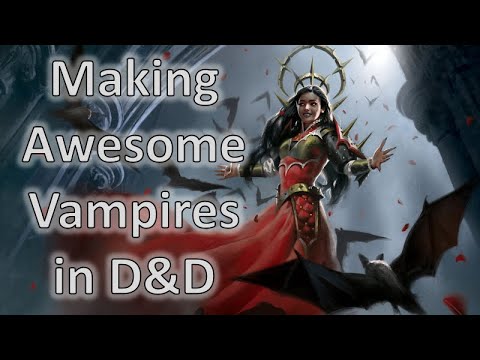
In the sprawling realms of Dungeons & Dragons, the vampire stands as a chilling testament to undeath and predatory power. But how truly powerful are these creatures of the night? The answer, as with many things in D&D, is multifaceted and depends heavily on the vampire’s age, lineage, and the edition of the game.
Generally speaking, vampires in D&D are significantly more powerful than ordinary mortals. They possess a formidable array of abilities, including superhuman strength, speed, and resilience. They wield dark magic, command lesser creatures, and can even manipulate the minds of their victims. Their weaknesses, while exploitable, often require specific knowledge and resources to overcome. A well-prepared party of adventurers can certainly defeat a vampire, but underestimating one is a fatal mistake. A vampire is usually a formidable foe that players will have to use many of their abilities and knowledge to overcome.
Delving Deeper: Vampire Abilities and Weaknesses
A vampire’s power stems from a potent cocktail of undead physiology and dark magic. Some key abilities include:
- Superhuman Attributes: Vampires boast incredible strength, allowing them to overpower most humanoids. Their enhanced speed makes them difficult to hit, and their durability lets them withstand blows that would cripple others.
- Shapechanging: A classic vampire ability, often allowing transformation into bats, wolves, or even mist. This grants incredible mobility and infiltration capabilities.
- Charm and Domination: The ability to enthrall and control weaker minds is a hallmark of the vampire. This allows them to create thralls, gather information, and sow discord.
- Blood Drain: The very essence of a vampire’s existence. Draining blood restores their vitality and can create new vampires (vampire spawn).
- Regeneration: A disturbing ability that allows vampires to rapidly heal from injuries, making them incredibly difficult to kill through conventional means.
- Spider Climb: The ability to effortlessly scale walls and ceilings, adding to their unsettling and predatory nature.
- Commanding Creatures: Vampires often command swarms of bats, rats, and wolves, using them as scouts, guardians, or weapons.
However, these powers come with a price. Vampires are plagued by several key weaknesses:
- Sunlight Hypersensitivity: A crippling weakness. Direct sunlight burns them, inflicting significant damage and hindering their abilities.
- Running Water: Some editions and settings specify that crossing running water is harmful or impossible for vampires.
- Stake to the Heart: A wooden stake driven through the heart can paralyze a vampire, especially if done in their resting place.
- Garlic: A classic deterrent, often depicted as repelling or weakening vampires.
- Holy Symbols and Divine Power: The presence of strong faith or blessed objects can ward off or damage vampires.
- Entering a Residence: Vampires are unable to enter a residence unless invited in by someone with the authority to do so.
Vampire Hierarchy and Challenge Rating
The Challenge Rating (CR) system in D&D offers a guideline for a monster’s difficulty. A standard vampire often falls within the CR 13 range. However, more powerful vampires, such as ancient vampires, vampire lords, or unique individuals like Strahd von Zarovich, can boast CRs of 15 or higher. The “Higher Vampire” from Book of Beautiful Horrors has a CR of 23. These higher-level vampires possess greater abilities, more potent spells, and a deeper understanding of dark magic.
Tactics and Strategy Against Vampires
Defeating a vampire requires careful planning and execution. A few key strategies include:
- Locating the Resting Place: Vampires must return to their coffin or resting place during the day. Finding and destroying this location can severely weaken them.
- Utilizing Radiant Damage: Radiant damage, often associated with divine magic, is particularly effective against undead, including vampires.
- Exploiting Weaknesses: Understanding and exploiting a vampire’s specific weaknesses (sunlight, running water, holy symbols) is crucial.
- Preventing Regeneration: Some abilities or spells can temporarily suppress a vampire’s regeneration, allowing for a decisive blow.
- Dispelling Charms: Having abilities or spells that allow you to avoid being charmed is a must.
- Having A Residence: A vampire will have a hard time entering a house to attack if you are in a house.
The Importance of Lore and Setting
The power level of vampires can vary significantly depending on the setting and the specific lore established by the Dungeon Master (DM). Some settings might portray vampires as almost godlike beings, while others depict them as more vulnerable creatures. The DM ultimately decides the specifics of vampire abilities and weaknesses within their campaign.
FAQs: Unveiling More About D&D Vampires
Here are 15 frequently asked questions about vampires in D&D, providing further insights into their nature and power:
FAQ 1: Can D&D vampires be killed permanently?
Yes, vampires can be permanently killed, but it’s often a difficult process. Typically, reducing them to 0 hit points and preventing their regeneration is key. Destroying their resting place before they can regenerate is also a good idea.
FAQ 2: What happens if a vampire drinks the blood of a powerful creature?
There are no specific rules that describe what happens when a vampire drinks a powerful creature. This would be entirely up to the DM and dependent upon the creature type, and can result in many outcomes.
FAQ 3: Are all vampires evil in D&D?
While most vampires are depicted as evil due to their predatory nature and reliance on draining life, there’s always room for exceptions. A character could theoretically become a vampire against their will and strive to maintain their morality.
FAQ 4: Can a vampire be turned back into a human?
The possibility of reversing vampirism is rare and often requires powerful magic or divine intervention. It’s not a common occurrence, and the process is usually perilous.
FAQ 5: How does sunlight affect different types of vampires?
The severity of sunlight’s effect can vary depending on the type of vampire. Ancient or more powerful vampires might have some resistance, but all are generally weakened and take damage from direct exposure.
FAQ 6: Can vampires use magic items?
Yes, vampires can use magic items unless the item specifically requires a living being or a creature of a particular alignment.
FAQ 7: What languages do vampires speak?
Vampires often speak the common language of the region they originated from, as well as potentially other languages they knew in life. There is also Vampiric Language, which is mainly used to communicate with other vampires.
FAQ 8: Can a vampire enter a holy place?
Whether a vampire can enter a holy place depends on the specific protections in place and the strength of their faith. A particularly powerful or well-warded holy site might repel a vampire.
FAQ 9: How does aging affect vampires in D&D?
Vampires are immortal in the sense that they don’t die of old age. However, older vampires typically become more powerful, accumulating more knowledge and magical abilities over time.
FAQ 10: Can a vampire have children?
Vampires cannot reproduce in the traditional sense. They create more vampires by draining a humanoid to 0 hit points and then burying the corpse in the ground. After 1-3 nights the person returns as a vampire spawn.
FAQ 11: Can a vampire be healed by normal means?
Normal healing methods are often ineffective on vampires due to their undead nature. They typically require magical healing or blood consumption to restore their hit points.
FAQ 12: What is the social structure of vampires like?
Vampire societies vary widely. Some operate in strict hierarchies with powerful vampire lords, while others are more solitary or form small, secretive covens.
FAQ 13: Are there different types of vampires in D&D lore?
Yes, beyond the standard vampire stat block, there are many variations, including vampire spawn, vampire lords, and unique individuals with customized abilities.
FAQ 14: Can a vampire be controlled by another creature?
While vampires can be controlled through powerful magic or mind-altering effects, they are typically resistant to such influences due to their strong will and magical abilities.
FAQ 15: What role do vampires play in D&D campaigns?
Vampires can serve as compelling villains, offering a mix of physical threat, cunning strategy, and moral corruption. They can be used as primary antagonists or as elements within larger storylines. The Games Learning Society explores how these narrative elements can enhance engagement in educational settings. You can learn more at GamesLearningSociety.org.
Conclusion: Embracing the Darkness
Vampires in D&D are formidable foes, possessing a potent blend of physical prowess, dark magic, and cunning intellect. Their weaknesses provide opportunities for skilled adventurers to triumph, but underestimating these creatures of the night can have deadly consequences. By understanding their abilities, weaknesses, and the nuances of their lore, players can better prepare themselves for the challenges that await them in the shadows. Remember, the power of a vampire lies not only in its fangs and claws but also in its ability to manipulate, corrupt, and ultimately, consume.