How Rare is Iron in Minecraft?
Fast answer first. Then use the tabs or video for more detail.
- Watch the video explanation below for a faster overview.
- Game mechanics may change with updates or patches.
- Use this block to get the short answer without scrolling the whole page.
- Read the FAQ section if the article has one.
- Use the table of contents to jump straight to the detailed section you need.
- Watch the video first, then skim the article for specifics.
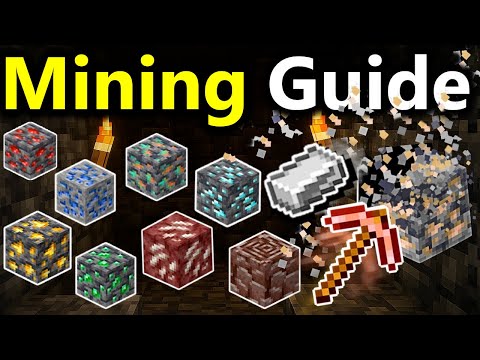
Iron is not rare in Minecraft; in fact, it’s one of the most common resources you’ll encounter. It’s significantly more abundant than gold, diamonds, and emeralds, and it’s a fundamental building block for progressing through the game. While not as omnipresent as stone or wood, iron is plentiful enough that you shouldn’t struggle to find it once you know where to look. Its abundance makes it essential for crafting tools, armor, and various other items necessary for survival and exploration. Although its real-world counterpart is much more common in the Earth’s crust, the game’s design makes iron readily available to players, ensuring it’s not a bottleneck in early- to mid-game progression.
Iron Abundance in the Minecraft World
Natural Occurrence
Iron Ore is, without a doubt, one of the most common minerals found underground in Minecraft. It’s not restricted to one specific layer but is present throughout a significant portion of the game’s vertical world. You’ll find it in abundance while exploring caves and ravines, which often contain significant veins.
Generation Patterns
Iron Ore generates in three distinct batches, each with its own characteristics. These batches attempt to spawn multiple times per chunk, meaning you’re likely to find iron ore in clusters rather than as single, isolated blocks. The game’s mechanics make sure that even though iron has a generous distribution, you’ll still experience the thrill of discovering valuable deposits.
- First Batch: This batch attempts to generate many times per chunk, from levels 80 to 384, but is most common around level 232. This batch is less common towards either end of its range.
- Deepslate Layer: While not a specific batch, it is worth noting that larger blobs of iron can be found in the deepslate layer.
Comparison to Other Resources
While iron is common, it’s essential to understand its place relative to other ores:
- Gold: Gold is definitely rarer than iron in Minecraft. You’ll find less gold as you explore, making it a more valuable commodity for trading and certain crafting recipes.
- Diamonds: Diamonds are considerably rarer than both iron and gold. Their limited spawn locations and low frequency make them a sought-after resource.
- Emeralds: Emerald Ore is the rarest of all ores, making it significantly harder to find than iron. Emeralds are mostly used for trading and are essential for end-game activities.
Why Iron Feels Common in Minecraft
Despite being an ore found underground, its availability stems from several factors:
- Wide Generation Range: Iron ore spawns across a vast range of Y levels, ensuring that you encounter it regardless of where you decide to mine.
- Multiple Batches: The three distinct generation batches mean that even if you’re unlucky in one area, there’s a higher chance of finding it elsewhere.
- Cave Exploration: Caves and ravines are a haven for iron ore veins, making exploration an easy way to amass a decent amount of iron.
- Villager Trades: If mining isn’t your preference, you can trade with Armourer, Toolsmith, and Weaponsmith villagers for iron ingots, making it even more accessible.
Practical Implications
Its relative commonness makes iron the backbone of early- and mid-game progression:
- Essential Tools and Armor: Iron is used for crafting vital items like pickaxes, axes, swords, and armor, which are needed to efficiently gather other resources and protect yourself from mobs.
- Redstone Components: Iron is a key material for crafting redstone components like pistons and minecarts, crucial for building automated farms and transport systems.
- Buckets: Buckets, which are essential for fluid management, need iron ingots to craft.
- Iron Golems: For base protection, you can create Iron Golems by combining four iron blocks and a carved pumpkin.
Frequently Asked Questions (FAQs) About Iron in Minecraft
1. What Y-level is best for finding iron in Minecraft?
Iron Ore is commonly found between Y-levels -64 and 320, with notable concentrations around Y-level 15 and Y-level 232. These two levels often yield the most amount of iron ore, especially when searching in caves and the deepslate layer.
2. Is iron more common in certain biomes?
While iron can be found in multiple biomes, it’s not as biome-specific as other resources. You’ll find iron in Fatelands, Forest, and Dry Savanna biomes. However, these differences aren’t significant enough to dramatically affect where you choose to mine.
3. How many times does iron ore attempt to generate per chunk?
Iron ore attempts to generate 90 times per chunk in each of its generation batches, which contribute to its widespread presence.
4. How do ore veins affect iron spawns?
Ore veins are rare but huge deposits. While the presence of caves and mineshafts can override their generation, iron veins (found below Y=0) can provide a substantial amount of iron ore when discovered.
5. Can you buy iron in Minecraft?
Yes, you can buy iron in Minecraft. Armourer, Toolsmith, and Weaponsmith villagers frequently stock iron ingots as trade options, making iron accessible without mining.
6. What’s the difference between raw iron and an iron block?
Raw iron is the ore you mine from underground. Smelting raw iron will give you iron ingots, and combining nine iron ingots will create an iron block. Smelting a raw iron block will result in an iron block directly.
7. How do I make an iron golem?
You can make an Iron Golem by placing four iron blocks in a “T” shape and placing a carved pumpkin on top. Iron Golems will also spawn naturally in villages and pillager outposts.
8. Is iron better than gold in Minecraft?
While gold is rarer than iron, iron is better for making tools, armor, and essential items. Gold has fewer practical uses, primarily used for crafting items, and trading with Piglins in the Nether.
9. Where do diamonds spawn in comparison to iron?
Diamonds spawn at layer 15 and lower, becoming more common the deeper you go. Iron spawns at a much wider range of levels, making it more accessible.
10. What’s the best mining layer for overall resources?
Due to being the safest layers to mine where all ores exist in reasonable quantities, layer 10 to 15 are usually considered the best area in which to start mining.
11. How many diamonds are in a diamond block?
A diamond block consists of nine diamonds. Diamond Blocks can be mined only with an Iron, Diamond, or Netherite Pickaxe.
12. How rare is a raw block of iron?
Iron is a relatively uncommon block to find naturally but is common as an ore underground. Raw iron blocks are mainly obtained by mining veins in the deepslate layer or smelting a block of raw iron ore.
13. Can breathing in iron ore dust be harmful?
Yes, repeated exposure to iron oxide fume or dust can cause pneumoconiosis (Siderosis) with cough, shortness of breath, and changes on chest x-ray in real life. However, this is not a mechanic in Minecraft itself.
14. Is iron the most common element in the real world?
Iron is indeed the most abundant element in Earth, making up about 35% of the Earth as a whole. However, the Minecraft world is designed differently to balance gameplay, hence the difference in abundance ratios.
15. How do I get free iron in Minecraft?
The most common way to get iron for “free” in Minecraft is by exploring caves and ravines. You will be able to find plenty of iron ore veins while exploring these places.
Conclusion
In summary, while the real-world distribution of iron differs dramatically from its in-game counterpart, iron in Minecraft is designed to be a readily available resource. Its generous generation patterns and multiple spawning batches, combined with the option to trade for it, make iron one of the most common and essential materials for any Minecraft player. So, while you might not be swimming in it on day one, a little bit of exploration will yield more than enough to meet your crafting and building needs.