How Strict Is China’s Internet? A Deep Dive
Fast answer first. Then use the tabs or video for more detail.
- Watch the video explanation below for a faster overview.
- Game mechanics may change with updates or patches.
- Use this block to get the short answer without scrolling the whole page.
- Read the FAQ section if the article has one.
- Use the table of contents to jump straight to the detailed section you need.
- Watch the video first, then skim the article for specifics.
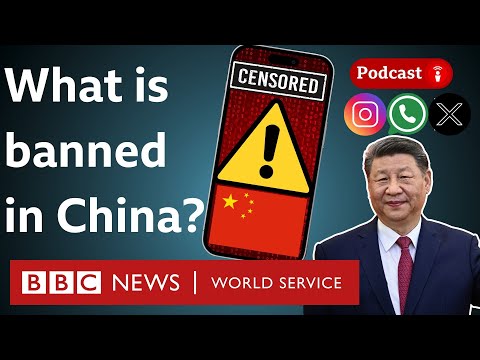
The question isn’t whether China’s internet is strict, but rather how strict and what the implications are. The answer is: extremely. China operates a sophisticated and comprehensive system of internet censorship and surveillance known as the Great Firewall of China, which is arguably the most advanced and pervasive in the world. This system doesn’t just block websites; it actively monitors online activity, censors content, and punishes individuals who violate its regulations. It impacts everything from access to information and freedom of expression to business operations and international relations.
Understanding the Great Firewall
The Great Firewall isn’t a single piece of technology, but rather a multifaceted system encompassing various methods to control internet access and content within China. These methods include:
-
IP Blocking: This is the most basic method, where entire websites or specific IP addresses are blocked, making them inaccessible from within China. This is commonly used against news outlets, social media platforms, and websites deemed politically sensitive.
-
DNS Poisoning: When a user in China attempts to access a blocked website, the DNS server may be manipulated to provide an incorrect IP address, redirecting the user to a different website or a dead end.
-
URL Filtering: Specific URLs containing blacklisted keywords or phrases are blocked, preventing users from accessing specific pages within a website, even if the entire site isn’t blocked.
-
Deep Packet Inspection (DPI): This sophisticated technology allows the Chinese government to analyze the content of internet traffic in real-time, identifying and blocking sensitive keywords, images, and other content. DPI is crucial in identifying encrypted traffic like VPNs.
-
Man-in-the-Middle Attacks: In certain cases, the Chinese government can intercept and modify internet traffic, potentially injecting malicious code or collecting sensitive information.
-
TLS/SSL Interception: While encryption aims to protect data, the Great Firewall can intercept and decrypt encrypted traffic in some cases, especially if the encryption is not implemented correctly or uses outdated protocols.
Beyond the technological measures, the Great Firewall is enforced through a complex legal framework and a vast network of human censors. These censors monitor online content, delete posts, and track down individuals who violate internet regulations. Furthermore, companies operating in China are required to comply with censorship demands, self-censor content, and actively monitor their users.
The Impact of Internet Censorship
The strict internet censorship in China has far-reaching consequences, impacting various aspects of life:
-
Limited Access to Information: Chinese citizens are denied access to a vast amount of information freely available in the rest of the world, including independent news sources, academic research, and diverse perspectives. This limitation restricts their ability to form informed opinions and participate fully in democratic discourse.
-
Suppression of Freedom of Expression: The fear of censorship and punishment discourages people from expressing dissenting opinions or criticizing the government online. This creates a chilling effect on freedom of expression and limits open debate.
-
Economic Implications: While the Great Firewall aims to protect domestic industries, it also hinders foreign businesses operating in China by limiting their access to information, communication, and international markets. This can negatively impact innovation and economic growth.
-
Social Control: The internet surveillance system allows the Chinese government to monitor citizens’ online behavior, track their movements, and identify potential dissidents. This enables the government to exert greater social control and suppress any form of dissent.
-
Cultural Impact: The limited access to foreign media and cultural content restricts the exposure of Chinese citizens to diverse perspectives and artistic expressions. This can lead to cultural isolation and limit their understanding of the world.
Bypassing the Great Firewall
Despite the sophistication of the Great Firewall, individuals and organizations have developed various methods to bypass it, including:
-
Virtual Private Networks (VPNs): VPNs encrypt internet traffic and route it through servers located outside of China, allowing users to access blocked websites and services. However, the Chinese government actively blocks and disrupts VPN connections.
-
Proxy Servers: Similar to VPNs, proxy servers act as intermediaries between the user and the internet, masking the user’s IP address and allowing them to access blocked content. However, proxy servers are also subject to censorship and surveillance.
-
Tor Browser: Tor is a privacy-focused browser that routes internet traffic through a network of anonymous relays, making it difficult to trace the user’s IP address and activity. However, Tor is slow and can be blocked by the Great Firewall.
-
Shadowsocks: Shadowsocks is an open-source proxy project that uses encryption to bypass internet censorship. It is more difficult to detect and block than traditional VPNs, but it still requires technical expertise to set up and maintain.
It’s crucial to acknowledge that using VPNs and other circumvention tools in China carries risks. The government actively monitors and punishes individuals who attempt to bypass the Great Firewall.
China’s Evolving Internet Landscape
The Chinese internet landscape is constantly evolving. The government is continuously developing new technologies and regulations to tighten control over online content and activity. Furthermore, China is increasingly promoting its own version of the internet, characterized by strict censorship, surveillance, and government control. This vision is often referred to as cyber sovereignty, which emphasizes the right of each country to govern its own internet space.
This raises concerns about the future of the internet and the potential for further fragmentation and balkanization. As China’s influence grows globally, its vision of cyber sovereignty may gain traction, potentially impacting internet freedom and access to information worldwide. To combat this, organizations like the Games Learning Society, which can be found at GamesLearningSociety.org, are crucial in fostering global digital literacy and promoting access to unbiased information. It’s essential to stay informed about the evolving internet landscape in China and advocate for greater internet freedom and access to information.
Frequently Asked Questions (FAQs)
1. What specific websites are blocked in China?
A wide range of websites are blocked, including major social media platforms like Facebook, Twitter, YouTube, Instagram, and messaging apps like WhatsApp. Most major international news outlets, such as The New York Times, BBC, and CNN, are also blocked. Additionally, websites critical of the Chinese government, human rights organizations, and certain academic resources are frequently inaccessible.
2. How does the Great Firewall affect foreigners in China?
Foreigners are subject to the same internet censorship rules as Chinese citizens. They are unable to access blocked websites and may be monitored for their online activity. While there may be a slightly higher tolerance for foreigners, expressing political views deemed critical of the government can still lead to consequences.
3. Is using a VPN in China illegal?
The legality of using a VPN in China is a gray area. While the government has banned unauthorized VPN services, it hasn’t explicitly criminalized the use of VPNs by individuals. However, individuals caught using unauthorized VPNs may face fines or other penalties.
4. How does China monitor internet activity?
China utilizes a combination of technological tools and human censors to monitor internet activity. Deep packet inspection allows the government to analyze internet traffic in real-time, while surveillance technology tracks users’ online behavior and identifies potential dissidents. Human censors monitor online content, delete posts, and report violations.
5. What is “cyber sovereignty”?
Cyber sovereignty is a concept promoted by China and other countries, emphasizing the right of each country to govern its own internet space. This includes controlling internet access, content, and infrastructure within its borders. Critics argue that cyber sovereignty undermines internet freedom and access to information.
6. What is the role of Chinese internet companies in censorship?
Chinese internet companies are required to comply with government censorship demands. They actively monitor their platforms for prohibited content, delete posts that violate regulations, and share user data with the government.
7. What are the consequences of violating internet regulations in China?
Violating internet regulations in China can result in a range of consequences, including warnings, fines, account suspension, and even criminal charges. Individuals who express dissenting opinions or criticize the government online are particularly vulnerable.
8. How does the Great Firewall affect academic research?
The Great Firewall limits access to academic resources, hindering research and collaboration. Researchers may be unable to access important databases, journals, and websites, impacting their ability to conduct thorough research.
9. What is the social credit system and how does it relate to internet censorship?
The social credit system is a system being developed in China to assess and rate citizens’ behavior. Online behavior is one of the factors considered in the social credit score. Individuals with low social credit scores may face restrictions on travel, employment, and access to services.
10. How can businesses operating in China navigate internet censorship?
Businesses operating in China need to be aware of internet censorship and take steps to comply with regulations. This may involve self-censoring content, using approved VPNs, and monitoring employee online activity. Consulting with legal experts and understanding the local regulations is crucial.
11. What are the alternatives to using blocked social media platforms in China?
Chinese social media platforms like WeChat and Weibo are popular alternatives to blocked Western platforms. However, these platforms are heavily censored and monitored by the government.
12. What is the future of internet freedom in China?
The future of internet freedom in China remains uncertain. The government is likely to continue tightening control over online content and activity. However, there is also a growing awareness of the importance of internet freedom and access to information among some segments of the population.
13. How can I access blocked websites while traveling in China?
The most common way to access blocked websites while traveling in China is to use a VPN. However, it’s important to choose a reliable VPN service and be aware of the potential risks involved.
14. Are there any Chinese websites that are blocked outside of China?
Some Chinese websites, particularly those associated with state media or propaganda, may be blocked or restricted in certain countries due to concerns about disinformation or security risks.
15. What resources are available to learn more about internet censorship in China?
Organizations like Freedom House, Reporters Without Borders, and GreatFire.org provide valuable information and analysis on internet censorship in China. Additionally, academic research and reports offer in-depth insights into the topic.