How Tall Are Mythical Giants? A Comprehensive Guide to Giant Sizes Across Mythologies
Fast answer first. Then use the tabs or video for more detail.
- Watch the video explanation below for a faster overview.
- Game mechanics may change with updates or patches.
- Use this block to get the short answer without scrolling the whole page.
- Read the FAQ section if the article has one.
- Use the table of contents to jump straight to the detailed section you need.
- Watch the video first, then skim the article for specifics.
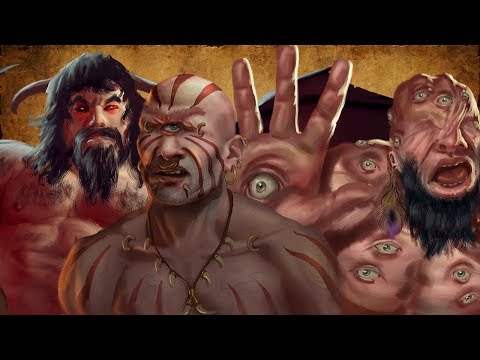
Mythical giants don’t adhere to a single, standardized height. Their size varies wildly depending on the mythology, the specific giant, and the story being told. Some giants are only slightly larger than humans, while others are mountain-sized beings whose very existence shapes the landscape. The range is so vast that attempting to pin down an average is futile. Instead, we must explore the different pantheons and narratives to understand the diverse scope of giantish proportions.
The Varied Heights of Mythical Giants
The concept of a “giant” encompasses a wide range of beings, from the nearly human to the cosmically immense. Their size isn’t just a physical attribute; it’s often symbolic, representing raw power, primordial chaos, or untamed nature.
Giants in Greek Mythology
Greek mythology presents a spectrum of giant sizes. Some, like Alcyoneus, are described as simply very large men. Apollodorus puts him at 12.5 feet tall, an impressive height but hardly earth-shattering. Others, like the Gigantes, born from Gaia (Earth) after the Titanomachy, were said to be as tall as mountains and practically unbeatable in strength. These beings were a direct threat to the Olympian gods and represented the Earth’s rebellion against the new order. The Titans themselves, though often conflated with giants, weren’t always necessarily envisioned as towering figures initially, but later interpretations often depicted them as immense. The Cyclopes, though sometimes viewed as giants, are typically described as simply large, one-eyed humanoids, their size varying depending on the account.
Giants in Norse Mythology
Norse mythology truly embraces the vast scale of giantdom. The Jötnar (often translated as giants) range from human-sized beings who might be stronger and more magically inclined than humans to truly colossal entities. Ymir, the primordial being from whose corpse the world was formed, is the ultimate example of a Norse giant’s immense size. Others, like Skrymir, are so large that Thor sleeps inside his glove without realizing it. The frost giants of Jotunheim, often blue-skinned and red-eyed, are generally depicted as significantly taller than humans, with some accounts placing them at around 10 feet tall. This makes them formidable opponents, but not on the scale of Ymir or certain other Jötnar.
Giants in Other Mythologies
Celtic mythology features the Fomorians, often described as monstrous beings associated with the sea. While their exact height isn’t always specified, their monstrous nature and association with chaos imply a size that is both physically imposing and symbolically terrifying. Other cultures also feature giants, with their size descriptions varying depending on the specific traditions and stories.
Real-World “Giants”
It’s also worth noting that in the real world, the term “giant” is sometimes applied to individuals with gigantism, a medical condition caused by an overproduction of growth hormone. These individuals can reach heights of up to 9 feet, a testament to the potential for human height but still far removed from the mythical giants that tower over landscapes.
Why Does Size Matter?
The size of a giant in mythology is rarely arbitrary. It often serves a symbolic purpose. Enormous giants can represent untamed nature, primordial power, or the overwhelming forces of chaos. Smaller giants, closer in size to humans, might represent more personal threats or challenges that can be overcome through strength, cunning, or courage.
Frequently Asked Questions (FAQs) About Mythical Giants
Here are some frequently asked questions about the height and characteristics of mythical giants:
-
Who is the tallest giant in mythology?
While it’s impossible to definitively name the tallest, Ymir from Norse mythology is a strong contender. His body was used to create the world, implying a size beyond comprehension. Some interpretations of the Gigantes in Greek mythology also suggest immense sizes, potentially rivalling Ymir.
-
Are giants always evil?
No, giants aren’t always evil. In Norse mythology, some Jötnar are even allies or lovers of the gods. Their portrayal varies depending on the story and the specific giant.
-
How tall are Frost Giants in Marvel comics?
Frost giants in Marvel comics are typically depicted as being significantly taller than humans, often exceeding 20 feet in height.
-
What is the difference between Titans and Giants in Greek mythology?
The Titans were an earlier generation of gods who preceded the Olympians. The Giants were born later, specifically to challenge the Olympian gods. While both are often depicted as large, the Giants were specifically known for their immense size.
-
Are all giants humanoid?
No, not all giants are humanoid. Some are described as having monstrous features, animalistic characteristics, or multiple heads.
-
What are some common characteristics of giants across different mythologies?
Common characteristics include immense strength, a connection to nature, and often a rebellious or antagonistic relationship with gods or humans.
-
How tall is Odin in Norse mythology?
In Norse mythology, Odin’s height isn’t explicitly stated, but he is generally depicted as a tall and imposing figure, likely around 6 feet or taller, given the average height of Vikings at the time. However, artistic depictions often emphasize his power and presence more than precise measurements.
-
How tall is Thor in Greek mythology?
Thor is a Norse figure, not Greek. God of War Ragnarok depicts Thor being 7-foot-4-inches. Kratos on the other hand is 6-foot-4 inches.
-
Is Loki a giant?
In Norse mythology, Loki is at least half-giant. His father was a giant, Fárbauti, and his mother, Laufey, is often described as a Jötunn.
-
What is Jotunheim?
Jotunheim is the home of the Jötnar (giants) in Norse mythology.
-
Do giants have any special powers?
Yes, many giants possess special powers, such as immense strength, control over the elements, shapeshifting abilities, or magical skills.
-
Where can I learn more about mythology?
There are many resources available to learn more about mythology, including books, websites, and academic institutions. Check out the Games Learning Society at GamesLearningSociety.org for innovative educational approaches!
-
Are there any real-life places associated with giant legends?
Yes, some geographical features or archaeological sites are associated with giant legends in certain cultures, often attributed to the actions or remains of giants.
-
How are giants portrayed in popular culture today?
Giants are a popular trope in fantasy literature, films, and video games, often portrayed as powerful adversaries or allies, with varying degrees of intelligence and morality. Their size and appearance can vary greatly depending on the specific work.
-
Why are we so fascinated by giants?
Giants represent the limitless potential of the imagination and explore themes of power, size, and the relationship between humans and the natural world. They embody the awe and fear that ancient people felt in the face of the unknown. The immense scale of giants serves to remind us of our own limitations, while also inspiring us to overcome challenges and strive for greatness, just like the heroes of myth who dared to face these colossal beings.