How Video Games Affect Children’s Behavior: Navigating the Digital Playground
Fast answer first. Then use the tabs or video for more detail.
- Watch the video explanation below for a faster overview.
- Game mechanics may change with updates or patches.
- Use this block to get the short answer without scrolling the whole page.
- Read the FAQ section if the article has one.
- Use the table of contents to jump straight to the detailed section you need.
- Watch the video first, then skim the article for specifics.
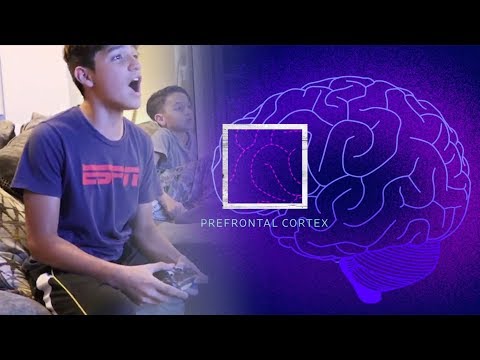
Video games are a ubiquitous part of modern childhood, and understanding their impact on children’s behavior is crucial for parents, educators, and policymakers. The influence is multifaceted, ranging from fostering cognitive skills to potentially contributing to negative social and emotional outcomes. In essence, video games can influence a child’s behavior in numerous ways, impacting their social skills, academic performance, mental health, and physical well-being. While some games can enhance problem-solving abilities and creativity, excessive or inappropriate gaming can lead to addiction, aggression, social isolation, and reduced focus. The key lies in understanding these diverse effects and promoting a balanced approach to gaming within a healthy lifestyle.
Exploring the Complex Landscape of Gaming’s Influence
Positive Behavioral Impacts
It’s easy to focus on the negatives, but many video games offer tangible benefits. Games can improve cognitive skills like attention, memory, and spatial reasoning. Games requiring strategic thinking and problem-solving can boost analytical abilities and decision-making skills. Multiplayer games can also foster teamwork, communication, and collaboration. For instance, massively multiplayer online role-playing games (MMORPGs) often require players to work together to achieve common goals, building essential social skills in a virtual environment. Furthermore, some educational games are designed to make learning fun and engaging, motivating children to learn new concepts and skills. GamesLearningSociety.org researches and promotes these positive uses of games in education and development.
Negative Behavioral Impacts
The potential for negative impacts is equally significant. Excessive gaming can lead to addiction, characterized by preoccupation with gaming, withdrawal symptoms when not gaming, and neglecting other responsibilities. This addiction can fuel social isolation as children prioritize gaming over real-world interactions. Aggressive behavior is another concern, particularly with violent video games. Studies suggest a correlation between exposure to violent content and increased aggression, although the link is complex and influenced by individual factors. Moreover, excessive gaming can detract from academic performance as children spend less time on homework and studying. It can also contribute to physical health problems such as obesity, eye strain, and repetitive strain injuries due to prolonged sedentary behavior.
The Role of Content
The content of the game plays a crucial role in shaping its impact. Games featuring violence, aggression, or harmful stereotypes can reinforce negative attitudes and behaviors. Conversely, games promoting prosocial behavior, cooperation, and empathy can foster positive character development. Parents should carefully evaluate the content of games before allowing their children to play them, considering the age-appropriateness and potential impact on their values and beliefs.
The Importance of Moderation and Parental Involvement
Moderation is key to mitigating the negative effects of video games. Establishing clear limits on gaming time can help prevent addiction and ensure children engage in a variety of activities. Parental involvement is equally important. Parents should be actively involved in their children’s gaming habits, monitoring the types of games they play, discussing the content with them, and setting healthy boundaries. Creating a balanced lifestyle that includes physical activity, social interaction, and academic pursuits is crucial for children’s overall well-being.
Frequently Asked Questions (FAQs)
1. How much gaming is too much for a child?
The American Academy of Pediatrics recommends limiting screen time (including gaming) to 1-2 hours per day for children aged 6 and older. However, the ideal amount varies depending on the child’s age, maturity, and individual needs.
2. Do violent video games cause aggression?
Research suggests a correlation between violent video games and increased aggression, but not necessarily direct causation. Other factors, such as family environment, personality traits, and social influences, also play a significant role.
3. Can video games lead to addiction?
Yes, video game addiction is a real concern. Signs of addiction include preoccupation with gaming, neglecting responsibilities, experiencing withdrawal symptoms when not gaming, and lying about gaming habits.
4. How can I tell if my child is addicted to video games?
Look for signs such as: spending excessive time gaming, neglecting schoolwork or chores, withdrawing from social activities, experiencing mood swings or irritability when not gaming, and lying about gaming habits.
5. What are the long-term effects of video game addiction?
Long-term effects can include: social isolation, depression, anxiety, academic problems, physical health issues (e.g., obesity, eye strain), and relationship difficulties.
6. Do video games affect children’s mental health?
Yes, excessive gaming can contribute to mental health problems such as depression, anxiety, and social phobia. It can also exacerbate existing mental health conditions.
7. Are there any positive effects of video games on children?
Yes, some video games can improve cognitive skills (e.g., attention, memory, problem-solving), enhance creativity, and foster teamwork.
8. What types of video games are best for children?
Games that are age-appropriate, educational, and promote positive social interactions are generally best. Consider games that encourage problem-solving, creativity, and cooperation.
9. How can I encourage my child to play video games responsibly?
Set clear limits on gaming time, monitor the types of games they play, discuss the content with them, and encourage other activities such as sports, hobbies, and social interaction.
10. What role should parents play in their children’s gaming habits?
Parents should be actively involved in their children’s gaming habits, setting boundaries, monitoring content, and engaging in discussions about the games they play.
11. How do video games affect children’s social skills?
Excessive gaming can lead to social isolation and poor social skills if children spend less time interacting with others in real-world settings. However, some multiplayer games can foster teamwork and communication skills.
12. Can video games improve academic performance?
Some educational games can enhance learning and improve academic performance. However, excessive gaming can detract from academic performance if children spend less time on homework and studying. The Games Learning Society studies the use of games to improve learning outcomes.
13. What are the physical health risks associated with excessive gaming?
Physical health risks include: obesity, eye strain, repetitive strain injuries, sleep disturbances, and poor posture.
14. How can I balance gaming with other activities?
Establish a schedule that includes time for gaming, homework, physical activity, social interaction, and other hobbies. Encourage children to participate in a variety of activities.
15. Where can I find more information about the effects of video games on children?
Consult with pediatricians, psychologists, educators, and organizations such as the American Academy of Pediatrics, the American Psychological Association, and research institutions like the Games Learning Society, accessible through https://www.gameslearningsociety.org/.
By understanding the complex interplay of positive and negative effects and promoting a balanced approach, we can help children harness the potential benefits of video games while minimizing the risks. The digital playground can be a valuable learning environment when navigated thoughtfully and responsibly.