Is 2 Hours of VR Bad? A Deep Dive into Virtual Reality Safety
Fast answer first. Then use the tabs or video for more detail.
- Watch the video explanation below for a faster overview.
- Game mechanics may change with updates or patches.
- Use this block to get the short answer without scrolling the whole page.
- Read the FAQ section if the article has one.
- Use the table of contents to jump straight to the detailed section you need.
- Watch the video first, then skim the article for specifics.
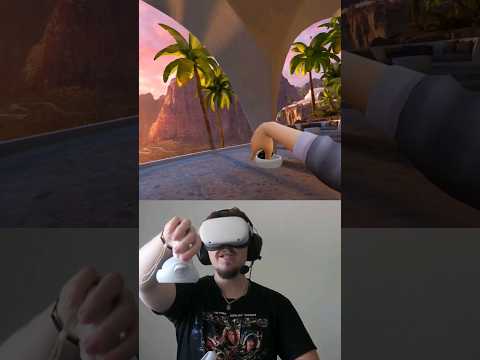
So, you’re itching to immerse yourself in a virtual world for a solid two hours. The question is: is it a good idea? The short answer is: it depends. While there isn’t a hard and fast rule that makes two hours definitively “bad,” it’s crucial to understand the potential risks and how to mitigate them. Spending two consecutive hours in VR could lead to discomfort and negative side effects if you don’t take the necessary precautions. Factors like individual sensitivity, the type of VR experience, and adherence to safety guidelines all play a significant role. Responsible VR usage is key, and we’ll delve into how you can maximize enjoyment while minimizing potential harm.
Understanding the Risks of Prolonged VR Use
The core concern with extended VR sessions revolves around sensory overload and the potential for VR sickness. This stems from a mismatch between what your eyes are seeing and what your inner ear is sensing. Your eyes tell your brain you’re moving through a virtual world, but your body remains stationary. This conflict can trigger a range of unpleasant symptoms, including:
- Eye Strain: Focusing on a screen inches from your face for extended periods can strain your eye muscles.
- Headaches: Can be caused by eye strain, tension, or the aforementioned sensory conflict.
- Dizziness and Nausea: Classic symptoms of motion sickness, exacerbated by the visual-vestibular disconnect.
- Disorientation: Feeling “off” or unbalanced after removing the headset.
- Fatigue: The brain works harder to process the conflicting information, leading to mental exhaustion.
- Loss of Spatial Awareness: Difficulty re-adjusting to the real world immediately after use.
- Depersonalization/Derealization: In rare cases, prolonged or intense VR experiences can trigger feelings of detachment from oneself or reality.
- Increased Anxiety: The intensity of certain VR experiences can exacerbate pre-existing anxiety or trigger new episodes.
Mitigating the Risks: Making VR Safer
Fortunately, many of these risks can be minimized by following some simple guidelines:
- Take Frequent Breaks: The most crucial step. Aim for a 10-15 minute break every 30 minutes, or even more frequently if you start feeling uncomfortable.
- Start Slow and Gradually Increase Time: Don’t jump straight into a two-hour marathon. Build up your tolerance over time.
- Choose Comfortable and Low-Intensity Experiences: Action-packed, fast-paced games are more likely to induce VR sickness than calmer, more passive experiences.
- Ensure Proper Headset Fit: A poorly fitted headset can exacerbate eye strain and discomfort. Make sure it’s snug but not too tight.
- Maintain a High Frame Rate: Low frame rates can contribute significantly to VR sickness. Ensure your hardware and software are optimized for smooth performance.
- Clean Your Play Space: Clear any obstacles to avoid tripping or bumping into things while immersed.
- Consider Anti-Motion Sickness Medication: If you’re prone to motion sickness, over-the-counter remedies like Dramamine can help. Consult with a doctor before taking any medication.
- Use a Fan: A fan blowing on your face can provide a subtle cue that you’re in the real world, helping to reduce sensory conflict.
- Stay Hydrated: Dehydration can worsen headaches and fatigue.
- Don’t Play Before Bed: The blue light emitted by VR headsets can disrupt your sleep cycle. Avoid using VR for at least 1-2 hours before bedtime.
- Be Mindful of Your Surroundings: Remember that you can’t see what’s happening in the real world while wearing the headset. Alert others in the room that you’re using VR.
Individual Sensitivity and the Role of Habituation
It’s important to remember that everyone reacts differently to VR. Some people can handle long sessions with no ill effects, while others become nauseous after just a few minutes. Your individual sensitivity plays a significant role.
Habituation (or getting used to VR) is also a factor. With regular use, your brain can learn to adapt to the sensory mismatch, reducing the likelihood of VR sickness. However, this process takes time and consistency. The Games Learning Society and other research organizations are actively studying these effects to better understand how to optimize VR experiences for safety and comfort. Check out GamesLearningSociety.org for related research on how to effectively learn in VR.
Is Two Hours Always Bad?
No. If you adhere to the safety guidelines, take frequent breaks, and are not prone to motion sickness, spending two hours in VR can be perfectly fine. However, it’s crucial to listen to your body and stop immediately if you experience any discomfort. Prioritizing your well-being is paramount.
Frequently Asked Questions (FAQs)
1. How long is too long to stay in VR?
There’s no universal answer. It depends on individual tolerance, the experience itself, and adherence to safety guidelines. Start with shorter sessions and gradually increase the duration. If you notice any negative symptoms, take a break immediately. Many manufacturers suggest no more than 30 minutes at a time.
2. What are the long-term effects of using VR?
Long-term effects are still being studied. Potential concerns include vision problems, musculoskeletal issues (from repetitive movements), and psychological effects (such as addiction or detachment from reality). More research is needed to fully understand the long-term implications.
3. Can VR damage my eyes?
While VR doesn’t inherently damage your eyes, prolonged use can cause eye strain, leading to temporary discomfort. Taking regular breaks and adjusting the headset’s focus can help mitigate this.
4. Is VR bad for kids?
Children’s developing brains and eyes are potentially more susceptible to the negative effects of VR. Most manufacturers recommend VR headsets for ages 13 and up. If children do use VR, sessions should be short and closely supervised.
5. Why do I feel dizzy after using VR?
Dizziness is a common symptom of VR sickness, caused by the sensory conflict between your eyes and inner ear. Taking breaks, using a fan, and focusing on a stationary object in the real world can help alleviate dizziness.
6. How can I prevent VR sickness?
Preventative measures include taking frequent breaks, starting slow, choosing comfortable experiences, ensuring a high frame rate, and using anti-motion sickness medication (after consulting a doctor).
7. Can I get addicted to VR?
Yes. VR can be highly immersive and engaging, leading to compulsive use in some individuals. Be mindful of your usage and set limits for yourself.
8. Does VR cause blue light exposure?
Yes, VR headsets emit blue light, which can disrupt sleep. Avoid using VR for 1-2 hours before bedtime. Blue light filter glasses might also help.
9. What is “VR hangover”?
A VR hangover refers to the lingering symptoms of VR sickness after removing the headset, such as headache, nausea, and disorientation.
10. How long does VR sickness last?
Symptoms can last for a few minutes to several hours, depending on the severity and individual factors.
11. Can VR help with anxiety?
Paradoxically, VR can also treat anxiety. Specific VR therapies are used to help individuals confront phobias and manage anxiety disorders in a safe and controlled environment.
12. What should I do if I feel unwell during VR?
Stop immediately, remove the headset, and sit or lie down in a quiet, well-ventilated space. Focus on a stationary object and take deep breaths.
13. Is it safe to use VR outside?
Using VR outside can be challenging due to sunlight interfering with tracking. Using VR at night may require IR lights for the Oculus Quest and similar devices. Make sure to clear the space around you from obstacles to prevent injuries.
14. Does VR track my eye movements?
Some VR headsets include eye-tracking technology, which allows developers to understand where users are looking and how they are interacting with the virtual environment.
15. Can VR cause seizures?
While rare, VR can potentially trigger seizures in individuals with photosensitive epilepsy. If you have a history of seizures, consult with a doctor before using VR.
Ultimately, enjoying VR safely involves understanding the potential risks, taking proactive steps to mitigate them, and listening to your body. Two hours of VR can be perfectly fine, but responsible usage is paramount. Have fun exploring the virtual world, but prioritize your health and well-being.