Is 400,000 a Good Tetris Score? An Expert’s Perspective
Fast answer first. Then use the tabs or video for more detail.
- Watch the video explanation below for a faster overview.
- Game mechanics may change with updates or patches.
- Use this block to get the short answer without scrolling the whole page.
- Read the FAQ section if the article has one.
- Use the table of contents to jump straight to the detailed section you need.
- Watch the video first, then skim the article for specifics.
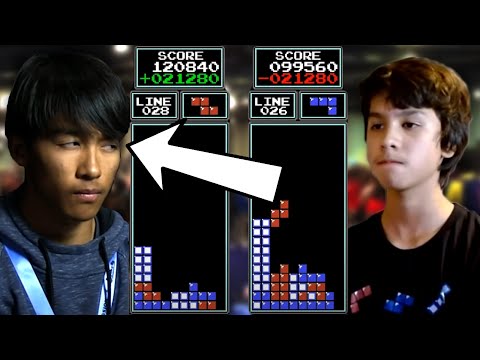
Absolutely! Reaching a score of 400,000 in Tetris is a significant achievement and indicates a solid level of skill and understanding of the game. It signifies that you’ve moved beyond casual play and are employing strategies like efficient stacking, Tetris clears, and managing the upcoming piece queue effectively. While it might not place you among the absolute elite players, it’s a score to be genuinely proud of and suggests you have a strong foundation for further improvement.
Understanding Tetris Scoring and Skill Levels
Tetris, at its core, is a game of strategy, spatial reasoning, and quick decision-making. While luck plays a small role in terms of piece sequencing, consistent high scores are primarily driven by skill. Understanding how scoring works helps contextualize the significance of a 400,000 point game.
- Line Clears: The primary way to score points. Single clears award the fewest points, while clearing four lines simultaneously (a Tetris) yields the most.
- Level: As you clear lines, the game level increases, causing pieces to fall faster. Higher levels dramatically increase the points awarded per line clear.
- T-Spins: Clearing lines with the T-shaped tetromino using a T-Spin maneuver awards significant bonus points, particularly at higher difficulties.
- Combos: Clearing lines consecutively without dropping any pieces creates combos, adding extra points to each clear.
A score of 400,000 suggests you’re likely playing at a decent level (perhaps level 15 or higher), utilizing Tetris clears and likely some basic T-spin techniques.
Factors Affecting Your Tetris Score
Several factors can impact your final score beyond raw skill. Understanding these can help you better analyze your gameplay and identify areas for improvement:
- Starting Level: Starting at a higher level increases the challenge (and point potential) from the beginning.
- Game Mode: Different Tetris variations (e.g., Marathon, Sprint, Ultra) have different scoring systems and objectives. A 400,000 score in a marathon mode is different than in a sprint mode.
- DAS (Delayed Auto Shift): Mastering DAS is critical for fast and efficient horizontal movement of pieces. Efficient DAS execution significantly raises your score.
- Piece Preview: Knowing which piece is coming up next allows for strategic planning, especially in the middle to late game.
From Good to Great: Improving Your Tetris Game
If you’re consistently hitting 400,000, congratulations! Here’s how to take your Tetris game to the next level:
- Master T-Spins: Learn the different T-Spin setups (Single, Double, Triple) and practice executing them consistently.
- Improve Stacking: Focus on building a flat playing field with minimal holes. This prevents “topping out” (losing) and facilitates more Tetris clears.
- Practice Downstacking: Efficiently removing unnecessary blocks to create opportunities for big clears is a valuable skill.
- Study the Pros: Watch videos of expert Tetris players to learn advanced techniques and strategies.
- GamesLearningSociety.org. Consider looking for tips and discussions within communities and sites dedicated to gaming like the Games Learning Society.
Tetris: More Than Just a Game
Beyond the pursuit of high scores, Tetris offers several cognitive benefits, a point emphasized in the studies and discussions at the Games Learning Society meetings.
- Spatial Reasoning: Tetris significantly improves spatial reasoning skills as players must mentally manipulate shapes and visualize their placement.
- Problem-Solving: The game requires quick and creative problem-solving under pressure.
- Cognitive Flexibility: Adapting to unexpected piece sequences enhances cognitive flexibility.
- Stress Reduction: Many players find Tetris to be a relaxing and engaging way to relieve stress. Some studies even indicate Tetris is helpful to those with PTSD.
Frequently Asked Questions (FAQs) about Tetris
Here are some common questions about Tetris, its scoring, and its impact:
1. What is considered an average Tetris score?
An average Tetris score generally falls around 100,000 points. This suggests a casual player with a basic understanding of the game’s mechanics.
2. Is a score of 500,000 in Tetris impressive?
Yes, a score of 500,000 is definitely impressive! It demonstrates a strong grasp of advanced techniques and efficient gameplay.
3. What is the maximum possible score in Tetris?
Theoretically, in many Tetris variations, there isn’t a maximum score. The game continues until the player “tops out.” However, practical limits exist due to human limitations and game design.
4. How can I improve my Tetris speed?
Practice DAS, reduce hesitation, and anticipate piece placements. Playing at gradually increasing speeds is a good training method.
5. What is “topping out” in Tetris?
Topping out occurs when the Tetriminos stack so high that they reach the top of the playfield, preventing new pieces from entering and resulting in a game over.
6. Is Tetris good for my brain?
Yes! Studies suggest that Tetris can improve spatial reasoning, problem-solving skills, and cognitive flexibility.
7. Can Tetris help with anxiety?
Some individuals find Tetris to be a helpful tool for managing anxiety, providing a focused and engaging activity that distracts from anxious thoughts.
8. What are T-Spins, and why are they important?
T-Spins involve placing the T-shaped tetromino in a way that it rotates into a tight space, clearing lines and awarding bonus points. Mastering T-Spins is essential for achieving high scores.
9. What is the “Tetris Effect”?
The Tetris Effect refers to the phenomenon where individuals who play Tetris extensively begin to see Tetris shapes in their everyday lives.
10. Does luck play a role in Tetris?
While skill is paramount, luck does play a minor role in piece sequencing. However, skilled players can adapt to unfavorable sequences.
11. What is the “kill screen” in Tetris?
In classic Tetris, the “kill screen” refers to a level where the game speed becomes so fast that it is nearly impossible to react and play effectively.
12. What is DAS (Delayed Auto Shift) in Tetris?
DAS is a technique where holding down a direction key results in an initial delay, followed by continuous horizontal movement of the piece. Mastering DAS is crucial for fast and efficient play.
13. What are combos in Tetris?
Combos are created by clearing lines consecutively without dropping any pieces. Each consecutive clear adds bonus points to the combo.
14. What is the “next piece queue” in Tetris?
The next piece queue displays the upcoming pieces, allowing players to plan their moves in advance.
15. Are there different versions of Tetris?
Yes, many different versions of Tetris exist, each with unique features, scoring systems, and gameplay mechanics. Classic Tetris, Tetris Effect, and Tetris 99 are some popular examples.
In conclusion, achieving a score of 400,000 in Tetris is a commendable accomplishment, indicating a solid understanding of the game and a dedicated effort to improve. It demonstrates a commitment to efficient stacking, strategic piece placement, and consistent execution. Keep practicing, refine your techniques, and who knows? You might just be on your way to becoming a Tetris grandmaster!