Is a Steam Deck Cheaper Than a Switch? A Deep Dive into Handheld Gaming Economics
Fast answer first. Then use the tabs or video for more detail.
- Watch the video explanation below for a faster overview.
- Game mechanics may change with updates or patches.
- Use this block to get the short answer without scrolling the whole page.
- Read the FAQ section if the article has one.
- Use the table of contents to jump straight to the detailed section you need.
- Watch the video first, then skim the article for specifics.
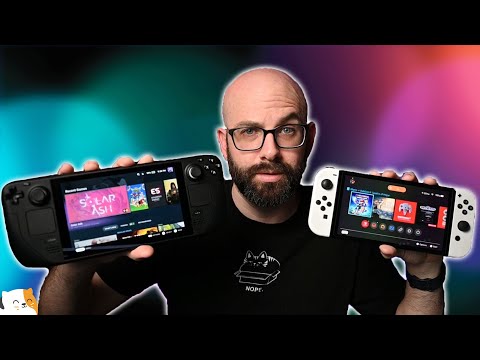
In short, no, a Steam Deck is not inherently cheaper than a Nintendo Switch. The entry-level Steam Deck model, while aggressively priced for its capabilities, typically starts at a price point higher than the base model Nintendo Switch. However, the overall cost comparison becomes more complex when considering factors like game prices, online services, and the long-term value proposition of each device. Let’s break down the nuances and explore the factors that influence the true cost of owning each console.
Understanding the Initial Purchase Price
Nintendo Switch: A Breakdown
The Nintendo Switch comes in three primary models:
- Nintendo Switch (Original): The standard model, often found bundled with games, typically retails for around $300.
- Nintendo Switch OLED: Featuring an upgraded OLED screen and enhanced audio, this model generally sells for approximately $350.
- Nintendo Switch Lite: A handheld-only version, ideal for portable gaming, with a lower price point of around $200.
Steam Deck: A Closer Look
The Steam Deck offers multiple storage options, each affecting the initial cost:
- 64GB eMMC: The base model, priced at around $400. Requires an SD card for significant game storage.
- 256GB NVMe SSD: A mid-tier option that allows for faster game loading, originally priced at around $529.
- 512GB NVMe SSD: The top-tier model, boasting the largest internal storage and an anti-glare etched glass screen, originally priced at around $649.
It is very important to note that while the Steam Deck configurations can vary, and older prices may be listed, the most current prices and available models should be checked on the official Steam website.
The Hidden Costs: Games and Online Services
Nintendo’s Entrenched Pricing Model
One of the most significant factors impacting the long-term cost is the price of games. Nintendo games, particularly first-party titles, rarely see significant discounts and maintain a high resale value. Furthermore, a Nintendo Switch Online subscription is required for most online multiplayer games, adding an annual cost.
Steam’s Versatile Game Library
Steam, on the other hand, boasts a massive library of games with frequent sales, bundles, and free-to-play options. While some AAA titles can be expensive, the sheer volume of discounted and indie games offers opportunities to build a library without breaking the bank. Also, online multiplayer is free on Steam, eliminating the need for a subscription.
A Practical Comparison
Consider this: over five years, a Switch owner might purchase 20 games at an average of $50 each, plus five years of Nintendo Switch Online. A Steam Deck owner, leveraging Steam sales and free games, could acquire a comparable library for significantly less.
Hardware Capabilities and Longevity
Steam Deck’s Superior Performance
The Steam Deck’s powerful AMD APU and customizable settings allow it to run a wide range of PC games, including AAA titles, often at higher resolutions and frame rates than the Switch. This future-proofs the device to some extent, allowing it to handle newer games for a longer period.
Switch’s Focus on Exclusives
The Switch excels in its exclusive titles and streamlined user experience. However, its less powerful hardware means it may struggle with more demanding games, and its lifespan could be limited by the eventual release of a successor.
Secondary Market Considerations
Both the Steam Deck and Nintendo Switch have active secondary markets. Used Switch consoles and games tend to retain their value well. The Steam Deck, being a relatively newer device, has a less established secondary market, but its higher initial price and demand suggest it will also hold its value reasonably well.
The Verdict: It Depends on Your Gaming Habits
Ultimately, whether a Steam Deck is “cheaper” than a Switch depends on individual gaming habits.
- Budget-Conscious Gamers: The Nintendo Switch Lite offers the lowest initial cost, but the long-term expenses of games and online services should be considered.
- AAA Enthusiasts: The Steam Deck offers superior performance for running demanding games, and Steam’s frequent sales can offset the higher initial cost.
- Exclusive Game Lovers: The Nintendo Switch (Original or OLED) is essential for experiencing Nintendo’s unique first-party titles, regardless of the cost.
The Games Learning Society provides resources to explore how gaming impacts learning and society, offering insights into the diverse aspects of the gaming world. You can find them at GamesLearningSociety.org.
Frequently Asked Questions (FAQs)
1. Is the Steam Deck better than Switch?
Yes and no. The Steam Deck boasts superior hardware and performance, allowing it to run a wider range of games at higher settings. However, the Switch offers exclusive Nintendo titles and a simpler, more streamlined user experience. The “better” console depends on individual preferences.
2. Is the Steam Deck a Switch killer?
No, the Steam Deck is not a Switch killer. While it offers a compelling alternative, the Switch’s exclusive games, established fanbase, and lower price point ensure its continued success. They cater to slightly different markets.
3. Why are Steam games cheaper than Switch games?
Steam games are generally cheaper due to several factors: digital distribution (eliminating physical manufacturing costs), a larger and more competitive marketplace, and more flexible pricing policies for developers. Nintendo’s policy of maintaining equal pricing for physical and digital games also contributes to higher prices.
4. Is there a cheaper alternative to the Steam Deck?
Yes, the Logitech G Cloud Gaming Handheld is a cheaper alternative, though it’s primarily designed for cloud gaming. It can play games from the Google Play Store and stream games from services like GeForce Now or Xbox Cloud Gaming.
5. Is the $400 Steam Deck worth it?
For gamers who want to play a wide range of PC games on the go, the $400 Steam Deck is an excellent value. It offers impressive performance for the price and access to a vast library of games.
6. What are the cons of a Steam Deck?
The cons of the Steam Deck include short battery life, potential compatibility issues with some games, and the need for some technical know-how to optimize performance.
7. Why are Switch games more expensive than Steam games?
As mentioned earlier, more complex manufacturing processes, Nintendo’s pricing policies, and a focus on maintaining high perceived value contribute to higher Switch game prices.
8. Why is the Nintendo Switch still so expensive?
The Nintendo Switch maintains a high price due to consistent demand, exclusive games, and a strong brand reputation. Nintendo rarely offers significant price drops.
9. Will the Nintendo Switch get cheaper?
Nintendo has stated they have “no plans” for a Switch price drop, at least not in the immediate future. Price reductions are more likely to occur with the release of a successor console.
10. Can the Steam Deck run Switch games?
Yes, the Steam Deck can run Switch games through emulation. However, this requires some technical setup and may not work perfectly for all games.
11. Can you put Switch games on a Steam Deck?
Technically, yes. You can install Switch emulators like Ryujinx or Yuzu on the Steam Deck and run ROMs of Switch games you own. However, this process can be complex, and it’s important to ensure you own the games you’re emulating.
12. Is the Steam Deck worth keeping?
For gamers who enjoy playing PC games on the go, the Steam Deck is definitely worth keeping. Its portability, performance, and access to the Steam library make it a valuable device.
13. Is it worth buying a Steam Deck in 2024?
Yes, the Steam Deck remains a worthwhile purchase in 2024, especially if you value portability, performance, and access to a vast PC gaming library.
14. What console is better than the Steam Deck?
The Asus ROG Ally is often considered the best Steam Deck alternative. It boasts more powerful hardware, a higher refresh rate screen, and runs Windows natively, offering broader game compatibility.
15. Is Steam Deck discontinued?
No, the Steam Deck is not discontinued. Valve continues to support the Steam Deck with software updates and has indicated plans for future iterations of the device. The Games Learning Society is a great place to learn more about gaming and education. Check out their website for more info.