Is Aeris a Mistranslation? Delving into the Final Fantasy VII Naming Controversy
Fast answer first. Then use the tabs or video for more detail.
- Watch the video explanation below for a faster overview.
- Game mechanics may change with updates or patches.
- Use this block to get the short answer without scrolling the whole page.
- Read the FAQ section if the article has one.
- Use the table of contents to jump straight to the detailed section you need.
- Watch the video first, then skim the article for specifics.
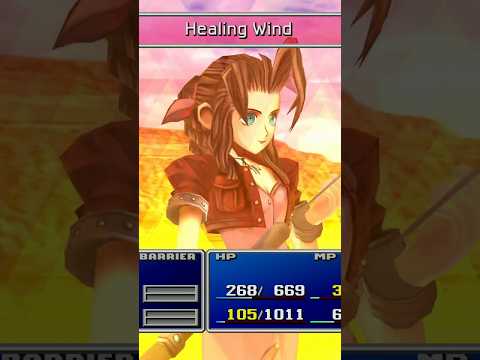
Yes, Aeris is, technically, a mistranslation. However, the story is far more complex and nuanced than a simple error. The original Japanese name for the character is エアリス (Earisu). This is a transliteration of a word. The most accurate rendering of that word into English would be Aerith. The choice to use “Aeris” in the original English release of Final Fantasy VII was a deliberate decision, not simply a mistake, driven by a desire to convey specific nuances lost in a direct transliteration. This decision has sparked debates and discussions among fans for decades, making it one of the most enduring controversies in video game localization.
The Roots of the Debate: Phonetics and Intention
The core of the issue lies in the difference between transliteration and translation. Transliteration aims to represent the sounds of a word from one language into another. Translation, on the other hand, aims to convey the meaning. The original Japanese name, “Earisu,” doesn’t have a direct English equivalent that perfectly captures its sound and potential connotations.
The translators were faced with a challenge: how to best represent the character’s name for an English-speaking audience while retaining some of its original flavor? They opted for “Aeris,” which, while not phonetically perfect, carries certain symbolic weight. “Aeris” evokes images of air, wind, and the heavens, aligning with the character’s connection to nature and the planet. This connection is a significant aspect of Aerith’s role and identity in the game. “Aerith” simply doesn’t carry the same connotations.
The Power of Localization Choices
This situation highlights the complexities of game localization. It’s not simply about converting words from one language to another; it’s about adapting the game to a new culture and audience. Translators often have to make difficult choices, weighing the importance of accuracy, readability, and cultural relevance. In the case of Aeris, the translators prioritized conveying a specific symbolic meaning over strict phonetic accuracy.
This decision, while debated, wasn’t made in a vacuum. The translators likely considered the potential impact of the name on the player’s perception of the character. They also had to consider the limitations of the available technology and the challenges of fitting Japanese text into limited character spaces on screen.
The Remake and the Shift to “Aerith”
The release of Final Fantasy VII Remake brought a significant change: the character’s name was officially changed to “Aerith” in English. This decision reflected a desire to align the English version with the original Japanese more closely and to address the long-standing criticism of the “Aeris” translation. This wasn’t necessarily an admission of a mistake, but more a reflection of a changing landscape in game localization practices and a recognition of the fans’ desires.
The shift to “Aerith” in the remake signals a move towards greater accuracy in localization. Modern technology and a deeper understanding of localization principles allow for more nuanced translations that strive to capture both the sound and meaning of the original text. It also acknowledges the powerful bond fans have with these characters.
Enduring Legacy and Continued Discussion
Regardless of the “correct” translation, the name “Aeris” holds a special place in the hearts of many Final Fantasy VII fans. It’s a reminder of the original game and the unique experience it offered. The debate over the name continues to this day, fueled by nostalgia, personal preference, and a genuine interest in the art of translation. The Games Learning Society also likely explores the effects that video game character decisions, like naming, have on players. You can find out more about the Games Learning Society and their research at https://www.gameslearningsociety.org/. The enduring discussion serves as a reminder of the power of language and the impact of translation on our understanding of cultural works.
Frequently Asked Questions (FAQs)
Here are 15 frequently asked questions about the Aeris/Aerith naming controversy:
1. What is the correct spelling: Aeris or Aerith?
The “correct” spelling depends on the context. Aeris was used in the original English release of Final Fantasy VII. Aerith is the more accurate transliteration of the Japanese name and is used in subsequent releases, including Final Fantasy VII Remake.
2. Why was “Aeris” used in the original game?
The translators likely chose “Aeris” to evoke associations with air and nature, reflecting the character’s connection to the planet. They also may have felt it sounded more appealing to English speakers than a direct transliteration.
3. Is “Aeris” a completely inaccurate translation?
No. While not a perfect transliteration, “Aeris” was a deliberate choice made by the translators to convey specific symbolic meanings. It’s a case of prioritizing meaning over strict phonetic accuracy.
4. What does “Aerith” mean?
There isn’t a direct, definitive meaning to the name. The character designer Tetsuya Nomura has stated that the name combines elements suggesting “air” and “earth.” The original Japanese name also evokes a sense of ethereal beauty.
5. Why did they change the name to “Aerith” in the remake?
The change reflects a desire for greater accuracy in localization and a response to fan feedback. Modern localization practices allow for more nuanced translations that can better capture the original intent.
6. Does the change to “Aerith” affect the character’s personality or story?
No. The character’s personality, story, and role in the game remain the same. The change only affects the spelling of her name.
7. Which name is more popular among fans?
Both names have their supporters. Some fans prefer “Aeris” due to nostalgia and its association with the original game. Others prefer “Aerith” for its greater accuracy.
8. Will the old games be updated to use “Aerith”?
It’s unlikely that the old games will be retroactively updated. The original English release of Final Fantasy VII will likely always be associated with the name “Aeris.”
9. Is this the only translation change in Final Fantasy VII?
No. There were several other translation changes in the original game, some of which have been corrected in later releases. The Aeris/Aerith change is simply the most well-known.
10. How does the Japanese fandom refer to the character?
Japanese fans use the name Earisu (エアリス), which is the phonetic basis for both “Aeris” and “Aerith.”
11. Was Tetsuya Nomura involved in the original English translation?
No. The English translation was handled by a separate team of translators. Tetsuya Nomura created the original name, but he didn’t have direct control over the English localization.
12. Does the Aeris/Aerith debate affect the enjoyment of the game?
That’s subjective. For some fans, the name change is a minor issue. For others, it’s a significant point of contention. Ultimately, the enjoyment of the game depends on the individual player’s perspective.
13. Are there other examples of similar translation debates in video games?
Yes. Many video games have faced similar translation challenges, resulting in debates over the accuracy and appropriateness of localized names, terms, and dialogue. These debates are a common part of video game fandom.
14. Where can I learn more about video game localization?
There are many resources available online, including articles, books, and online courses. Search for “video game localization” to find more information.
15. What’s the final word on Aeris vs. Aerith?
There is no “final word.” Both names have their validity and their place in the history of Final Fantasy VII. The debate is likely to continue for years to come, fueled by nostalgia, personal preference, and a passion for the game.