The Amari Legacy: Unraveling the Mother-Daughter Bond of Ana and Pharah in Overwatch
Fast answer first. Then use the tabs or video for more detail.
- Watch the video explanation below for a faster overview.
- Game mechanics may change with updates or patches.
- Use this block to get the short answer without scrolling the whole page.
- Read the FAQ section if the article has one.
- Use the table of contents to jump straight to the detailed section you need.
- Watch the video first, then skim the article for specifics.
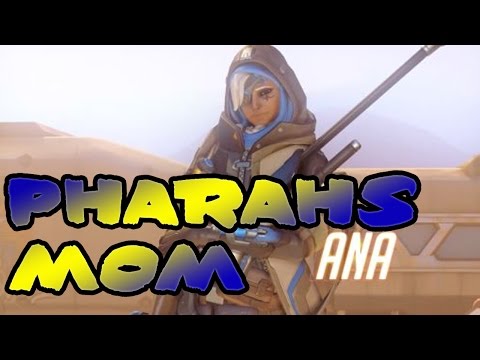
Yes, Ana Amari is indeed Pharah’s mother. This fact is a cornerstone of both characters’ narratives and a significant element within the larger Overwatch lore. Their complex relationship, marked by duty, sacrifice, and a desire for different paths, fuels much of their individual character development and interactions within the game.
Understanding the Amari Dynamic
The Amari family represents a legacy of service and dedication. Ana, a founding member of Overwatch and widely considered the world’s greatest sniper, instilled a strong sense of responsibility in her daughter, Fareeha (Pharah). However, their contrasting views on the role of Overwatch and the dangers of warfare created a rift that defined their relationship for years.
The Weight of Expectations
Pharah, inspired by her mother’s heroism, yearned to join Overwatch and follow in her footsteps. Ana, burdened by her own experiences and the trauma of war, fiercely opposed this ambition. She didn’t want her daughter to experience the same pain and loss. This difference in perspective became a major source of tension between them.
A Mother’s Sacrifice
When Ana was presumed dead during a mission against Talon, Pharah was devastated. The circumstances surrounding Ana’s “death” and her subsequent disappearance further complicated their already strained relationship. Pharah felt abandoned and robbed of the opportunity to reconcile with her mother.
Reunion and Reconciliation
The revelation that Ana was alive, operating in the shadows, and eventually rejoining the fight for good, brought a mix of relief and resentment to Pharah. Their reunion presented an opportunity for healing and understanding, allowing them to confront their past differences and forge a stronger, more supportive bond.
The Amari Legacy Continues
The story of Ana and Pharah is a poignant exploration of motherhood, duty, and the enduring power of family. Their journey highlights the sacrifices made in the name of protecting the world and the importance of bridging generational divides. The narrative encourages players to explore the intricate and often emotionally charged relationship between these two iconic characters. To learn more about the impact of games on learning and society, visit the GamesLearningSociety.org.
Frequently Asked Questions About Ana and Pharah
Here are 15 frequently asked questions to further clarify the complexities of Ana and Pharah’s story within the Overwatch universe:
1. Who shot Ana’s eye?
Widowmaker shot Ana in her eye during a mission. The Overwatch comic “Legacy” reveals that Ana hesitated to take the shot when she recognized Widowmaker (Amélie Lacroix), a hesitation that ultimately cost her dearly.
2. Why doesn’t Pharah like Ana?
It’s not accurate to say Pharah doesn’t “like” Ana. Their relationship is complex and strained due to Ana’s strict parenting and opposition to Pharah joining Overwatch. Pharah felt Ana wouldn’t be proud of her choices, especially her desire to emulate her mother’s career.
3. What is the origin of Ana Amari?
Ana is a founding member of Overwatch and a renowned sniper from Egypt. She comes from a family with a long history of military service. Presumed dead after an encounter with Talon, she resurfaced years later to continue fighting for justice.
4. Who is Ana’s husband in Overwatch?
Ana’s husband is named Sam. He is Pharah’s father. His first appearance was in the comic “Tracer: Reflections,” and his identity as Pharah’s father was later confirmed by Overwatch writer Michael Chu.
5. Is Reinhardt Pharah’s father?
No, Reinhardt is NOT Pharah’s father. Despite their close friendship and the romantic undertones in some in-game interactions, Reinhardt is not related to Pharah. Michael Chu explicitly debunked this fan theory.
6. Is Ana’s voice actress Arabic?
Yes, Ana’s voice actress, Aysha Selim, speaks both English and Arabic in the game, reflecting Ana’s Egyptian heritage.
7. When did Ana have Pharah?
Ana had Pharah when she was 28 years old.
8. Is Pharah LGBTQ?
While not explicitly stated in the main game narrative, there have been suggestions of queer representation associated with Pharah and Baptiste by some members of the development team.
9. Why does Pharah have a Native American skin?
Pharah’s “Thunderbird” skin is inspired by Indigenous Canadian culture, reflecting her father’s heritage. She is confirmed to be half-Indigenous Canadian.
10. Why did Ana abandon Pharah?
Ana did not intentionally abandon Pharah. After being shot by Widowmaker, she was presumed dead. Ana chose to stay out of the public eye during her recovery and grapple with her experiences in Overwatch, leading Pharah to believe she was dead.
11. Why did Ana hesitate to shoot Widowmaker?
Ana hesitated because she recognized Widowmaker as Amélie Lacroix, the brainwashed widow of Gérard Lacroix, a fellow Overwatch agent. This moment of hesitation proved fatal, resulting in her injury and presumed death.
12. Is Ana dead in Overwatch lore?
No, Ana is not dead. She survived the encounter with Widowmaker and has since rejoined the fight.
13. How tall is D.Va?
D.Va’s height is listed as 5’6″ (168 cm) in official Overwatch materials.
14. What race is D.Va?
D.Va (Hana Song) is of South Korean descent.
15. Is Ana a sniper in Overwatch?
Yes, Ana is a highly skilled sniper and is considered one of the best in the world within the Overwatch universe. Her sniper rifle is her primary weapon and a key part of her abilities.
By understanding these details, fans can appreciate the depth and nuance of Ana and Pharah’s relationship and their contributions to the overarching narrative of Overwatch. It’s a testament to the power of storytelling within games and how they can create compelling and relatable characters. The Games Learning Society explores how these narrative elements can be used to educate and engage players in meaningful ways.