Is Animal Crossing a Safe Game for Kids? A Parent’s Guide
Fast answer first. Then use the tabs or video for more detail.
- Watch the video explanation below for a faster overview.
- Game mechanics may change with updates or patches.
- Use this block to get the short answer without scrolling the whole page.
- Read the FAQ section if the article has one.
- Use the table of contents to jump straight to the detailed section you need.
- Watch the video first, then skim the article for specifics.
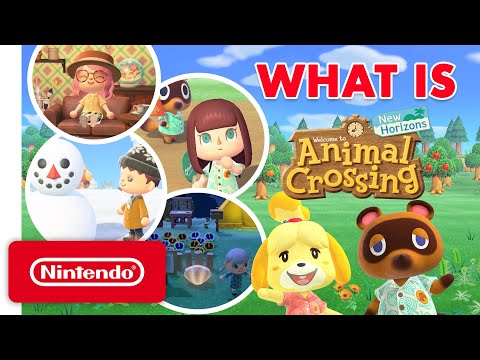
Yes, generally, Animal Crossing is considered a safe and wholesome game for kids. Its PEGI 3 rating indicates it’s suitable for players aged 3 and up, primarily due to its lack of violence, bad language, and generally stress-free gameplay. However, like any digital entertainment, potential risks exist, and parents should be aware of them. These include screen time management, potential for in-app purchases (depending on the specific game version and platform), and the importance of online safety when interacting with other players. Let’s dive deeper into what makes Animal Crossing appealing to children and the safeguards parents can implement to ensure a positive and safe gaming experience.
The Allure of Animal Crossing: Why Kids (and Adults) Love It
Animal Crossing’s popularity stems from its relaxing and engaging gameplay loop. Players arrive on a deserted island (or town, depending on the version) and gradually build a community, interacting with adorable animal villagers, crafting items, decorating their homes, and participating in various activities like fishing, bug catching, and fossil hunting. The game emphasizes creativity, social interaction, and gentle progression, making it appealing to a wide age range.
Educational and Developmental Benefits
Beyond entertainment, Animal Crossing can offer several educational and developmental benefits:
- Creativity and Imagination: The game allows for extensive customization of homes, islands, and characters, fostering creativity and imagination.
- Social Skills: Interacting with villagers and other players online (with appropriate parental controls) can help develop social skills and empathy.
- Responsibility: Caring for a virtual home, managing resources, and completing tasks can teach children responsibility.
- Problem-Solving: Figuring out how to obtain specific items, complete tasks, and manage resources can enhance problem-solving skills.
- Financial Literacy: The game involves buying, selling, and managing money (Bells), offering a gentle introduction to financial concepts.
- The Games Learning Society and their website GamesLearningSociety.org are good resources to consult.
Potential Risks and Concerns
While generally safe, several aspects of Animal Crossing require parental attention:
- Screen Time Management: The game’s addictive nature can lead to excessive screen time. Setting clear limits and encouraging other activities is crucial.
- In-App Purchases: Some versions may include in-app purchases for cosmetic items or to speed up progression. Parents should disable or restrict these purchases if they are not comfortable with their child spending real money.
- Online Interactions: If playing online, children may interact with strangers. Parents should educate their children about online safety, including not sharing personal information and reporting inappropriate behavior.
- “Best Friends” Feature: As mentioned in the original text, children should be careful about who they designate as “Best Friends” in the game, as this may grant additional in-game privileges and access.
- Time Manipulation (“Time Traveling”): While not inherently harmful, time-traveling can disrupt the game’s intended pace and potentially lead to negative consequences like weed overgrowth.
Parental Controls and Safety Measures
Fortunately, several tools and strategies can help parents mitigate these risks:
- Nintendo Switch Parental Controls: The Nintendo Switch offers robust parental control settings, including screen time limits, purchase restrictions, and communication controls.
- Monitoring Gameplay: Regularly check in with your child about their gameplay experience, asking about their interactions with villagers and other players.
- Open Communication: Encourage your child to talk to you if they encounter anything uncomfortable or confusing while playing.
- Privacy Settings: Review and adjust the game’s privacy settings to control who can see your child’s profile and interact with them.
- Game Selection: Choose age-appropriate versions of Animal Crossing. Older versions might have slightly different content or online features.
- Play Together: Consider playing Animal Crossing with your child. This allows you to monitor their gameplay and bond over a shared activity.
Animal Crossing: A Tool for Good
Ultimately, Animal Crossing can be a valuable and enjoyable experience for children when played responsibly and with appropriate parental guidance. By understanding the game’s benefits, potential risks, and available safety measures, parents can help their children navigate the world of Animal Crossing safely and maximize its positive impact.
Frequently Asked Questions (FAQs)
1. What is the official age rating for Animal Crossing: New Horizons?
Animal Crossing: New Horizons has a PEGI rating of 3, meaning it is considered suitable for children aged 3 and over. This rating is based on the game’s lack of violence, bad language, and generally positive themes.
2. Is Animal Crossing too addictive for kids?
Animal Crossing can be addictive due to its open-ended gameplay and constant stream of rewards. Setting screen time limits and encouraging other activities is essential to prevent excessive play.
3. Are there any in-app purchases in Animal Crossing?
The presence of in-app purchases depends on the specific version and platform. Animal Crossing: Pocket Camp (the mobile version) features in-app purchases, while Animal Crossing: New Horizons on the Nintendo Switch does not. Parents should check the game’s details and enable parental controls to restrict unwanted purchases.
4. Can my child interact with strangers online in Animal Crossing?
Yes, Animal Crossing: New Horizons allows players to visit each other’s islands online. Parents should educate their children about online safety and monitor their interactions.
5. What are the risks of letting my child play Animal Crossing online?
The risks of online play include potential exposure to inappropriate content, cyberbullying, and unwanted contact from strangers. Parents should emphasize the importance of not sharing personal information and reporting any negative experiences.
6. How can I control my child’s screen time while playing Animal Crossing?
The Nintendo Switch offers built-in parental control settings that allow you to set daily screen time limits and receive notifications when those limits are reached.
7. Is Animal Crossing educational?
Yes, Animal Crossing can offer several educational benefits, including fostering creativity, teaching responsibility, and developing problem-solving skills.
8. My child has autism. Is Animal Crossing a good game for them?
Animal Crossing can be beneficial for children with autism due to its predictable routines, calming gameplay, and opportunities for social interaction.
9. What is “time traveling” in Animal Crossing, and is it safe?
“Time traveling” refers to changing the Nintendo Switch’s system clock to advance or rewind time in the game. While not inherently unsafe, it can disrupt the game’s intended progression and lead to negative consequences like weed overgrowth.
10. Is there any violence in Animal Crossing?
No, Animal Crossing is generally considered a non-violent game. The closest thing to violence is hitting villagers with a bug net, which only causes them temporary annoyance.
11. Are there any scary elements in Animal Crossing?
Some players find certain aspects of Animal Crossing unsettling, such as the character Redd’s scams or the occasional eerie music. However, these elements are generally mild and not intended to be genuinely frightening.
12. What should I do if my child encounters inappropriate behavior from another player online?
Instruct your child to immediately block the offending player and report their behavior to you. You can then report the incident to Nintendo.
13. Is Animal Crossing suitable for toddlers?
While the PEGI rating is 3+, Animal Crossing may be too complex for very young children to play independently. Consider playing alongside your toddler to guide them and ensure they understand the game.
14. How can I teach my child about responsible spending in Animal Crossing?
Use the game as an opportunity to discuss budgeting, saving, and making informed purchasing decisions. Encourage your child to compare prices and prioritize their spending.
15. Where can I find more information about the benefits of video games for children?
You can find more information about the benefits of video games and learning on GamesLearningSociety.org or the website of the Games Learning Society.