Is Armored Core 6 Linear? A Deep Dive into Rubicon’s Mission Structure
Fast answer first. Then use the tabs or video for more detail.
- Watch the video explanation below for a faster overview.
- Game mechanics may change with updates or patches.
- Use this block to get the short answer without scrolling the whole page.
- Read the FAQ section if the article has one.
- Use the table of contents to jump straight to the detailed section you need.
- Watch the video first, then skim the article for specifics.
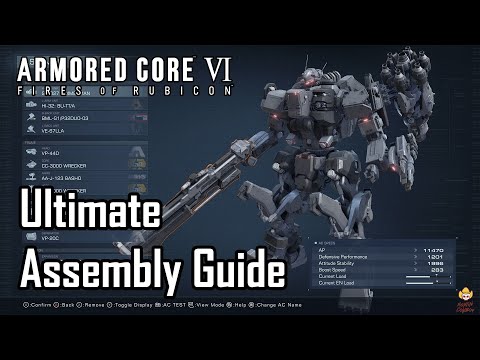
Yes, Armored Core 6: Fires of Rubicon follows a linear, mission-based structure. Unlike FromSoftware’s open-world behemoths like Elden Ring, AC6 focuses on meticulously crafted, self-contained missions offered by Handler Walter and other factions. You’ll accept assignments, complete objectives, and return to base for the next batch. While this might seem like a step back for some, it’s a deliberate design choice that harkens back to the franchise’s roots and offers a distinct gameplay experience. This structure allows for tighter narrative control, more focused level design, and a consistent sense of progression within the confines of the game’s world.
Understanding the Mission Structure of Armored Core 6
The core gameplay loop revolves around accepting missions from a central hub. These missions vary widely, including assassinations, reconnaissance, defense, and assault operations. Each mission takes place in a specific environment with defined objectives. Upon completion, you’re graded on your performance, earning money (COAM) to purchase new parts and weapons. This allows players to constantly customize their Armored Core (AC), adapting it to different mission types and playstyles. It’s this focused customization within the mission structure that sets AC6 apart.
The absence of a sprawling open world means that the game directs you towards specific objectives, ensuring a focused and intense gameplay experience. This linearity is not necessarily a limitation; it allows FromSoftware to meticulously design each encounter, create memorable set pieces, and build a strong narrative thread. Furthermore, the ability to replay missions with different loadouts and strategies adds significant depth and replayability.
Linearity vs. Open World: A Philosophical Difference
The debate between linearity and open-world design is a long-standing one in gaming. Open-world games like Elden Ring offer unparalleled freedom and exploration, allowing players to chart their own course and discover secrets at their own pace. However, this freedom can sometimes come at the cost of narrative focus and tightly designed encounters.
Linear games, on the other hand, prioritize a more curated experience. The developers have greater control over the pacing, difficulty, and story progression, allowing them to create a more deliberate and impactful narrative. Armored Core 6 leans heavily into this approach, offering a concentrated dose of mech combat and customization within a well-defined framework.
Embracing the Customization and Combat Core
The heart of Armored Core 6 lies in its deep customization system and challenging combat. The linear mission structure provides a structured environment in which to experiment with different builds and strategies. Each mission presents a unique challenge, requiring players to carefully consider their weapon loadout, armor type, and generator output. This constant cycle of customization and adaptation is incredibly engaging and rewarding.
The game isn’t easy and the boss fights can be brutally tough. Players need to understand the mechanics of their AC, the weaknesses of their enemies, and the nuances of the game’s movement system to succeed. All of this requires patience, experimentation, and a willingness to learn from failure.
Frequently Asked Questions (FAQs) about Armored Core 6
Here are some frequently asked questions regarding Armored Core 6, which will cover additional information for the readers.
Is Armored Core 6 harder than Elden Ring?
While both games present significant challenges, Elden Ring is generally considered more difficult overall. Armored Core 6 allows for more targeted customization and build optimization, which can significantly impact the difficulty of encounters.
How long does it take to beat Armored Core 6?
A rushed playthrough of the main story takes around 15-20 hours. Achieving 100% completion and experiencing all three endings requires approximately 50-60 hours.
Is Armored Core 6 a Souls-like game?
While Armored Core 6 shares some similarities with FromSoftware’s Souls titles, it’s primarily a mech action game. It borrows certain design elements, such as challenging boss fights and a focus on player skill, but it distinguishes itself through its customization system and fast-paced combat.
How many endings does Armored Core 6 have?
Armored Core 6 features three distinct endings, encouraging multiple playthroughs to fully experience the narrative.
Which Armored Core game has the best gameplay?
Many fans consider Armored Core: For Answer to have the best gameplay, due to its refined combat mechanics, expansive levels, and improved graphics.
Is Armored Core 6 an open-world game?
No, Armored Core 6 is not an open-world game. It follows a linear, mission-based structure.
Is Armored Core 6 replayable?
Yes, Armored Core 6 offers high replayability. Missions are replayable with rankings, there are multiple endings to unlock, and the deep customization system encourages experimentation.
What is the difference between Armored Core 6 and Elden Ring?
The primary difference lies in the structure. Elden Ring is an open-world RPG, while Armored Core 6 is a linear, mission-based action game. AC6 emphasizes verticality and boost management, while Elden Ring focuses on exploration and stamina management.
Is Armored Core 6 a hard game?
Armored Core 6 presents a challenge, particularly in its boss fights. However, the ability to customize your mech and optimize your build makes it easier than Elden Ring for some players.
Are all the Armored Core games connected?
Not all Armored Core games are connected. Some are direct sequels, while others are standalone stories. Armored Core 6 appears to be a standalone entry.
Is Armored Core 6 a standalone game?
Yes, Armored Core 6: Fires of Rubicon is a standalone story, not directly connected to previous entries in the series.
How many times should I play Armored Core 6?
To experience all the content and endings, you should play Armored Core 6 at least three times. New missions and story elements are unlocked in NG+ and NG++.
Is there PVP in Armored Core 6?
Yes, Armored Core 6 features player-versus-player combat, allowing players to test their customized mechs against others.
What is the hardest boss in Armored Core 6?
While difficulty is subjective, many players find the AAP07A ARQUEBUS BALTEUS to be the most challenging boss in Armored Core 6.
Will Armored Core 6 have DLC?
As of now, FromSoftware has not confirmed any DLC for Armored Core 6. However, given the company’s track record, post-launch content is a possibility.
The Legacy of Armored Core and its Return
Armored Core 6’s embrace of linearity isn’t a flaw; it’s a deliberate design choice that serves the game’s core mechanics. It emphasizes the strategic customization of your AC, forcing you to adapt and optimize for specific mission parameters. It’s a return to what made the series unique, while also incorporating lessons learned from FromSoftware’s more recent successes.
The linearity of Armored Core 6 allows for a more focused and controlled narrative, ensuring that players are constantly engaged and challenged. It provides a structured environment for experimentation and customization, rewarding players who are willing to master the game’s mechanics. Whether you prefer the freedom of open-world games or the intensity of linear experiences, Armored Core 6 offers a compelling and rewarding mech combat experience that stands apart from its contemporaries.
To further enhance the gaming experience for all players, it’s important to understand the educational aspects of gaming and game design. The Games Learning Society (GamesLearningSociety.org) promotes research and collaboration in the field of game-based learning. This allows researchers and teachers to further their knowledge.