Is Armored Core Set on Earth? Delving into the Lore of a Mech-Action Giant
Fast answer first. Then use the tabs or video for more detail.
- Watch the video explanation below for a faster overview.
- Game mechanics may change with updates or patches.
- Use this block to get the short answer without scrolling the whole page.
- Read the FAQ section if the article has one.
- Use the table of contents to jump straight to the detailed section you need.
- Watch the video first, then skim the article for specifics.
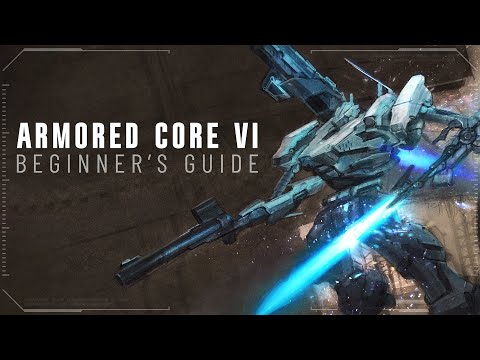
The short answer is: it depends on the game. While some Armored Core titles are explicitly set on Earth, often in a post-apocalyptic future, others take place on different planets, or have narratives that branch off into their own self-contained timelines. The series is known for its fragmented continuities and thematic consistency more than a strict, linear storyline.
Understanding the Armored Core Universe
The Armored Core franchise, a cornerstone of the mech-action genre, boasts a rich and complex lore spread across numerous games, expansions, and remakes. One of the series’ defining features is the multitude of universes and timelines within it, each presenting a unique take on the core concepts. This allows for creative freedom in storytelling, but can also lead to confusion regarding the setting of each individual game.
Earth as a Recurring Setting
Many of the earlier Armored Core titles take place on a future Earth ravaged by disaster. The original Armored Core establishes this theme, depicting a world where a cataclysmic event has forced humanity to retreat underground. Corporate warfare and the struggle for resources on the ruined surface become central to the narrative. This post-apocalyptic Earth remained a prominent setting until Armored Core 4, although the nature of the cataclysm and the specifics of the setting vary between games and timelines.
Beyond Earth: Mars and Rubicon
While Earth is a common backdrop, the Armored Core universe isn’t limited to our home planet. Armored Core 2, for instance, shifts the focus to Mars, where human colonization has taken root, only to be disrupted by conflict and political upheaval. More recently, Armored Core VI: Fires of Rubicon introduces a new setting altogether: Rubicon 3, a distant planet devastated by the explosive potential of a revolutionary energy source known as Coral. Each new planet brings its own unique history, environment, and challenges, enriching the overall lore of the franchise.
Thematic Consistency Amidst Varied Settings
Despite the diverse settings, a unifying thread runs through the Armored Core games. This includes themes of corporate dominance, the consequences of technological advancement, the moral ambiguities of war, and the silent protagonist navigating a world on the brink. Even when set on different planets, these themes provide a sense of continuity and connection between the various timelines.
Frequently Asked Questions (FAQs) about the Armored Core Setting
Here are 15 frequently asked questions to provide further insights into the setting and lore of the Armored Core franchise:
-
Does every Armored Core game take place on Earth?
No. While the earlier games often featured a post-apocalyptic Earth, titles like Armored Core 2 (Mars) and Armored Core VI: Fires of Rubicon (Rubicon 3) explore different settings.
-
Is there a single, unified Armored Core timeline?
Not really. The Armored Core series is characterized by its multiple timelines. Each game, or sometimes a group of games, establishes its own continuity with varying degrees of connection to other titles.
-
What caused the destruction of Earth in the games where it’s a post-apocalyptic setting?
The specific cause varies depending on the game and timeline. Generally, it’s referred to as a cataclysmic event or “Great Destruction” that renders the surface uninhabitable.
-
Are all the planets in Armored Core habitable by humans?
In the games where planets besides Earth are featured, they are generally habitable, or have been made habitable through terraforming or the construction of underground facilities.
-
Is Armored Core VI: Fires of Rubicon connected to any previous Armored Core games?
No. Armored Core VI: Fires of Rubicon features a completely new story, with no direct narrative connections to previous entries in the series.
-
Does the environment in Armored Core affect gameplay?
Yes, to a significant extent. The terrain, weather, and environmental hazards all play a role in mission design and combat tactics. For instance, the verticality of environments in Armored Core 6 encourages aerial combat, while underground settings might favor close-quarters engagements.
-
Do humans still exist in the Armored Core universe?
Yes. Humans are typically the pilots of the Armored Cores, often augmented with advanced neural interfaces to control their machines.
-
Are there recurring factions or corporations that appear across different Armored Core timelines?
Yes. Certain corporations, like Murakumo Millennium and Kisaragi, appear in multiple timelines, although their roles and allegiances may vary. This helps create a sense of familiarity and thematic consistency across the series.
-
Is Armored Core an open-world game?
Generally, no. While some titles, like Armored Core: For Answer, feature more expansive levels, the series primarily follows a mission-based structure, as confirmed by the game director of Armored Core 6.
-
What is Coral in Armored Core 6?
Coral is a revolutionary energy source discovered on Rubicon 3 that has the potential to advance human technology. However, it’s also highly volatile and has caused immense destruction.
-
Does the lore of Armored Core reflect real-world social or political issues?
Yes. The series often explores themes of corporate greed, the military-industrial complex, and the ethical implications of advanced technology, reflecting real-world concerns.
-
Where does Armored Core 2 take place?
Armored Core 2 takes place on Mars, following the colonization of the planet by humans. A powerful organization called the Frighteners overthrows the government, leading to conflict and rebellion.
-
How important is understanding the lore to enjoying the Armored Core games?
It’s not essential, but it certainly enhances the experience. The gameplay is enjoyable on its own, but understanding the lore adds depth and context to the missions and characters. The thematic elements explored in Armored Core can enrich gameplay similar to how learning theories help to develop better games and game-based learning experiences. Check out Games Learning Society to explore the connection between learning theories and games.
-
Is there a definitive starting point for new players looking to get into the Armored Core lore?
Due to the fragmented nature of the timeline, there’s no single “best” starting point. Each game offers a self-contained experience, allowing newcomers to jump in at any point. Armored Core VI: Fires of Rubicon is a good starting point, since it doesn’t depend on any of the prior games.
-
How does the technology in Armored Core contribute to the setting?
The advanced technology, particularly the Armored Cores themselves and the neural interfaces used to control them, are integral to the setting. They define the capabilities of the characters, the nature of warfare, and the power dynamics within the various worlds.
Conclusion: A Universe of Possibilities
The question of whether Armored Core is set on Earth ultimately highlights the richness and complexity of the franchise’s lore. While some games are firmly rooted in a post-apocalyptic Earth, others venture to Mars or introduce entirely new worlds like Rubicon 3. This diversity, coupled with consistent thematic elements, ensures that the Armored Core universe remains a compelling and engaging space for mech-action enthusiasts. Exploring the unique characteristics of each planet and their role in defining the story are all ways for players to immerse themselves in the game.