Is Artificer a Hard Class to Play? A Comprehensive Guide
Fast answer first. Then use the tabs or video for more detail.
- Watch the video explanation below for a faster overview.
- Game mechanics may change with updates or patches.
- Use this block to get the short answer without scrolling the whole page.
- Read the FAQ section if the article has one.
- Use the table of contents to jump straight to the detailed section you need.
- Watch the video first, then skim the article for specifics.
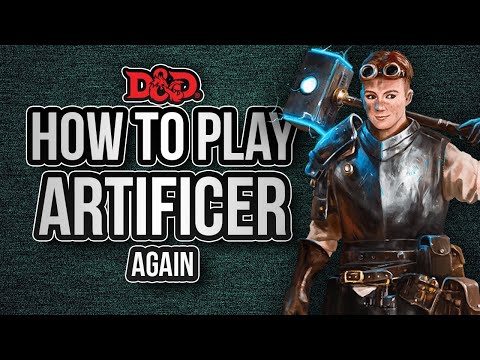
Yes, the Artificer can be a challenging class to play, particularly for new players to Dungeons & Dragons 5th Edition. The complexity stems from its half-caster status, reliance on magical infusions, diverse subclass options, and the general need for a strong understanding of D&D’s core mechanics. However, with careful planning, dedicated study, and a strategic approach, players can successfully navigate the Artificer’s intricacies and unlock its immense potential.
Understanding the Artificer’s Complexity
The Artificer deviates significantly from more straightforward classes like the Champion Fighter or even some of the simpler spellcasting classes. Here’s a breakdown of what makes the Artificer a potentially difficult class to master:
-
Half-Caster Spellcasting: Artificers are half-casters, meaning they gain spells at half the rate of full casters like Wizards or Clerics. This requires careful spell selection and strategic resource management. Knowing which spells to prioritize and when to use them is crucial.
-
Infusions: The Artificer’s Infusions are a core mechanic that sets them apart. However, they require meticulous planning and tracking. You must choose which items to infuse, which infusions to apply, and remember the specific effects of each. These infusions can change daily, adding another layer of complexity.
-
Subclass Diversity: While subclass diversity is a boon, it also means more to learn. Each Artificer subclass (Alchemist, Artillerist, Battle Smith, Armorer) significantly alters the playstyle and tactical considerations. Selecting the right subclass for your preferred role is paramount.
-
Intelligence Dependence: The Artificer is heavily reliant on Intelligence. Your spellcasting ability, Infusion saving throw DCs, and various class features all key off your Intelligence score. A low Intelligence score will severely hinder your effectiveness.
-
Magical Item Focus: While all classes can use magic items, the Artificer relies on them as a core component of their power. A lack of understanding of how magic items function and interact can leave an Artificer feeling underpowered.
-
Resource Management: Artificers must juggle spell slots, infusions, and potentially even their Homunculus Servant or Battle Smith’s Steel Defender. Efficient resource management is key to maximizing their effectiveness across a long adventuring day.
Navigating the Learning Curve
Despite the challenges, the Artificer is a rewarding class to play. Here are some tips for overcoming the learning curve:
-
Start Simple: If you’re new to the class, consider starting with the Artillerist subclass. It is generally considered the most straightforward option, offering clear, consistent damage output with its Eldritch Cannon.
-
Master the Infusions: Dedicate time to understand each Infusion available to you. Create a cheat sheet or use a character builder app to track your active infusions and their effects.
-
Focus on Core Spells: Don’t try to learn every spell immediately. Focus on a few key spells that synergize with your subclass and playstyle.
-
Utilize Character Builders: Tools like D&D Beyond or other character builders can help you track your infusions, spells, and resources, simplifying the management aspect of the class.
-
Collaborate with Your DM: Don’t be afraid to ask your DM for clarification on rules or rulings related to your Artificer. They can provide valuable guidance and help you understand the nuances of the class.
-
Practice Makes Perfect: The best way to learn the Artificer is to play it. Experiment with different builds, infusions, and spells to find what works best for you. The Games Learning Society promotes the use of games, like D&D, for learning, and playing the Artificer class certainly exemplifies this.
Frequently Asked Questions (FAQs)
Here are 15 frequently asked questions about playing the Artificer class in D&D 5e:
1. Is the Artificer a good class for beginners?
No, the Artificer is generally not recommended for beginners due to its complex mechanics and reliance on understanding D&D’s core rules. However, the Artillerist subclass is a slightly more accessible starting point.
2. Which Artificer subclass is the easiest to play?
The Artillerist subclass is often considered the easiest to play, offering a more straightforward approach with its Eldritch Cannon providing consistent damage and battlefield control.
3. What ability score is most important for an Artificer?
Intelligence is the most important ability score for an Artificer. It determines their spellcasting ability, Infusion saving throw DCs, and the effectiveness of many class features.
4. What races make good Artificers?
Excellent racial choices for Artificers include Mark of Making Human, High Elf, Gnome, Warforged, and Variant Human. These races offer bonuses to Intelligence or other helpful abilities.
5. What are Artificer Infusions?
Artificer Infusions are magical enhancements that Artificers can apply to mundane items, imbuing them with magical properties. These infusions can enhance weapons, armor, tools, and other objects, providing various benefits.
6. Can Artificers create magical weapons?
Yes, Artificers can create magical weapons through their Infusions. They can enhance existing weapons with effects like increased damage, elemental properties, or other magical benefits.
7. Do Artificers need to be good at crafting?
While proficiency in artisan’s tools is beneficial and thematically appropriate, it is not strictly required to play an Artificer effectively. The Infusions provide the primary means of creating magical items.
8. Can an Artificer multi-class effectively?
Yes, Artificers can multi-class effectively, particularly with classes like Wizard (for expanded spellcasting), Fighter (for martial prowess), or Rogue (for skills and utility).
9. What is the best feat for an Artificer?
Good feat choices for Artificers include Resilient (Constitution), War Caster, Observant, and feats that grant proficiency with heavier armor (if you need it).
10. Can Artificers make guns?
The rules are ambiguous, but it is entirely reasonable for an Artificer to create or modify firearms, especially if the campaign setting includes them. Work with your DM to determine the specific mechanics.
11. How does the Artificer’s Flash of Genius work?
Flash of Genius allows you to use your reaction to add your Intelligence modifier to an ability check or saving throw made by yourself or an ally within 30 feet. This is a powerful tool for supporting your party.
12. What is the purpose of the Artificer’s Spell-Storing Item?
Spell-Storing Item allows the Artificer to store a spell of 1st or 2nd level in an object. Another creature can then use an action to activate the item and cast the spell, using your spellcasting ability. This can be used to provide powerful support options to party members.
13. Is the Artificer a good damage dealer?
The Artificer can be a capable damage dealer, especially the Artillerist and Armorer subclasses. However, their damage output may not be as consistently high as dedicated damage-dealing classes like Fighters or Rogues.
14. What kind of role does the Artificer typically fill in a party?
The Artificer is incredibly versatile and can fill various roles, including damage dealer, support caster, healer, and utility specialist. Their ability to customize their abilities and gear makes them adaptable to any situation.
15. How does an Artificer acquire new infusions?
Artificers gain new Infusions as they level up in the Artificer class. They can choose from a list of available Infusions, and they can replace existing Infusions with new ones each time they level up. Remember to GamesLearningSociety.org to learn more about how games enhance learning.