Atomic Heart: A Satirical Soviet Dream or a Propaganda Nightmare?
Fast answer first. Then use the tabs or video for more detail.
- Watch the video explanation below for a faster overview.
- Game mechanics may change with updates or patches.
- Use this block to get the short answer without scrolling the whole page.
- Read the FAQ section if the article has one.
- Use the table of contents to jump straight to the detailed section you need.
- Watch the video first, then skim the article for specifics.
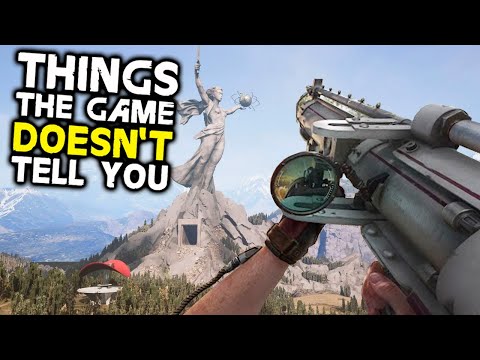
Yes, Atomic Heart possesses undeniable satirical elements, although the effectiveness and intent of that satire are hotly debated. The game lampoons aspects of authoritarianism, the blind faith in technological progress, and even the tropes of the first-person shooter genre itself. However, this satire is often muddied by a complex (and some would say, problematic) portrayal of the Soviet Union, leading to accusations of glorification and historical distortion.
Deciphering the Satire in a Retro-Futuristic USSR
Atomic Heart presents a visually stunning, albeit unsettling, vision of an alternative 1950s Soviet Union. This is not the grim reality of Stalinist purges and economic hardship, but a gleaming utopia powered by advanced technology and unwavering communist ideals. Robots perform menial labor, minds are connected through a neural network, and advancements in biomechanics blur the line between man and machine. It’s this exaggerated, idealized depiction that forms the foundation of the game’s potential satire.
The satirical elements manifest in several ways:
-
Exaggerated Propaganda: The game world is plastered with posters and slogans promoting the wonders of Soviet technology and the virtues of collectivism. These are often over-the-top and absurd, highlighting the manipulative nature of propaganda and the absurdity of blindly following ideology.
-
Flawed Utopian Vision: Despite the surface-level perfection, cracks begin to appear in the Soviet utopia. The robots malfunction, the neural network has unforeseen consequences, and the promise of a carefree life is revealed to be a carefully constructed illusion. This exposes the inherent flaws in utopian ideals and the dangers of unchecked technological advancement.
-
Character Archetypes: The game’s characters often embody satirical tropes. Major Nechaev, the protagonist, is a loyal but ultimately flawed soldier, blindly following orders and grappling with his own past. Other characters represent different facets of Soviet society, from the ambitious scientist to the devoted party member, often portrayed with a degree of caricature.
-
Self-Aware Humor: Atomic Heart doesn’t shy away from self-referential humor and nods to other games in the genre. The game often pokes fun at the conventions of first-person shooters, such as collecting resources, crafting weapons, and battling waves of enemies. This adds another layer of satire, highlighting the often-absurd nature of video game mechanics.
The Controversy: Is It Satire or Glorification?
The biggest point of contention surrounding Atomic Heart is whether its satirical intent outweighs the potential for glorifying the Soviet Union. Critics argue that the game’s aesthetic, steeped in communist imagery, and its sympathetic portrayal of certain characters, ultimately romanticize a regime responsible for immense suffering.
The accusations of propaganda stem from several factors:
-
Utopian Depiction: The game’s portrayal of the Soviet Union as a technologically advanced utopia ignores the historical realities of oppression, poverty, and political persecution.
-
Lack of Critical Commentary: While the game does present some negative aspects of the Soviet system, critics argue that it doesn’t go far enough in condemning the regime’s crimes.
-
Association with Russia: The developer’s alleged ties to Russian entities, particularly Gazprom, have fueled suspicions that the game is a subtle attempt to rehabilitate the image of the Soviet Union.
The debate boils down to whether the game is effectively using satire to critique the Soviet system or inadvertently reinforcing harmful stereotypes and historical distortions. The answer likely lies in the eye of the beholder, with different players interpreting the game’s themes and messages in different ways.
Ultimately, Atomic Heart’s success as satire is debatable. Its bold visuals and engaging gameplay are undeniable, but its ambiguous political message and potential for misinterpretation raise serious concerns. Players should approach the game with a critical eye, considering the historical context and the potential for unintended consequences.
Frequently Asked Questions (FAQs)
1. What type of game is Atomic Heart?
Atomic Heart is a first-person shooter (FPS) with role-playing game (RPG) elements. The game focuses on combat, exploration, and character progression.
2. Is Atomic Heart similar to BioShock?
Yes, Atomic Heart has drawn many comparisons to BioShock due to its alternate history setting, first-person perspective, and use of special abilities. However, Atomic Heart also incorporates elements from other games, such as Wolfenstein and Fallout.
3. What are the main controversies surrounding Atomic Heart?
The main controversies include accusations of distorting history by portraying the Soviet Union in a positive light, alleged links to Russian entities, and the game’s availability despite the ongoing conflict in Ukraine.
4. Has Ukraine called for a ban on Atomic Heart?
Yes, Ukraine has requested that Sony, Microsoft, and Valve ban Atomic Heart from their digital storefronts due to the developer’s alleged ties to Russian state-owned corporations.
5. Is Atomic Heart suitable for children?
No, Atomic Heart is not suitable for children. The game contains violence, gore, and mature themes.
6. Is the story in Atomic Heart confusing?
Some players have found the story in Atomic Heart to be confusing and disjointed, criticizing its lack of context and nonsensical plot points.
7. What are the gameplay mechanics like in Atomic Heart?
The gameplay in Atomic Heart involves shooting, melee combat, crafting, and puzzle solving. Players explore a large open world and battle a variety of enemies, including robots and mutants.
8. Is Atomic Heart a difficult game?
Atomic Heart can be challenging, especially in the early stages. Players need to learn the enemy patterns and utilize the game’s crafting and upgrade systems to succeed.
9. Does Atomic Heart collect user data?
The developer, Mundfish, claims that Atomic Heart does not collect user data and that previous privacy statements on their website were outdated and incorrect.
10. Is Atomic Heart worth playing?
Whether Atomic Heart is worth playing is subjective and depends on individual preferences. The game has received mixed reviews, with some praising its visuals and gameplay, while others criticizing its story and political undertones.
11. Who developed Atomic Heart?
Atomic Heart was developed by Mundfish, a studio with ties to Russia, which is a Hungarian video game developer and publisher headquartered in Budapest.
12. Is Atomic Heart communist propaganda?
Whether Atomic Heart is communist propaganda is a matter of debate. Some argue that the game’s idealized portrayal of the Soviet Union promotes communist ideology, while others believe it is a satirical critique of authoritarianism.
13. Are there sexualized elements in Atomic Heart?
While Atomic Heart contains swearing and some suggestive character designs, there is no explicit sexual content.
14. Is Atomic Heart open world?
Yes, Atomic Heart features a large, open world that players can explore. However, some critics have found the open world to be pointless due to repetitive enemy encounters.
15. Where can I learn more about the impact of games on society?
You can explore the research and discussions at the Games Learning Society, an organization dedicated to understanding the educational and social impact of games. Visit their website at GamesLearningSociety.org to delve deeper into the world of games and their role in shaping our understanding of the world.
This article is intended for informational purposes and reflects common opinions and reviews regarding the game Atomic Heart.