Is Claw Grip Best for FPS? Unveiling the Truth Behind Mouse Grips
Fast answer first. Then use the tabs or video for more detail.
- Watch the video explanation below for a faster overview.
- Game mechanics may change with updates or patches.
- Use this block to get the short answer without scrolling the whole page.
- Read the FAQ section if the article has one.
- Use the table of contents to jump straight to the detailed section you need.
- Watch the video first, then skim the article for specifics.
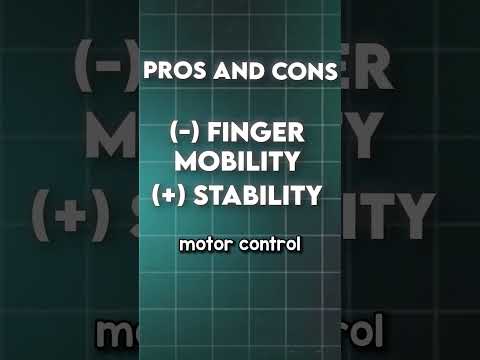
The short answer? No, claw grip isn’t definitively best for all First-Person Shooter (FPS) games, but it’s often optimal for many. The ideal mouse grip is a complex interplay of personal preference, hand size, mouse shape, and the specific demands of the game. While claw grip offers advantages like enhanced precision and faster click actuation, other grips might suit different players better. Let’s dive deeper into the nuances of mouse grips and their impact on FPS performance.
Understanding Mouse Grips: A Gamer’s Arsenal
Before declaring any grip supreme, it’s crucial to understand the primary mouse grip styles and their characteristics:
- Palm Grip: The entire hand rests on the mouse. This provides maximum stability and comfort for long sessions but can sacrifice fine motor control and speed.
- Claw Grip: The palm rests only partially on the mouse, with fingers arched like a claw. This offers a balance of stability and control, enabling quicker clicks and more precise movements.
- Fingertip Grip: Only the fingertips touch the mouse, providing maximum agility and speed but potentially lacking in stability and requiring significant finger strength.
- Hybrid Grips: Many players naturally adopt hybrid grips, blending elements of the primary styles to suit their individual needs.
Why Claw Grip is Popular in FPS: The Advantages
The claw grip’s popularity in FPS circles stems from several key advantages:
- Enhanced Click Speed: The arched finger position allows for faster and more responsive clicks, crucial for rapid-fire weapons and quick reactions.
- Improved Precision: The ability to make micro-adjustments with the fingers provides greater accuracy, especially important for aiming at small or fast-moving targets.
- Balance of Stability and Control: Unlike fingertip grip, claw grip offers a degree of palm support, preventing excessive fatigue and maintaining stability during intense gameplay.
- Agility for Quick Movements: The lifted palm allows for swift mouse movements, essential for tracking targets and navigating fast-paced environments.
Claw Grip: The Potential Drawbacks
Despite its advantages, claw grip isn’t a universally perfect solution. Potential downsides include:
- Hand Fatigue: The constant tension in the fingers and wrist can lead to fatigue, especially during prolonged gaming sessions.
- Strain Injuries: Improper technique or inadequate hand support can increase the risk of repetitive strain injuries (RSIs).
- Mouse Compatibility: Not all mice are designed for claw grip. A mouse that’s too large or too small can be uncomfortable and hinder performance.
- Steep Learning Curve: Mastering claw grip requires practice and adapting to a different hand position.
The Importance of Mouse Shape and Size
The shape and size of your mouse play a vital role in how comfortably and effectively you can utilize a particular grip.
- Ergonomic Mice: Designed to fit the natural contours of the hand, ergonomic mice can reduce strain and improve comfort, especially for palm grip users.
- Ambidextrous Mice: Symmetrical designs suitable for both left- and right-handed users. While versatile, they might not offer the same level of ergonomic support as dedicated right-handed mice.
- Lightweight Mice: Becoming increasingly popular, lightweight mice require less force to move, potentially reducing fatigue and improving responsiveness.
- Small Mice: Often preferred by claw and fingertip grip users due to their maneuverability and suitability for smaller hands.
- Large Mice: Typically favored by palm grip users for their ample support and stability.
Beyond Claw: Exploring Alternative Grips in FPS
While claw grip is a strong contender, other grip styles can be equally effective depending on the game and player:
- Palm Grip for Tactical Shooters: The stability provided by palm grip can be advantageous in tactical shooters where precision and deliberate movements are paramount.
- Fingertip Grip for High-Sensitivity Play: Fingertip grip excels in situations where rapid, twitch-based reactions are crucial, particularly with high sensitivity settings.
- Hybrid Grips: Tailoring to Your Needs: Many professional gamers utilize hybrid grips, fine-tuning their hand position to optimize specific aspects of their gameplay.
Frequently Asked Questions (FAQs) about Mouse Grips and FPS
1. What is the best mouse grip for beginners in FPS?
There is no single ‘best’ for beginners. Experiment with all three primary grips – palm, claw, and fingertip – to see what feels most comfortable and natural. Focus on a grip that allows for accurate aiming and comfortable movement without causing strain.
2. How do I know if my mouse is suitable for claw grip?
A claw grip-suitable mouse typically has a shorter length and a raised back hump that fits comfortably in the palm without requiring full contact. Consider mice designed for claw or fingertip grips, as they are often smaller and more maneuverable.
3. Can hand size affect the optimal mouse grip?
Absolutely. Smaller hands often benefit from claw or fingertip grips with smaller mice, while larger hands may find palm grip more comfortable with larger mice.
4. Is it possible to switch mouse grips mid-game?
While possible, it’s not recommended. Developing muscle memory for a specific grip is crucial for consistent performance. Switching grips mid-game will likely lead to decreased accuracy and slower reaction times.
5. How can I improve my aim with claw grip?
Practice consistently with your chosen mouse and grip. Focus on smooth, controlled movements rather than jerky flicks. Adjust your sensitivity settings until you find a balance between speed and accuracy. Aim trainers and in-game practice are invaluable.
6. Does mouse weight influence the effectiveness of different grips?
Yes. Lighter mice are often preferred for claw and fingertip grips, as they require less force to move and allow for quicker reactions. Heavier mice can provide more stability for palm grip users.
7. What are the signs of an unhealthy mouse grip?
Pain, numbness, tingling, or fatigue in your hand, wrist, or forearm are signs that your mouse grip may be unhealthy. Adjust your grip, mouse, and posture to alleviate these symptoms.
8. How important is mouse DPI (dots per inch) in relation to grip style?
DPI settings directly impact how much your cursor moves with physical mouse movement. Lower DPIs often pair well with palm grip for controlled, deliberate aiming, while higher DPIs can suit claw or fingertip grip for quick, reactive movements. Experiment to find your optimal DPI.
9. Are ergonomic mice worth the investment for FPS gaming?
Ergonomic mice can be beneficial for reducing strain and improving comfort, especially for long gaming sessions. However, they may not always prioritize agility and responsiveness. Evaluate your priorities and choose accordingly.
10. How often should I clean my mouse?
Regular cleaning is essential to maintain performance and hygiene. Clean your mouse at least once a week to remove dust, debris, and oils that can interfere with sensor tracking and button clicks.
11. What is the best posture for gaming with a mouse?
Maintain good posture by sitting upright with your shoulders relaxed and your wrists straight. Avoid slouching or hunching over, as this can contribute to discomfort and injuries.
12. Can software settings affect how a mouse grip feels?
Yes, adjusting software settings like sensitivity, acceleration, and polling rate can significantly impact the feel of a mouse grip. Experiment with these settings to optimize your experience.
13. Is claw grip better for certain FPS games over others?
Claw grip shines in fast-paced FPS games that demand quick reactions and precise aim, such as Counter-Strike: Global Offensive or Valorant. However, palm grip might be more suitable for tactical shooters like Rainbow Six Siege where stability and deliberate movements are key.
14. How long does it take to get used to a new mouse grip?
The adaptation period varies depending on individual factors like hand size, prior experience, and practice frequency. It can take anywhere from a few days to a few weeks to fully adjust to a new mouse grip.
15. Where can I learn more about the science of gaming and esports?
The Games Learning Society offers valuable resources and research on the intersection of games, learning, and performance. You can explore their website at https://www.gameslearningsociety.org/ for in-depth articles, studies, and insights.
Conclusion: Finding Your Perfect Grip
Ultimately, the “best” mouse grip for FPS is a highly personal choice. Experiment with different styles, consider your hand size and mouse shape, and prioritize comfort and performance. Don’t be afraid to deviate from conventional wisdom and discover what works best for you. The key is to find a grip that allows you to aim accurately, react quickly, and play comfortably for extended periods.