Is Crunchyroll Blocked in Russia? A Deep Dive into Anime Censorship and Availability
Fast answer first. Then use the tabs or video for more detail.
- Watch the video explanation below for a faster overview.
- Game mechanics may change with updates or patches.
- Use this block to get the short answer without scrolling the whole page.
- Read the FAQ section if the article has one.
- Use the table of contents to jump straight to the detailed section you need.
- Watch the video first, then skim the article for specifics.
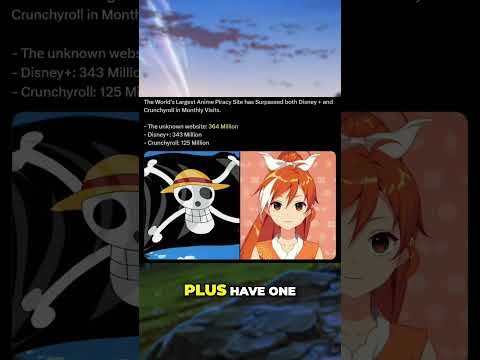
Yes, Crunchyroll is effectively blocked in Russia. Following the Russian military invasion of Ukraine, Crunchyroll announced on March 11, 2022, that it would halt services in Russia, effectively shutting down operations of Wakanim and Crunchyroll EMEA in alignment with global sanctions. This means the Crunchyroll website and its streaming services are no longer accessible within the Russian Federation. The situation is complex, interwoven with political tensions, censorship concerns, and the broader landscape of anime availability within the country.
The Backdrop: Anime Censorship in Russia
The blocking of Crunchyroll is just one piece of a much larger puzzle concerning the availability and acceptability of anime in Russia. Over recent years, the Russian government, particularly through the Prosecutor’s Office of Saint Petersburg, has increased its scrutiny and censorship of anime. This censorship is often justified by concerns about the potential negative influence of anime on children and teenagers. These concerns range from violent content to themes deemed to contradict traditional Russian values.
The crackdown has resulted in the banning of several popular anime titles, including but not limited to “Death Note,” “Tokyo Ghoul,” and “Inuyashiki.” The reasoning cited in court rulings often revolves around the idea that these anime series contain scenes of violence, suicide, or other themes that could inspire impressionable young viewers to mimic the on-screen actions. In some instances, the very premise of an anime, such as the concept of reincarnation in Isekai anime, has been seen as conflicting with traditional values and thus grounds for a ban.
Sony Pictures Entertainment, which owns Crunchyroll, had previously suspended theatrical releases in the region. The fact that the Crunchyroll website no longer functions in Russia underscores the solidified stance of the company in response to the ongoing conflict.
The Implications: What Does This Mean for Russian Anime Fans?
The blocking of Crunchyroll leaves Russian anime fans with significantly fewer legal options for accessing their favorite shows. While some might consider using VPNs (Virtual Private Networks) to circumvent these blocks, streaming providers like Crunchyroll often actively block VPN streams whenever possible. They achieve this by identifying and blacklisting IP addresses associated with VPN services. While some VPNs offer unblocked IP addresses that allow users to stream without detection, it is not a foolproof solution, and the effort to stay ahead of these blocks is ongoing.
The Russian government’s tightening grip on content extends beyond Crunchyroll, impacting platforms like YouTube, Rutube, and other video-sharing sites. Content deemed unsuitable can be removed, further limiting access to anime. This creates a challenging situation for anime enthusiasts who are now reliant on potentially unreliable or even illegal sources to satisfy their anime cravings. Understanding these limitations is crucial for anyone researching the availability of anime in Russia.
FAQs: Your Questions Answered
Here are 15 frequently asked questions that delve deeper into the situation:
-
Is anime completely banned in Russia? No, but the situation is complex. Certain anime titles are banned by court order due to concerns about their content, while access to streaming services like Crunchyroll has been restricted.
-
Why did Russia ban specific anime like “Death Note”? These bans are often justified by concerns that the content, such as scenes of violence, suicide, or depictions of death gods, could negatively influence young viewers.
-
What is an Isekai anime, and why was it banned? Isekai anime typically involves a protagonist being transported to another world. Some titles have been banned due to their portrayal of reincarnation and a life free from parental authority, which the Russian courts found objectionable.
-
Is it legal to watch anime in Russia using a VPN? While using a VPN is not explicitly illegal in Russia (at the time of this writing), circumventing content restrictions imposed by the government could have legal repercussions. Furthermore, Crunchyroll actively tries to block VPN usage.
-
What other anime are known to be banned in Russia? Besides “Death Note,” “Tokyo Ghoul,” and “Inuyashiki,” other anime titles have faced scrutiny and potential bans, though the specific list can vary and evolve. “Attack on Titan” (AOT) has also faced challenges.
-
Are Russian streaming services offering anime as alternatives to Crunchyroll? While some Russian streaming services may offer anime content, their selection is often limited compared to Crunchyroll’s extensive library.
-
Does the ban on Crunchyroll affect the availability of manga in Russia? Yes, as Crunchyroll also offers manga services, the block impacts access to digital manga content as well.
-
What role does censorship play in the Russian anime market? Censorship plays a significant role, as the government actively monitors and restricts content it deems harmful or conflicting with traditional values.
-
Are there any specific themes or genres of anime that are more likely to be censored in Russia? Anime with excessive violence, depictions of suicide, or themes that challenge traditional family values are more likely to face censorship.
-
How has the war in Ukraine impacted the availability of anime in Russia? The war has led to sanctions and the withdrawal of several international companies, including Crunchyroll, further limiting access to anime content.
-
Is anime banned in China as well? Yes, China also has strict censorship policies regarding anime, particularly those with violent or sexually suggestive content. Blood-C, for example, has been banned.
-
Why is “My Hero Academia” (MHA) banned in China? MHA faced backlash due to a character named Maruta Shiga, whose name was seen as a reference to Chinese and Korean victims of human experimentation during World War II.
-
What anime is banned worldwide? “Shoujo Tsubaki” is banned in many countries due to its extremely disturbing content, including portrayals of child abuse and sexual assault.
-
Is Netflix blocked in Russia? Netflix is no longer officially available in Russia. However, similar to Crunchyroll, users can attempt to access it through VPNs.
-
How does Crunchyroll decide which regions to block? Crunchyroll blocks regions primarily due to licensing agreements and legal restrictions. However, political and geopolitical events, such as the war in Ukraine, can also influence their decisions.
The Future of Anime in Russia
The future of anime availability in Russia remains uncertain. The government’s censorship policies, coupled with the ongoing geopolitical tensions, present significant challenges. While VPNs offer a potential workaround, they are not a reliable long-term solution. The situation highlights the complex interplay between entertainment, politics, and cultural values. Understanding these dynamics is essential for navigating the world of anime in a constantly changing global landscape.
For those interested in exploring the broader implications of media and culture in a global context, the Games Learning Society is a valuable resource. This organization explores the educational potential of games and interactive media, providing insights into how they can be used for learning and social change. You can explore their work at GamesLearningSociety.org.
The ongoing situation with Crunchyroll and anime in Russia serves as a potent reminder of the power of media to shape perceptions and influence cultural values, as well as the increasing importance of understanding these dynamics in a globalized world.