Daedalus: Mortal Man or Divine Being? Unraveling the Myth
Fast answer first. Then use the tabs or video for more detail.
- Watch the video explanation below for a faster overview.
- Game mechanics may change with updates or patches.
- Use this block to get the short answer without scrolling the whole page.
- Read the FAQ section if the article has one.
- Use the table of contents to jump straight to the detailed section you need.
- Watch the video first, then skim the article for specifics.
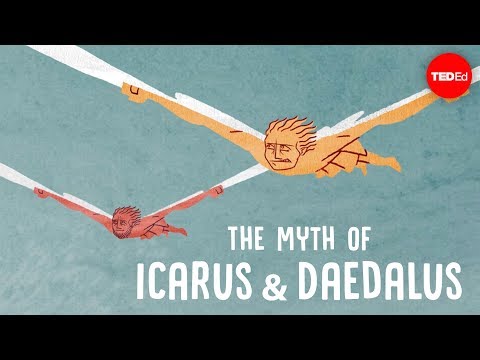
Daedalus was not a god. He was a highly skilled mortal architect and craftsman in Greek mythology, renowned for his ingenuity and inventiveness. While his creations often possessed a seemingly divine quality, and some accounts link him to the gods through parentage or blessing, he ultimately remained within the realm of humanity, facing mortal limitations and consequences.
The Master Craftsman of Myth
Daedalus’s legacy stems from his exceptional abilities and the iconic creations attributed to him. He stands as a symbol of human ingenuity, skill, and the complex relationship between mortals and the divine. His story is filled with ambition, loss, and the constant tension between innovation and the consequences that innovation can bring.
Daedalus: The Architect of Legends
-
The Labyrinth: Daedalus is most famous for designing and constructing the Labyrinth for King Minos of Crete, a complex maze designed to imprison the Minotaur. The Labyrinth’s intricate design was so complex that even Daedalus himself barely escaped!
-
Automatons: Beyond architecture, Daedalus was credited with creating automatons, or mechanical beings that appeared to move on their own. This further cemented his image as a master inventor pushing the boundaries of what was considered possible for a mortal.
-
Wings for Flight: Perhaps his most iconic invention was the wings made of feathers and wax, which he fashioned for himself and his son, Icarus, to escape Crete. This daring attempt at flight, and Icarus’s tragic demise, serves as a powerful cautionary tale.
Key Characteristics of Daedalus
- Ingenious: His skill in architecture, craftsmanship, and invention was unmatched.
- Ambitious: He constantly sought to create and innovate, often pushing the limits of what was possible.
- Flawed: His jealousy and actions led to tragic consequences, highlighting the complexities of human nature.
- Resourceful: He was able to overcome obstacles through his cleverness and skills.
- Mortal: He experienced loss, faced punishment, and ultimately lived a finite life.
While some versions of the myth suggest Daedalus had some ties to Gods and Goddesses, he was never an immortal or a fully fledged God himself.
Daedalus and the Gods
While Daedalus was not a god, he did have interactions and relationships with the divine. Certain accounts identify him as a demigod (the son of Athena). These connections, while noteworthy, do not elevate him to the status of a deity. Even with Athena’s patronage, Daedalus was still a mortal, bound by mortal rules.
The Athena Connection
Some stories claim Daedalus was a son of Athena, the goddess of wisdom and crafts. This would make him a demigod, granting him certain advantages and talents. Athena’s blessing could explain his exceptional skills and ingenuity.
Punishment and Divine Justice
The gods certainly played a role in his life, most notably in the punishment he received for the murder of Perdix. The death of Icarus is frequently interpreted as a consequence of Daedalus’s hubris or a divine retribution for his earlier transgression.
Daedalus: A Timeless Figure
Daedalus’s story continues to resonate because it explores fundamental human themes: creativity, ambition, the pursuit of knowledge, and the consequences of our actions. His legacy lives on through art, literature, and the ongoing exploration of his myth.
Frequently Asked Questions (FAQs) About Daedalus
-
Was Daedalus a Greek god or a mortal? Daedalus was a mortal man in Greek mythology. He was a renowned architect, inventor, and craftsman but not a deity.
-
What was Daedalus famous for? He was most famous for constructing the Labyrinth for King Minos of Crete, building automatons, and creating wings made of feathers and wax to escape Crete with his son Icarus.
-
Was Daedalus a demigod? In some accounts, Daedalus is described as a demigod, the son of Athena, which could explain his exceptional talents. However, this is not a universally accepted part of the myth.
-
Who was Icarus, and what happened to him? Icarus was Daedalus’s son. He died during their escape from Crete when he flew too close to the sun, melting the wax in his wings, causing him to fall into the sea and drown.
-
Why did Daedalus build the Labyrinth? Daedalus built the Labyrinth for King Minos of Crete to imprison the Minotaur, a creature that was half-man, half-bull.
-
What was Daedalus’s relationship with King Minos? Daedalus was employed by King Minos as an architect and craftsman in Crete. However, their relationship soured when Daedalus helped Minos’s wife, Pasiphae, conceive the Minotaur, and later, when Daedalus attempted to leave Crete.
-
How did Daedalus escape from Crete? Daedalus escaped Crete by building wings made of feathers and wax for himself and Icarus. They flew away from the island, but Icarus’s disobedience led to his death.
-
Why was Daedalus punished? Daedalus was punished for the murder of his nephew Perdix, whom he killed out of jealousy for his talent. The loss of Icarus can also be seen as a form of divine retribution.
-
Who was Perdix, and why did Daedalus kill him? Perdix (also known as Talos in some versions) was Daedalus’s talented nephew and apprentice. Daedalus killed him out of jealousy when Perdix invented the saw and the compass.
-
What happened to Daedalus after Icarus died? After burying Icarus, Daedalus fled to Sicily, where he was welcomed by King Cocalus. He continued to work as an architect and inventor in Sicily.
-
Did Daedalus have any other famous inventions besides the Labyrinth and the wings? Yes, Daedalus was credited with creating automatons (mechanical beings), as well as various tools and architectural innovations.
-
What are some common themes associated with the myth of Daedalus and Icarus? The myth explores themes of human ingenuity, ambition, freedom, the dangers of hubris, and the relationship between father and son.
-
How has the myth of Daedalus and Icarus been portrayed in art and literature? The myth has been a popular subject in art and literature for centuries, inspiring paintings, sculptures, poems, and plays that explore its various themes.
-
What is the significance of the Icarus story? Icarus’s story serves as a cautionary tale about the dangers of overreaching ambition and disobeying wise counsel. It highlights the importance of moderation and humility.
-
Where can I learn more about Greek mythology? There are numerous resources available, including books, websites, and museums dedicated to Greek mythology. You can also check out academic articles and publications from organizations like the Games Learning Society or GamesLearningSociety.org, where scholars explore how these myths are represented and interpreted in contemporary media.