Is Dark Souls 2 Easier Than Dark Souls? A Deep Dive into Difficulty
Fast answer first. Then use the tabs or video for more detail.
- Watch the video explanation below for a faster overview.
- Game mechanics may change with updates or patches.
- Use this block to get the short answer without scrolling the whole page.
- Read the FAQ section if the article has one.
- Use the table of contents to jump straight to the detailed section you need.
- Watch the video first, then skim the article for specifics.
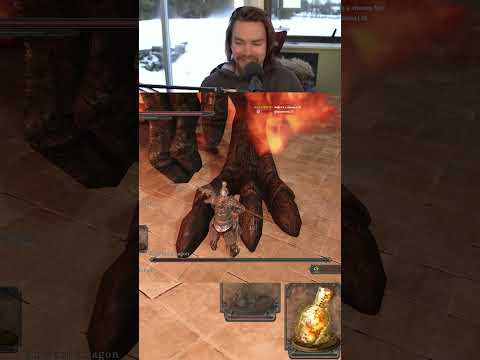
The age-old question: Is Dark Souls 2 easier than Dark Souls? The short answer is… it’s complicated. While initial impressions might lean towards Dark Souls 2 being a cakewalk compared to its predecessor, a deeper dive reveals a more nuanced reality. Ultimately, Dark Souls 2 is not objectively easier than Dark Souls; it presents a different kind of challenge. Dark Souls emphasizes world design, interconnectedness, and a sense of discovery, where difficulty often stems from environmental hazards and the unknown. Dark Souls 2, on the other hand, frequently throws hordes of enemies at you, features more deliberate and less forgiving combat mechanics, and relies heavily on enemy placement to create challenging scenarios. The perceived difficulty heavily depends on your playstyle and what aspects of the Souls games you find most challenging. Prepare to die… a lot, in either case!
Examining the Arguments for Both Sides
The notion that Dark Souls 2 is easier often stems from a few key observations. Many players find the early game and some mid-game bosses to be relatively straightforward compared to the trials of Dark Souls. The abundance of healing items, specifically Estus Flask Shards, makes replenishing health more manageable. The introduction of Adaptability (ADP) also plays a huge role. Neglecting to level ADP results in sluggish rolling, impacting agility and making dodging attacks significantly harder. Properly investing in ADP allows players to roll and iframe more efficiently. The game is easier with Adaptability.
However, declaring it categorically easier is a disservice to the unique challenges it presents. Dark Souls 2 features more aggressive enemy AI, often deploying enemies in groups to overwhelm players. The increased number of ambushes and traps requires a more cautious approach. The infamous agility stat tied to Adaptability (ADP) significantly impacts roll distance and i-frames, forcing players to invest levels into it to feel as agile as in the first game. The life gems and healing are abundant, but the animations are slow, adding to the difficulty of healing. Some bosses, particularly those in the DLC, are considered among the most challenging in the entire series. This is on top of having to defeat the boss multiple times to reach the end-game content.
Key Differences That Influence Difficulty
Several key design choices differentiate the difficulty curves of Dark Souls and Dark Souls 2:
-
Enemy Placement: Dark Souls 2 is notorious for its gank squads and deliberate placement of enemies in areas designed to punish reckless players. This contrasts with Dark Souls, where enemy placement is often more organic and less overtly punitive.
-
Combat Mechanics: While seemingly similar, combat in Dark Souls 2 feels subtly different. The decreased animation speed for healing and the emphasis on stamina management can make combat more demanding, even when facing seemingly weaker enemies.
-
World Design: The interconnectedness of Dark Souls‘ world is a defining feature. Dark Souls 2, while vast, lacks this sense of cohesion. This linear structure can make it feel more like a series of isolated challenges rather than a continuous journey.
-
Adaptability (ADP): This stat directly impacts your character’s agility, making dodging attacks more or less effective. Ignoring ADP in Dark Souls 2 will make the game significantly harder than Dark Souls.
-
Soul Memory: Soul Memory determines online interactions, impacting matchmaking and invasions, which affects the overall game experience, especially for players seeking online assistance.
-
Level Design: The level design in Dark Souls 2 is often considered less inspired and impactful compared to the intricately crafted world of Dark Souls.
Conclusion: Different Flavors of Difficulty
Ultimately, whether you find Dark Souls 2 easier or harder than Dark Souls is subjective. Dark Souls excels in creating a challenging and immersive world, while Dark Souls 2 focuses on mechanical challenges and punishing enemy encounters.
Both games offer a rewarding experience for players who enjoy overcoming adversity. They demand patience, strategic thinking, and a willingness to learn from mistakes. Rather than asking which game is easier, consider which style of difficulty appeals to you more. Embrace the challenge, and you’ll find that both games offer a uniquely rewarding Souls experience.
Consider visiting the Games Learning Society at GamesLearningSociety.org to explore how these games engage players through challenge and mastery.
Frequently Asked Questions (FAQs)
1. Which Dark Souls game should I start with?
If you are new to the series, Dark Souls is generally recommended as a starting point due to its iconic world design and interconnected level structure. However, Dark Souls 3 offers a more streamlined and action-oriented experience, which may appeal to some newcomers. While some articles suggest Dark Souls 2 is best to start with, it’s often recommended to start with Dark Souls 1 or 3.
2. What is Adaptability (ADP) and why is it important in Dark Souls 2?
Adaptability (ADP) is a stat in Dark Souls 2 that affects your agility and i-frames (invincibility frames) when rolling. It directly impacts how effectively you can dodge attacks. Investing levels into ADP is crucial for increasing your agility and making the game significantly more manageable.
3. Are the DLCs in Dark Souls 2 more difficult than the base game?
Yes, the DLCs in Dark Souls 2 are widely regarded as some of the most challenging content in the entire Souls series. They feature tough enemies, intricate level design, and formidable bosses that will test even seasoned players.
4. Is Dark Souls 2: Scholar of the First Sin different from the original Dark Souls 2?
Yes, Dark Souls 2: Scholar of the First Sin is a revised version of the game with improved enemy placement, updated graphics, and all three DLCs included. It also features some story tweaks and changes to NPC dialogues.
5. Why do many players consider Dark Souls 2 to be the “black sheep” of the Souls series?
Dark Souls 2 often receives criticism due to its different design direction compared to the other Souls games. The more linear world design, increased emphasis on gank squads, and altered combat mechanics contribute to its divisive reputation.
6. What class is best for beginners in Dark Souls 2?
The Knight is often considered the best starting class for beginners in Dark Souls 2. It begins with decent armor, a good weapon, and balanced stats, providing a solid foundation for exploring the world.
7. How long does it take to beat Dark Souls 2?
On average, it takes around 43.5 hours to beat Dark Souls 2 if focusing on the main objectives. Completionists can expect to spend around 118 hours to achieve 100% completion.
8. Is Dark Souls 2 harder than Elden Ring?
While Dark Souls 2 presents unique challenges, most players find Elden Ring to be more difficult overall. Elden Ring‘s open-world design, numerous boss encounters, and aggressive enemy AI contribute to its higher difficulty.
9. Which Dark Souls game has the best world design?
Dark Souls is widely praised for its interconnected and immersive world design. The game’s areas are seamlessly connected, creating a sense of exploration and discovery that is unmatched in the series.
10. Is it worth playing Dark Souls 2 if I enjoyed the other Souls games?
Yes, Dark Souls 2 is worth playing if you enjoyed the other Souls games. While it differs in some aspects, it still offers a rewarding and challenging experience that is unique within the series.
11. Does Dark Souls 2 have a fast travel system?
Yes, Dark Souls 2 has a fast travel system that allows players to warp between bonfires. This contrasts with Dark Souls, where fast travel is initially limited to certain areas.
12. What is Soul Memory and how does it work in Dark Souls 2?
Soul Memory is a system in Dark Souls 2 that tracks the total number of souls a player has acquired. It is used for matchmaking in online play, ensuring that players are matched with others of similar progression.
13. Are there any mods that make Dark Souls 2 easier?
Yes, there are mods available that can alter the difficulty of Dark Souls 2. These mods may include features such as increased player stats, reduced enemy health, or altered game mechanics.
14. Why is stamina management so important in Dark Souls 2?
Stamina management is crucial in Dark Souls 2 because actions such as attacking, blocking, and rolling consume stamina. Running out of stamina can leave you vulnerable to enemy attacks, making it essential to carefully manage your stamina levels.
15. How does multiplayer work in Dark Souls 2?
Multiplayer in Dark Souls 2 involves summoning other players to assist with challenging areas or bosses. Players can also invade other players’ worlds to engage in PvP combat. The Soul Memory system influences the matchmaking process.