Is Dark Souls 3 Okay for 13-Year-Olds? A Comprehensive Guide for Parents
Fast answer first. Then use the tabs or video for more detail.
- Watch the video explanation below for a faster overview.
- Game mechanics may change with updates or patches.
- Use this block to get the short answer without scrolling the whole page.
- Read the FAQ section if the article has one.
- Use the table of contents to jump straight to the detailed section you need.
- Watch the video first, then skim the article for specifics.
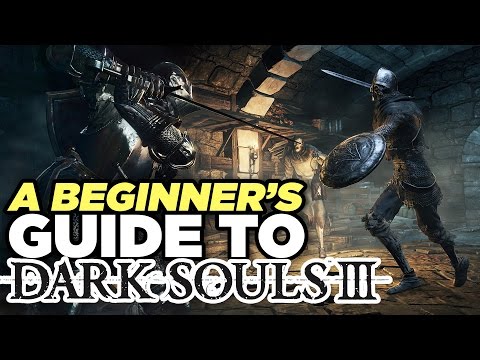
The question of whether Dark Souls 3 is suitable for a 13-year-old is complex, demanding a nuanced understanding of the game’s content and a consideration of the individual child’s maturity level. The simple answer is: it depends. While there are no hard and fast rules, parents should carefully evaluate several factors before allowing their child to delve into the world of Lothric. The game’s violence, difficulty, and dark themes should all be taken into account. The ESRB rating of M for Mature indicates the game is generally intended for ages 17 and up, primarily due to violence, blood and gore. However, ratings are guidelines, not absolute laws, and the decision ultimately rests with the parent. The game has some blood and gore but it can be turned off.
Diving Deeper: Content Considerations
Violence and Gore
Dark Souls 3 is undeniably a violent game. Combat is frequent and visceral, featuring swords, axes, spears, and magic used against a variety of enemies, including humanoid figures, monstrous creatures, and undead horrors. Blood splatters are common, and certain attacks result in graphic impalements and dismemberment. However, the game offers the option to reduce or completely disable blood effects, which is a crucial factor for concerned parents.
Dark Themes and Atmosphere
Beyond the physical violence, Dark Souls 3 features a bleak and oppressive atmosphere. The world is crumbling, filled with despair and the remnants of a fallen civilization. The narrative explores themes of death, decay, sacrifice, and the futility of existence. Some players, especially younger ones, might find these themes disturbing or emotionally taxing. Parents should be prepared to discuss these concepts with their child if they choose to play the game.
Difficulty and Frustration
Dark Souls 3 is renowned for its high difficulty. Players will die frequently, often to seemingly unfair enemies or traps. This can lead to frustration and anger, which may not be suitable for all 13-year-olds. However, the game’s difficulty is also a significant part of its appeal, fostering a sense of accomplishment and perseverance when challenges are overcome. It is important to know how a child typically reacts to difficult situations, and the constant losing in this game can be difficult for the player to handle.
Assessing Maturity and Parental Guidance
Individual Maturity Level
Each child is different, and a 13-year-old’s maturity level can vary significantly. Some teenagers may be able to handle the game’s violence and themes without being negatively affected, while others may be more sensitive. Parents should consider their child’s emotional resilience, exposure to other violent media, and ability to distinguish between fantasy and reality.
Open Communication
If you decide to allow your 13-year-old to play Dark Souls 3, it’s essential to maintain open communication. Talk to them about the game’s content, their experiences playing it, and any concerns they may have. Encourage them to ask questions and express their feelings.
Active Involvement
Consider playing the game alongside your child or watching them play. This allows you to monitor the content firsthand, provide guidance, and engage in discussions about the game’s themes and challenges. This active involvement can also be a valuable bonding experience.
The Potential Benefits
Despite the concerns, Dark Souls 3 can offer some potential benefits for young players:
- Problem-solving skills: The game requires strategic thinking and creative problem-solving to overcome challenges.
- Perseverance and resilience: The high difficulty teaches players to persevere through setbacks and learn from their mistakes.
- Sense of accomplishment: Overcoming difficult bosses and areas provides a strong sense of accomplishment and boosts self-esteem.
- Strategic Thinking: The game requires the player to strategize, to level up their character, use appropriate weapons, and understand the area and enemy attacks.
Final Thoughts
Ultimately, the decision of whether or not to allow a 13-year-old to play Dark Souls 3 is a personal one. There is also some evidence to suggest that gaming can improve learning outcomes. As suggested on the Games Learning Society website, “Games have long been recognized as potential learning tools”. Use this information to help with the decision. By carefully considering the game’s content, the child’s maturity level, and the importance of open communication and parental involvement, you can make an informed decision that is right for your family.
Frequently Asked Questions (FAQs)
1. What is the ESRB rating for Dark Souls 3?
Dark Souls 3 is rated M for Mature by the ESRB, meaning it is generally recommended for ages 17 and older.
2. Can the blood and gore be turned off in Dark Souls 3?
Yes, Dark Souls 3 offers an in-game option to reduce or completely disable blood effects. This is a crucial factor for parents concerned about the game’s violence.
3. Is Dark Souls 3 scarier than other games?
It depends on the individual player. The game’s dark atmosphere, unsettling enemy designs, and themes of death and decay can be disturbing for some, especially younger players.
4. How difficult is Dark Souls 3?
Dark Souls 3 is known for its high difficulty. Players should expect to die frequently and face challenging enemies and bosses.
5. What are the main themes explored in Dark Souls 3?
The game explores themes of death, decay, sacrifice, the futility of existence, and the cyclical nature of history.
6. Are there any positive aspects to playing Dark Souls 3?
Yes, the game can foster problem-solving skills, perseverance, a sense of accomplishment, and strategic thinking.
7. What kind of violence is depicted in Dark Souls 3?
The game features sword fights, axe battles, magic combat, and other forms of medieval-style violence. There are also depictions of blood, gore, impalement, and dismemberment.
8. How long does it take to beat Dark Souls 3?
The average playthrough of Dark Souls 3 takes around 30-40 hours, depending on skill level and exploration. Completionists can easily spend 80-100+ hours.
9. Is Dark Souls 3 considered a horror game?
While not strictly a horror game, Dark Souls 3 incorporates elements of horror, such as unsettling enemy designs and a bleak, oppressive atmosphere.
10. Are there any in-app purchases in Dark Souls 3?
No, the base game of Dark Souls 3 does not contain in-app purchases. There are optional DLC (downloadable content) expansions that can be purchased separately.
11. How does Dark Souls 3 compare to other games in the series in terms of difficulty?
Dark Souls 3 is generally considered to be one of the more difficult entries in the Dark Souls series, especially for newcomers.
12. Does Dark Souls 3 have a multiplayer mode?
Yes, Dark Souls 3 features online multiplayer, allowing players to cooperate with or compete against each other.
13. What are some alternative games that might be more suitable for younger players?
Consider games like Elden Ring (while also rated M, has more open-world exploration), Hollow Knight, or other action RPGs with less graphic violence and lighter themes.
14. Where can I find more information about video game ratings and content?
The ESRB (Entertainment Software Rating Board) website provides detailed information about video game ratings and content descriptors. GamesLearningSociety.org also has some insights into learning outcomes and video games.
15. What should I do if my child is having nightmares or anxiety after playing Dark Souls 3?
If your child experiences negative psychological effects after playing the game, it’s important to stop them from playing it immediately and seek professional guidance from a therapist or counselor if needed.