Dettlaff van der Eretein: Anti-Hero or Monster?
Fast answer first. Then use the tabs or video for more detail.
- Watch the video explanation below for a faster overview.
- Game mechanics may change with updates or patches.
- Use this block to get the short answer without scrolling the whole page.
- Read the FAQ section if the article has one.
- Use the table of contents to jump straight to the detailed section you need.
- Watch the video first, then skim the article for specifics.
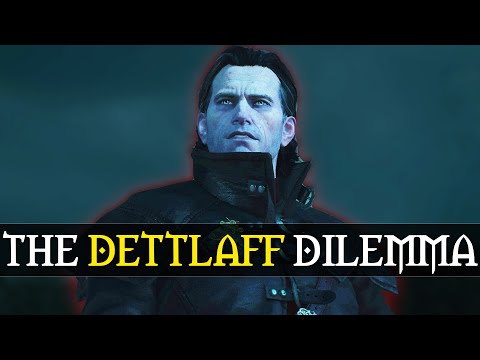
The question of whether Dettlaff van der Eretein is “good” or “bad” is a complex one, deeply embedded in the moral ambiguities that define The Witcher 3: Wild Hunt. The simple answer? He’s neither purely good nor purely bad. Dettlaff is a creature of immense power and equally immense naivete, driven by primal emotions and easily manipulated. He’s a powerful higher vampire capable of great compassion and loyalty, but also of terrifying violence when provoked. His actions, while undeniably devastating, are rooted in betrayal and manipulation, making him a tragic figure rather than a purely malicious one.
Understanding Dettlaff’s Character
To truly understand Dettlaff, we must delve into the context of his actions. He’s not a power-hungry villain seeking to conquer the world. He’s a creature of passion who genuinely believed he found love with Syanna. When that love is revealed to be based on lies and manipulation, and when he’s forced to commit heinous acts against his will, his reaction, though extreme, is understandable on a visceral level.
The “nice guy” label often thrown at Dettlaff is a gross oversimplification. He’s not simply rejected; he’s actively used and forced into a situation where he has little control. The blackmail, the murders, the violation of the vampire code – all are thrust upon him. This doesn’t excuse his actions, but it provides crucial context.
Ultimately, Dettlaff’s character serves as a fascinating exploration of morality, revenge, and the consequences of unchecked power. He challenges the player to consider the nuances of good and evil, forcing them to grapple with uncomfortable truths about human nature and the nature of monsters. The choices the player makes regarding Dettlaff directly impact the fate of Toussaint and the lives of those within it, making him one of the most impactful characters in the entire game.
The Moral Dilemma: To Kill or To Let Live?
The ultimate decision regarding Dettlaff is a difficult one, with no easy answer. Each choice leads to significant consequences and raises profound ethical questions. Killing him satisfies the thirst for justice and protects Toussaint from further harm. Allowing him to leave means potentially sparing a life, albeit a life stained by violence. However, it also means allowing a dangerous being to roam free. This dilemma reflects the core themes of the Witcher series, forcing players to weigh the potential consequences of their actions and choose the lesser of two evils. The GamesLearningSociety.org, offers resources exploring such themes in video games.
Frequently Asked Questions (FAQs) About Dettlaff
1. What exactly makes Dettlaff a “Higher Vampire”?
Higher Vampires are a unique breed within the vampire hierarchy. They possess superior strength, speed, and regenerative abilities compared to their lesser counterparts. Crucially, they can also withstand sunlight, shapeshift, and reason like humans. Dettlaff’s higher vampire status makes him incredibly powerful and difficult to defeat.
2. Was Dettlaff truly in love with Syanna?
The game implies Dettlaff’s feelings for Syanna were genuine, though perhaps naive and intense. He was captivated by her and believed her lies, highlighting his vulnerability despite his power. His reaction to her betrayal suggests deep emotional investment.
3. Could Syanna have genuinely loved Dettlaff?
It’s doubtful. Syanna appears to be manipulative and self-serving, using Dettlaff to achieve her own goals. Her actions suggest a lack of genuine affection for him.
4. Is there a way to save both Syanna and Dettlaff?
No. A “perfect” ending where everyone lives happily ever after isn’t possible. Saving Syanna requires killing Dettlaff, and allowing Dettlaff to live results in Syanna’s death (at least initially).
5. What are the consequences of letting Dettlaff go?
Letting Dettlaff go results in Syanna’s death and Geralt potentially being imprisoned. Regis, Dettlaff’s friend, will need to leave Toussaint to avoid conflict with other vampires who will deem him a traitor for letting Dettlaff escape.
6. Why is Dettlaff considered such a difficult boss fight?
Dettlaff’s boss fight is challenging due to his diverse abilities, multiple phases, and unpredictable attack patterns. He utilizes his vampiric powers effectively, forcing the player to adapt their strategy constantly.
7. What is the best strategy for defeating Dettlaff?
A combination of dodging, parrying, and utilizing oils and potions effective against vampires is crucial. Learning his attack patterns and exploiting openings is key to victory.
8. Does Geralt’s build affect the outcome of the Dettlaff fight?
Yes. A well-optimized build focusing on either melee combat, signs, or a hybrid approach can significantly impact the difficulty of the fight.
9. How does Regis factor into the Dettlaff situation?
Regis is a close friend of Dettlaff and attempts to mediate the conflict. He’s torn between loyalty to his friend and his understanding of the situation. Regis ultimately plays a crucial role, regardless of the player’s choices.
10. What is the “Night of the Long Fangs” quest?
This quest is pivotal to the Blood and Wine storyline. It involves confronting Dettlaff about the murders he committed and making crucial decisions that determine the ending.
11. What is the significance of the ribbon in the fairytale world?
The ribbon protects Syanna from Dettlaff’s vampiric powers. Obtaining it is essential for achieving the “good” ending where both sisters survive.
12. Why does Anna Henrietta react the way she does, regardless of the ending?
Anna Henrietta’s reactions are driven by her deep love for her sister and her responsibility as Duchess. She struggles to reconcile her personal feelings with her duty to Toussaint.
13. Is Dettlaff’s story a commentary on toxic relationships?
Yes, Dettlaff’s story serves as a cautionary tale about manipulation, betrayal, and the dangers of blind trust. It explores the dynamics of a toxic relationship where one party is exploited and used.
14. How does the Blood and Wine DLC contribute to the overall themes of The Witcher 3?
The Blood and Wine DLC expands upon the themes of morality, choice, and the ambiguous nature of good and evil that are central to The Witcher 3. It presents a complex moral dilemma with no easy solutions, forcing the player to confront uncomfortable truths.
15. Where can I find more resources analyzing the themes and characters of The Witcher 3?
Several online communities and academic resources delve into the deeper themes and character analyses within The Witcher 3. For example, the Games Learning Society explores how games can be used for educational purposes and to understand complex social issues.
Ultimately, Dettlaff’s character is a testament to the nuanced storytelling of The Witcher 3. He’s not simply a monster to be slain, but a complex individual whose actions are shaped by circumstances beyond his control. Whether he’s viewed as a tragic victim or a dangerous threat is ultimately up to the player to decide. This decision, and its consequences, are what make Dettlaff van der Eretein such a compelling and memorable character.