Is DLC Good for Gaming? A Comprehensive Analysis
Fast answer first. Then use the tabs or video for more detail.
- Watch the video explanation below for a faster overview.
- Game mechanics may change with updates or patches.
- Use this block to get the short answer without scrolling the whole page.
- Read the FAQ section if the article has one.
- Use the table of contents to jump straight to the detailed section you need.
- Watch the video first, then skim the article for specifics.
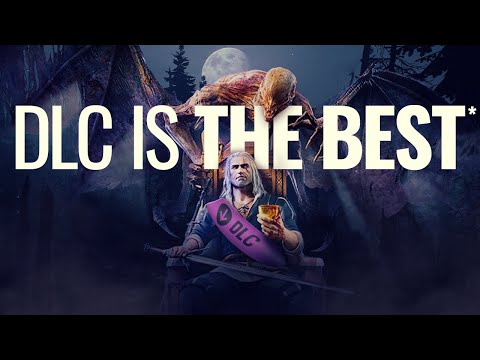
The answer, like most things in the gaming world, isn’t a simple yes or no. Downloadable Content (DLC) is a double-edged sword, capable of both enhancing and detracting from the overall gaming experience. It really comes down to the type of DLC, the developer’s intent, and the gamer’s individual preferences. When done right, DLC can breathe new life into beloved games, offering meaningful expansions, compelling stories, and innovative gameplay mechanics. When done poorly, it can feel like a greedy cash grab, fracturing the player base and diminishing the value of the base game.
Ultimately, whether DLC is “good” for gaming depends on its execution and how it impacts the player community. A balanced approach, one that prioritizes quality content and fair pricing, is crucial for fostering a positive and sustainable DLC ecosystem.
The Upsides of DLC: Enhancing the Experience
At its core, good DLC aims to expand upon the existing game world and lore, providing players with more of what they love. Think of it as adding extra chapters to a favorite book or extending a captivating movie with a well-crafted sequel.
Here are some ways that DLC can positively impact gaming:
- Extended Lifespan: DLC extends the lifespan of a game by offering new content long after the initial release, keeping players engaged and invested. This is particularly beneficial for games with strong communities and dedicated fan bases.
- Deeper Lore and Storytelling: DLC allows developers to delve deeper into the game’s lore, expanding upon existing storylines and introducing new characters and narratives. This can enrich the overall gaming experience and provide players with a greater understanding of the game world.
- New Gameplay Mechanics: High-quality DLC can introduce new gameplay mechanics, weapons, vehicles, and abilities, adding variety and complexity to the core game. This can reinvigorate the gameplay experience and provide players with fresh challenges to overcome.
- Community Building: Multiplayer DLC, such as new maps and modes, can foster community building by bringing players together to experience new content and compete against each other. This can help to strengthen the player base and create a more vibrant and engaging gaming community.
- Supporting Developers: Buying DLC helps support developers, allowing them to continue creating content for their games and potentially invest in future projects. This is especially important for smaller independent developers who rely on DLC revenue to stay afloat.
The Downsides of DLC: Potential Pitfalls
While DLC can be a great addition to a game, it also has the potential to be detrimental to the overall gaming experience. The rise of DLC has been accompanied by some negative trends that should be carefully considered.
Here are some potential drawbacks of DLC:
- Content Cutting: One of the biggest criticisms of DLC is that it can encourage developers to cut content from the base game and sell it separately as DLC. This can make players feel like they are being ripped off, as they are essentially paying extra for content that should have been included in the original game.
- Pay-to-Win Mechanics: DLC that provides players with a significant advantage over others, such as powerful weapons or abilities, can create a pay-to-win environment. This can be frustrating for players who are unwilling or unable to purchase the DLC, as they are at a disadvantage compared to those who do.
- Fragmented Player Base: Multiplayer DLC can fragment the player base by dividing players into those who have purchased the DLC and those who have not. This can make it difficult to find matches and can create a sense of division within the gaming community.
- Incomplete Games at Launch: The knowledge that DLC can be released later can sometimes lead to rushed and unfinished games at launch. Developers might prioritize meeting release deadlines, with the intention of filling in the gaps later with paid DLC.
- Costly Overall Experience: The cumulative cost of purchasing all the DLC for a game can sometimes exceed the price of the base game itself. This can be prohibitively expensive for some players, particularly those on a tight budget.
Finding the Balance: How to Make DLC Work
The key to making DLC a positive force in gaming is to strike a balance between providing valuable content and avoiding predatory practices. Developers should focus on creating DLC that enhances the game experience without feeling essential or unfair.
Here are some ways to improve the DLC landscape:
- Transparency and Communication: Developers should be transparent about their DLC plans and communicate clearly with players about what they can expect. This can help to build trust and prevent misunderstandings.
- Focus on Quality: DLC should be well-designed and well-executed, offering meaningful content that adds value to the base game. Developers should prioritize quality over quantity and avoid releasing rushed or unfinished DLC.
- Fair Pricing: DLC should be priced fairly, taking into account the amount of content it provides and its impact on the overall gaming experience. Developers should avoid overpricing DLC or using predatory pricing tactics.
- Cosmetic vs. Gameplay DLC: Differentiating between cosmetic DLC (skins, emotes) and gameplay-altering DLC (weapons, maps) can help avoid pay-to-win scenarios.
- Community Feedback: Developers should actively solicit and respond to community feedback regarding their DLC plans. This can help them to identify potential problems and make adjustments accordingly.
- Consider Bundling: Offering DLC in bundles or season passes can provide players with a more affordable way to access all the content they want.
Examples of Great and Not-So-Great DLC
To illustrate the potential benefits and drawbacks of DLC, let’s look at a few examples of both good and bad DLC:
- Good DLC: The Witcher 3: Blood and Wine – This expansion added a significant amount of new content to an already excellent game, including a new region to explore, new characters to meet, and a compelling storyline. It felt like a true expansion, rather than a collection of disconnected add-ons.
- Good DLC: BioShock 2: Minerva’s Den – A self-contained and narratively brilliant story expansion. Many argue that it is even better than the main game story.
- Not-So-Great DLC: Early examples of horse armor in The Elder Scrolls IV: Oblivion (a minor cosmetic item sold for a relatively high price) is often cited as an example of overpriced and underwhelming DLC. While it may seem trivial now, it set a precedent for microtransactions and questionable DLC practices.
- Not-So-Great DLC: DLC that unlocks already present content in games, providing an unfair advantage, or excessively expensive cosmetic items can also be viewed negatively.
The Future of DLC
The future of DLC is likely to be shaped by evolving trends in the gaming industry, such as the rise of subscription services and the increasing popularity of live service games. Subscription services like Xbox Game Pass and PlayStation Plus offer players access to a library of games, including DLC, for a monthly fee. Live service games, such as Fortnite and Destiny 2, rely on ongoing updates and DLC to keep players engaged.
As these trends continue to evolve, it will be important for developers to adapt their DLC strategies accordingly. They should focus on providing valuable content that enhances the gaming experience without feeling essential or unfair. They should also be transparent about their DLC plans and communicate clearly with players.
The Games Learning Society (GamesLearningSociety.org) explores how games can be powerful tools for learning and engagement, offering insights into the potential of game design and development. The future of DLC should focus on the value to learning and building engagement within the game, to ensure the DLC is valuable and desired by users.
Frequently Asked Questions (FAQs) about DLC
Here are some frequently asked questions about DLC to further clarify the topic:
1. What exactly is Downloadable Content (DLC)?
DLC refers to additional content created for a video game after its initial release. This can include new storylines, characters, maps, weapons, cosmetic items, or any other type of add-on that enhances or expands the game experience.
2. How do I access and install DLC?
DLC is typically purchased and downloaded through the game’s platform’s digital storefront (e.g., Steam, PlayStation Store, Xbox Store, Nintendo eShop). After purchase, the DLC is usually automatically downloaded and installed, or you may need to manually initiate the download within the store.
3. Do I need the base game to play DLC?
Yes, in almost all cases, you need the base game installed on your system in order to play DLC. DLC is designed to integrate with and build upon the existing game world and mechanics.
4. What happens if I buy DLC before owning the base game?
The DLC will be added to your account on the digital platform but will remain inaccessible until you purchase and install the base game. Once you have the base game, the DLC will become available.
5. Is DLC the same as an expansion pack?
The terms are often used interchangeably, but generally, expansion packs are larger and more substantial than typical DLC. Expansions often add significant new features, storylines, and areas to explore, while DLC can be smaller and more focused.
6. Can I get a refund for DLC if I don’t like it?
Most digital storefronts have refund policies that allow you to return DLC within a certain time frame (usually 14 days) as long as you haven’t significantly used it. Check the specific refund policy of the platform you purchased the DLC from.
7. What happens if I delete DLC from my system?
Deleting DLC will remove the associated content from your game. However, your game save data should not be affected. You can always redownload and reinstall the DLC later if you wish to play it again.
8. Does everyone in a multiplayer game need the DLC to play together?
It depends on the game. Sometimes, only the host needs the DLC, and other players can join their game. In other cases, all players need the DLC to access specific content.
9. How can I tell if DLC is worth buying?
Research is key! Read reviews, watch gameplay videos, and consider your personal preferences. Does the DLC offer content that appeals to you? Is the price reasonable for the amount of content provided?
10. What are some examples of highly-regarded DLC in gaming history?
Some examples of highly-regarded DLC include: The Witcher 3: Blood and Wine, BioShock 2: Minerva’s Den, The Last of Us: Left Behind, Fallout: New Vegas – Old World Blues, and Borderlands 2: Tiny Tina’s Assault on Dragon Keep.
11. What is the most expensive DLC ever?
This is difficult to quantify, as some games have countless cosmetic items. However, Train Simulator 2020, with its vast array of train and route add-ons, is often cited as having some of the most expensive DLC in gaming, totaling thousands of dollars if you were to purchase everything.
12. Are there free DLC packs available?
Yes, some game developers offer free DLC packs as a way to reward players or add new content to the game. These free DLC packs may include cosmetic items, small gameplay tweaks, or even entirely new game modes.
13. How does DLC impact game development?
DLC allows developers to continue supporting their games after release, providing ongoing content updates and potentially generating additional revenue. This can enable them to invest in future projects and maintain a strong connection with their player base.
14. What is the difference between DLC and microtransactions?
DLC refers to larger, more substantial add-ons that expand the game experience, while microtransactions are smaller, typically optional purchases that can provide in-game benefits or cosmetic items.
15. How will subscriptions shape DLC going forward?
Subscription services offer ongoing DLC for games on their platform to retain members. This is a very useful strategy as long as it is sustainable and keeps customers happy.