Is Dovahzul an Actual Language? Unpacking the Linguistics of the Dragon Tongue
Fast answer first. Then use the tabs or video for more detail.
- Watch the video explanation below for a faster overview.
- Game mechanics may change with updates or patches.
- Use this block to get the short answer without scrolling the whole page.
- Read the FAQ section if the article has one.
- Use the table of contents to jump straight to the detailed section you need.
- Watch the video first, then skim the article for specifics.
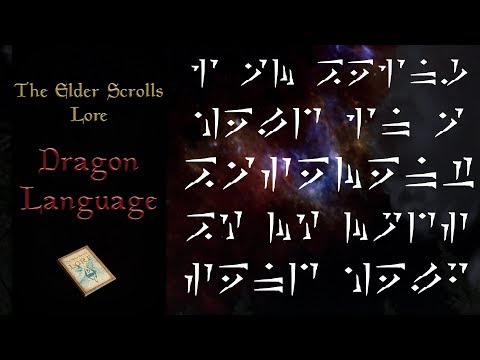
The short answer is: Dovahzul, the Dragon Language from The Elder Scrolls V: Skyrim, is indeed a constructed language (conlang), but whether it qualifies as a “real” language is a nuanced question that depends on your definition. It possesses a defined vocabulary, grammar, and even a writing system, setting it apart from mere gibberish. However, its limited scope and primary purpose as a fictional element within a video game place it in a unique category. Let’s delve deeper into the fascinating world of Dovahzul and explore its linguistic characteristics.
The Anatomy of a Conlang: Dovahzul’s Structure
Dovahzul, also known as Dragonish or the Dragon Tongue, was meticulously crafted by Emil Pagliarulo and the team at Bethesda Softworks for Skyrim. It’s not just a random assortment of sounds; it’s a language with deliberate design choices.
Grammar and Syntax
While not as complex as some natural languages, Dovahzul features a discernible grammatical structure. The game developers drew inspiration from various sources, including Old English and Norse languages, to give it a distinct, archaic feel. Word order, while flexible, tends toward Subject-Verb-Object (SVO), but with variations for emphasis. Consider, for example, how Shouts, the Dragonborn’s powerful abilities, are constructed from Dovahzul words, each conveying a specific meaning and effect.
Vocabulary and Meaning
The Dovahzul lexicon is constantly expanding thanks to the dedication of fans and linguists. Originally containing a relatively small number of defined words, the community has worked to interpret context and expand its usage, which brings us to over 5,000 words. Each word carries a weight of meaning that often goes beyond a simple translation. For instance, “Fus Ro Dah” translates to “Force Balance Push,” but the Shout unleashes a powerful concussive force. This depth of meaning adds to the language’s richness.
The Dragon Alphabet
The writing system of Dovahzul is visually striking, inspired by cuneiform, the ancient script of Mesopotamia. However, unlike cuneiform, which is logographic (where symbols represent words or morphemes), the Dragon Alphabet is an alphabetical system. This means each symbol represents a distinct sound. The angular shapes of the letters were intentionally designed to look like claw marks, adding to the lore that dragons themselves carved the words into stone. The game’s world is filled with “Word Walls” featuring the Dragon Alphabet, teaching the Dragonborn new Shouts.
Is Dovahzul a “Living” Language?
Here’s where things get interesting. A “living” language is one that is actively used and evolves within a community of speakers. While Dovahzul has a dedicated following, it’s primarily used in the context of the game and related fan activities.
- Limited Native Speakers: Obviously, there are no native speakers of Dovahzul in the traditional sense. Its use is confined to enthusiasts and role-players.
- Evolving Lexicon: Despite its fictional origins, the language continues to grow and evolve thanks to fan contributions. New words and interpretations are constantly being proposed and debated, mirroring the evolution of natural languages.
- Context-Dependent Usage: The primary context for Dovahzul is within the Skyrim universe. This limits its practical application in everyday life but enhances its significance within the game’s narrative.
Ultimately, whether you consider Dovahzul a “real” language depends on your criteria. It possesses the structural components of a language, but lacks the organic development and widespread use of a natural language. It exists in a fascinating space between fiction and reality. This intersection between games and learning is further explored by organizations like the Games Learning Society, which you can learn more about at GamesLearningSociety.org.
Frequently Asked Questions (FAQs) About Dovahzul
Here are some frequently asked questions about Dovahzul to further expand your understanding of this fascinating constructed language.
FAQ 1: What Inspired Dovahzul?
The language designers drew inspiration from multiple sources, including Old English, Norse languages, and the visual aesthetic of cuneiform. The goal was to create a language that felt ancient, powerful, and fitting for dragons.
FAQ 2: Does Anyone Speak Dovahzul Fluently?
While true fluency is subjective, there are dedicated fans who have invested significant time and effort into learning and using Dovahzul. They can construct sentences, understand text, and even create original content in the language.
FAQ 3: How Long Does It Take to Learn Dovahzul?
The article quotes an estimate of 600 hours. However, mastering any language depends on individual aptitude, dedication, and immersion. It’s a continuous journey of learning and refinement.
FAQ 4: Is Dovahzul Similar to Any Real-World Languages?
Dovahzul shares some superficial similarities with Old English and Norse languages in terms of its archaic feel and some phonetic qualities. However, it’s fundamentally its own creation, with unique grammar and vocabulary.
FAQ 5: Is Dovahzul Used Outside of Skyrim?
Yes! Dovahzul has found a niche in online communities, role-playing games, and fan fiction. Enthusiasts use it for creative expression and to deepen their immersion in the Skyrim universe.
FAQ 6: What Does “Drem Yol Lok” Mean?
“Drem Yol Lok” translates literally to “peace fire sky” but is used as a greeting, similar to “hello.”
FAQ 7: How Many Words Are There in Dovahzul?
Fan efforts have built upon the base vocabulary to create more than 5,000 Dovahzul words and translations for over 6,500 English words.
FAQ 8: Is There a Dovahzul Dictionary?
Yes! Several online resources function as Dovahzul dictionaries, compiling known words, translations, and grammatical rules. Thuum.org is a major hub for this information.
FAQ 9: What Is the Dragon Alphabet Called?
It’s simply called the Dragon Alphabet. It consists of angular symbols designed to resemble claw marks.
FAQ 10: Are Dragon Names in Dovahzul?
Yes, dragon names are typically composed of Dovahzul words. For example, “Alduin” might be interpreted based on the meaning of its constituent elements within the language, although the article suggests that the name is of Anglo-Saxon origin and translates to “noble friend”.
FAQ 11: Do Draugr Speak Dovahzul?
Yes, Draugr, the undead inhabitants of ancient Nord ruins, often speak in Dovahzul, suggesting it was the language of the ancient Nords.
FAQ 12: Is the Dragonborn’s Song in Dovahzul?
Yes, the iconic “Dragonborn” theme song features lyrics sung in Dovahzul, adding to the epic and fantastical atmosphere of the game.
FAQ 13: How Is Draconic Spoken?
Draconic words are often emphasized on the first syllable. Speakers of Draconic expressed important ideas by stressing the beginnings and ends of words.
FAQ 14: Is Dragonborn based on a real language?
The composition is Nordic-influenced classical in style and features a chorus singing lyrics in a fictional language, Dovahzul, that was created by Emil Pagliarulo for the game.
FAQ 15: What Languages Would a Dragonborn Speak?
Dragonborn are said to speak Draconic, an ancient language that is only spoken by those with a connection to the dragons.