Is Draconic a Real Language? Exploring the Linguistic Depths of Dragons
Fast answer first. Then use the tabs or video for more detail.
- Watch the video explanation below for a faster overview.
- Game mechanics may change with updates or patches.
- Use this block to get the short answer without scrolling the whole page.
- Read the FAQ section if the article has one.
- Use the table of contents to jump straight to the detailed section you need.
- Watch the video first, then skim the article for specifics.
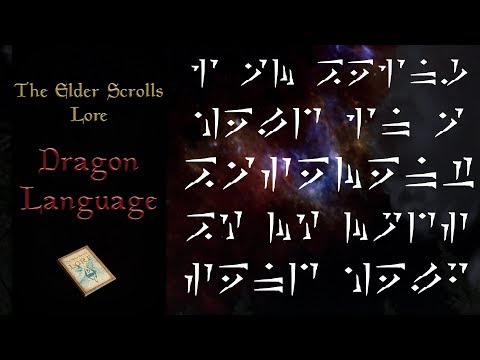
The short answer is no, Draconic is not a real language in the sense that it isn’t naturally spoken by any group of humans as a primary form of communication, but it is a fictional language created and developed for use in fantasy settings, most notably the Dungeons & Dragons (D&D) universe. While not real in the traditional sense, Draconic possesses its own grammar, vocabulary, and script, making it a complex and fascinating example of conlanging, or constructed language.
The History and Lore of Draconic
Draconic’s origins are deeply intertwined with the lore of D&D. It is established as one of the oldest languages in the game world, a claim often tied to its association with dragons, who are typically portrayed as ancient and powerful beings.
The lore around Draconic states it is the language of dragons, Dragonborn, Kobolds, Lizardfolk, and Troglodytes. This highlights its significance within the fantasy world, denoting the language as being exclusive and secret.
Iokharic Script
All Draconic languages use a unique script known as Iokharic. This script was likely created long after its spoken form was standardized, as dragons had little to no need to write when compared to other races.
Draconic in Dungeons & Dragons
Within D&D, Draconic serves several purposes. First, it provides a sense of realism and depth to the game world. By giving dragons their own language, it reinforces their alien nature and reinforces the notion that they aren’t just powerful monsters, but also possess an ancient culture and history. Second, it can be a plot device. Discovering ancient Draconic texts, learning the language, or finding a translator can be essential for progressing through a campaign.
Beyond D&D: Other “Draconic” Languages
While Draconic is most strongly associated with D&D, the concept of a dragon language appears in other fantasy works, but they shouldn’t be confused as being identical to D&D’s Draconic. For example, Game of Thrones features dragon commands given in Old Valyrian. While not explicitly called “Draconic,” it serves a similar narrative purpose: connecting dragons to an ancient, powerful, and slightly mysterious civilization.
Is Conlanging a “Real” Skill?
Absolutely. Creating a language is a complex process that draws upon linguistics, anthropology, and creative writing. Professional conlangers work on films, TV shows, and video games, crafting languages that feel authentic and believable. The dedication to detail highlights that crafting languages can be challenging, but that a good language creator can establish believability of fantasy.
FAQs: Delving Deeper into Draconic
1. Who Speaks Draconic in D&D?
The primary speakers are, of course, dragons. However, other creatures with a connection to dragons, such as Dragonborn, kobolds, lizardfolk, and troglodytes, also speak Draconic.
2. Can Humans Learn Draconic?
Yes, humans can learn Draconic, although it is considered a rare and exotic language. Finding a teacher or ancient texts may be necessary.
3. Is Draconic a Difficult Language to Learn?
Yes, Draconic is generally considered a difficult language for non-native speakers. The pronunciation, grammar, and vocabulary can be challenging.
4. What is the Draconic Alphabet Called?
The Draconic alphabet is called Iokharic.
5. What is the Oldest Language in D&D?
Draconic is considered one of the oldest languages in the D&D universe.
6. Do Pseudo Dragons Speak Draconic?
Pseudo dragons can understand Common and Draconic, but they cannot speak.
7. Is Draconic an Exotic Language?
Yes, in D&D, Draconic is categorized as an exotic language, alongside Druidic, Orc, Troll, Vampire, and Warlock languages.
8. How Do You Speak Draconic?
Draconic emphasizes the first syllable, and speakers stress the beginnings and ends of words to convey important ideas.
9. Can Any Race Have a Draconic Bloodline?
Yes, any race can have a draconic bloodline. This is often used as a backstory element for sorcerers.
10. What are Draconic Powers?
Draconic powers can include enhanced senses, night vision, darkvision, and the ability to discern illusions.
11. Do Dragons Understand Other Languages?
Some dragons can understand other languages, even if they primarily speak Draconic. In some D&D settings, dragons can understand humanoids speaking in their own languages.
12. Is Valyrian Draconic?
Valyrian is NOT Draconic. Valyrian is a language from the “Game of Thrones” universe, while Draconic is from “Dungeons & Dragons”.
13. What Languages Should My D&D Character Learn?
The best languages depend on your character’s backstory and the campaign setting. However, Draconic is a good choice if your character is interested in dragons or ancient lore. Games Learning Society provides learning resources and information on languages used in gaming. Visit GamesLearningSociety.org for more.
14. What Languages Do Half-Elves Speak?
Half-elves typically speak Common, Elvish, and one additional language of their choice.
15. Is There a Draconic Religion?
Dragons, of any variety, worship deities only reluctantly. Instead of humbling themselves before the deities, they strike bargains, seeing divine beings as strong allies and examples worth emulating.
Conclusion: The Enduring Appeal of Fictional Languages
While Draconic isn’t “real” in the same way as English or Spanish, its existence demonstrates the power of conlanging to enrich fantasy worlds and engage players. Whether you’re a seasoned D&D player, a linguistics enthusiast, or simply curious about the languages of fantasy, Draconic offers a fascinating glimpse into the art of world-building. The study of language and its integration into games is an important aspect of the Games Learning Society and the organization strives to promote knowledge-sharing in this area. Check out https://www.gameslearningsociety.org/ to learn more.