Is Dragon Dance Worth Using? A Comprehensive Analysis
Fast answer first. Then use the tabs or video for more detail.
- Watch the video explanation below for a faster overview.
- Game mechanics may change with updates or patches.
- Use this block to get the short answer without scrolling the whole page.
- Read the FAQ section if the article has one.
- Use the table of contents to jump straight to the detailed section you need.
- Watch the video first, then skim the article for specifics.
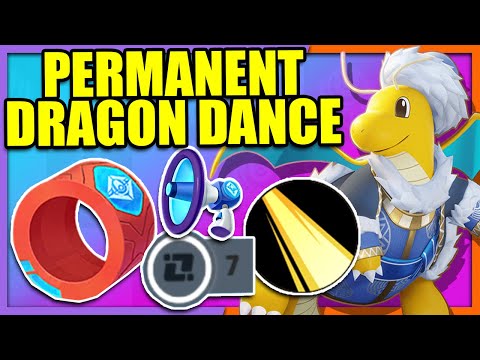
Absolutely! Dragon Dance is undeniably worth using in a wide variety of scenarios within the Pokémon universe. Its unique ability to boost both Attack and Speed simultaneously by one stage is invaluable for setting up sweeps, outmaneuvering opponents, and maximizing a Pokémon’s offensive potential. Whether you’re a seasoned competitive battler or just looking to enhance your in-game team, Dragon Dance can be a game-changer.
The Power of a Single Dance
Understanding the Mechanics
Dragon Dance is a non-damaging Dragon-type move that increases the user’s Attack and Speed stats by one stage each. In practical terms, this means:
- Attack: Multiplies your Attack stat by 1.5x per use.
- Speed: Multiplies your Speed stat by 1.5x per use.
The crucial advantage here is the dual boost. Many setup moves focus solely on Attack or Speed, forcing you to choose between power and agility. Dragon Dance gives you both. This synergy is what makes it so potent.
Dragon Dance vs. the Competition: Swords Dance & Agility
Let’s break down how Dragon Dance stacks up against other popular boosting moves:
-
Dragon Dance vs. Swords Dance: Swords Dance doubles your Attack stat in one use (a two-stage boost), making it seemingly superior for pure damage output. However, it does nothing for your Speed. A Pokémon with sky-high Attack but low Speed is still vulnerable to being outsped and KO’d before it can act. Dragon Dance provides a balanced approach, ensuring you can strike hard and fast. For Pokémon with already massive Attack like Haxorus and lower than stellar speed, Dragon Dance is definitely the better option.
-
Dragon Dance vs. Agility: Agility doubles your Speed stat in one use (a two-stage boost), granting incredible speed. While this is fantastic for outspeeding even the fastest threats, it leaves your Attack unchanged. A lightning-fast Pokémon with mediocre Attack may struggle to actually deal significant damage. Dragon Dance sacrifices some initial speed for a significant Attack boost, making it a more complete offensive setup move.
Situational Awareness is Key
The “best” boosting move depends entirely on the Pokémon using it, its role on your team, and the opposing team’s composition. Dragon Dance shines in the following scenarios:
-
Pokémon with good mixed offenses: Dragon Dance is perfect for Pokémon that already possess decent Attack and Speed stats. The boost allows them to become overwhelming offensive threats.
-
Sweepers: Dragon Dance is a staple for sweepers – Pokémon designed to take down multiple opponents in quick succession. The combined Attack and Speed boost allows them to outspeed and OHKO (one-hit KO) threats.
-
Late-game cleaning: After your opponent’s team has been weakened, a Dragon Dancer can come in and clean up with relative ease.
Key Dragon Dance Users
Many Pokémon benefit immensely from Dragon Dance. Here are just a few examples:
-
Gyarados: A classic Dragon Dance user. Gyarados has good Attack and access to powerful STAB (Same-Type Attack Bonus) moves like Waterfall and Crunch. With just one or two Dragon Dances, it can easily outspeed and sweep weakened teams.
-
Dragonite: Considered one of the best Dragon Dance users in the game. Dragonite’s Multiscale ability (which reduces damage taken when at full health) allows it to set up Dragon Dances more easily, and its wide movepool grants it excellent coverage. Extreme Speed is also a notable move that stands out.
-
Mega Charizard X: Dragon Dance transforms Charizard X into a terrifying offensive threat. Its high Attack and access to powerful STAB moves make it a formidable sweeper.
Dragon Dance: More Than Just a Stat Boost
Beyond the raw stat increases, Dragon Dance offers strategic advantages:
-
Mind Games: The threat of a Dragon Dance can force your opponent to play more defensively, giving you an edge.
-
Momentum: Successfully setting up a Dragon Dance can shift the momentum of a battle in your favor.
-
Versatility: Even if you only get off one Dragon Dance, the boost to both Attack and Speed can still be beneficial.
The Downside of Dragon Dance
While Dragon Dance is incredibly powerful, it’s not without its drawbacks:
-
Setup Required: It takes a turn to use Dragon Dance, during which you’re vulnerable to attack.
-
Status Conditions: Status conditions like paralysis can cripple your Speed, rendering your Dragon Dance setup useless.
-
Haze and Roar: Moves like Haze (which resets stat changes) and Roar (which forces you to switch out) can negate your Dragon Dance boosts.
-
Critical Hits: A critical hit can bypass your boosted defenses and KO your Pokémon before it can sweep.
Is Dragon Dance the Best Move?
No single move is universally the “best,” but Dragon Dance is undoubtedly one of the most versatile and impactful setup moves in the game. Its ability to boost both Attack and Speed makes it a powerful tool in the right hands.
Frequently Asked Questions (FAQs) About Dragon Dance
1. How many times should I use Dragon Dance?
You can use Dragon Dance up to six times in a row. Each use increases your Attack and Speed by one stage. After six uses, your stats won’t go any higher.
2. How much does Dragon Dance raise my stats?
Dragon Dance increases both your Attack and Speed stats by one stage each. This translates to a 1.5x multiplier on your current Attack and Speed stats per use.
3. Is Dragon Dance better than Swords Dance?
It depends on the Pokémon and the situation. Swords Dance doubles your Attack in one turn but does nothing for your Speed. Dragon Dance boosts both Attack and Speed, making it a more balanced option. Swords Dance can quickly maximize damage but can fall flat for slower pokemon. Dragon Dance provides a much more needed speed boost and a substantial attack boost that can carry the pokemon further in battle.
4. What Pokémon can learn Dragon Dance?
Many Dragon-type and Dragon-like Pokémon can learn Dragon Dance, including Gyarados, Dragonite, Salamence, Haxorus, and Mega Charizard X.
5. How do I counter a Dragon Dance sweeper?
Several strategies can counter a Dragon Dance sweeper:
- Priority moves: Use priority moves like Extreme Speed or Sucker Punch to strike before the sweeper can attack.
- Status conditions: Paralyze the sweeper to cripple its Speed, or burn it to reduce its Attack.
- Haze: Use Haze to reset the sweeper’s stat boosts.
- Roar/Whirlwind: Force the sweeper to switch out, negating its stat boosts.
- Ice-type attacks: Dragon-types are often weak to Ice, so a powerful Ice-type attack can OHKO them.
6. Does Dragon Dance affect my critical hit rate?
No, Dragon Dance only affects your Attack and Speed stats. It does not influence your critical hit rate.
7. Can I use Dragon Dance if I’m statused?
Yes, you can use Dragon Dance even if you’re statused. However, status conditions like paralysis can severely hinder your Speed, making it difficult to sweep effectively.
8. What happens if my opponent uses Haze after I use Dragon Dance?
Haze resets all stat changes, including the boosts from Dragon Dance. Your Attack and Speed will return to their base values.
9. Is Dragon Dance a TM?
No, Dragon Dance is not a TM (Technical Machine). It is a move that certain Pokémon can learn through leveling up or breeding.
10. Does Dragon Dance stack with other Attack and Speed boosting items?
Yes, Dragon Dance stacks with items that boost Attack or Speed, such as Choice Band or Choice Scarf. However, be mindful of diminishing returns.
11. Is Dragon Dance a physical or special move?
Dragon Dance is a non-damaging status move. It does not deal physical or special damage.
12. Can I use Dragon Dance in Double Battles?
Yes, you can use Dragon Dance in Double Battles. It affects only the user’s stats.
13. Is Dragon Dance good in competitive battling?
Yes, Dragon Dance is highly regarded in competitive battling. It’s a staple setup move for many sweepers and can be a game-changer in the right hands.
14. How does Dragon Dance interact with abilities like Unaware?
Abilities like Unaware ignore stat changes when calculating damage. This means that an Unaware Pokémon will not be affected by your Dragon Dance boosts.
15. Where can I learn more about Pokémon strategy and competitive battling?
Excellent question! Resources like Smogon University, Trainer Tower, and various YouTube channels offer in-depth analyses of Pokémon strategy and competitive battling. Furthermore, exploring resources from educational organizations like the Games Learning Society, accessible through GamesLearningSociety.org, can provide valuable insights into the strategic complexities and learning opportunities within games like Pokémon.
Conclusion: Embrace the Dance
Dragon Dance is more than just a stat boost. It’s a strategic tool that can transform a Pokémon into a formidable threat. By understanding its mechanics, strengths, and weaknesses, you can harness its power and dance your way to victory!