Is Emulating a Free Game Illegal? A Comprehensive Guide
Fast answer first. Then use the tabs or video for more detail.
- Watch the video explanation below for a faster overview.
- Game mechanics may change with updates or patches.
- Use this block to get the short answer without scrolling the whole page.
- Read the FAQ section if the article has one.
- Use the table of contents to jump straight to the detailed section you need.
- Watch the video first, then skim the article for specifics.
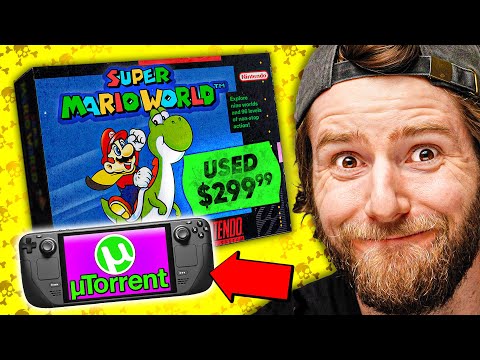
The simple answer: No, emulating a free game is generally not illegal. However, like most things in the digital world, the devil is in the details. While the act of emulation itself is legal, the source of the game (the ROM) and the associated BIOS files (if required) can introduce legal complexities. If a game is explicitly offered as freeware or abandonware by the copyright holder or distributed through legitimate channels, then emulating it is perfectly acceptable. Now, let’s dive deeper into the nuances of this topic and address some frequently asked questions.
Understanding Emulation and Its Legality
Emulation, at its core, is the process of mimicking one computer system with another, allowing software designed for the original system to run on the emulator. This technology opens the door to revisiting classic games on modern devices, a practice embraced by many nostalgic gamers.
The Legal Landscape of Emulation
The legal issues surrounding emulation typically revolve around copyright infringement. Emulators themselves are not inherently illegal because they don’t contain copyrighted material. However, the ROMs (game files) and BIOS files (system software) required to run the games are often subject to copyright.
When is Emulation Legal?
Emulation is legal under these circumstances:
- Freeware/Abandonware: The game has been explicitly released as freeware by the copyright holder, or the copyright has expired, rendering the game abandonware.
- Game Ownership: You legally own the game, and you’ve created the ROM yourself from your original copy. This is sometimes referred to as “dumping” the ROM.
- No Copyright Infringement: You’re not distributing ROMs to others or profiting from the emulation.
Navigating the Gray Areas
Despite the general legality of emulating free games, some gray areas still exist. Let’s consider the following:
- BIOS Files: Emulators often require BIOS files from the original console to function correctly. Acquiring these files can be legally problematic if you don’t own the original console, as the BIOS itself is copyrighted software.
- Source of the ROM: Even if a game is labeled as “free,” downloading ROMs from unofficial sources can be risky. These files might be bundled with malware or infringe on copyright if the source isn’t authorized to distribute them.
- Moral Considerations: While legally permissible in some cases, emulating games without supporting the developers or copyright holders might raise ethical concerns.
Common Misconceptions About Emulation
Several misconceptions surround the topic of emulation. Here are a few to debunk:
- Emulators are illegal: As previously stated, emulators are legal software. They are simply programs that mimic hardware.
- All ROMs are illegal: ROMs of games released as freeware or those you create from your own legally purchased copies are not illegal.
- Downloading ROMs is always illegal: Downloading ROMs is illegal only if it infringes on copyright law.
The Role of Developers and Copyright Holders
Copyright holders, such as game developers and publishers, have the right to protect their intellectual property. They can take legal action against those who infringe on their copyright, which includes the illegal distribution and use of ROMs.
Why Companies Sometimes Crack Down on Emulation
Companies like Nintendo often actively combat emulation due to concerns about piracy, loss of revenue, and the integrity of their intellectual property. While some companies may tolerate emulation in specific cases, it’s crucial to respect their rights and avoid engaging in illegal activities.
Supporting the Industry
If you enjoy playing classic games through emulation, consider supporting the original developers or publishers. This can be done by purchasing remastered versions of the games, subscribing to online services that offer classic game libraries, or donating to developers who create free games.
Frequently Asked Questions (FAQs)
Here are 15 frequently asked questions to help you further understand the legality of emulating free games:
1. Is downloading a ROM of a game that’s no longer sold legal?
Not necessarily. Even if a game is no longer commercially available, the copyright may still be in effect. Downloading the ROM would still be considered copyright infringement unless the copyright holder has explicitly released the game as freeware or abandonware.
2. Can I get in trouble for emulating a game I own?
Generally, no. If you legally own a physical copy of the game and create a ROM from it for personal use, it is usually considered acceptable. However, distributing that ROM to others is illegal.
3. What are the risks of downloading ROMs from unofficial websites?
Unofficial websites often host ROMs that are bundled with malware or other harmful software. Additionally, downloading ROMs from these sources could expose you to legal risks if the files infringe on copyright laws.
4. Are emulator websites illegal?
Emulator websites that provide the emulator software itself are generally legal. However, websites that host and distribute ROMs of copyrighted games without permission are illegal.
5. Is it legal to play emulated games online with friends?
Playing emulated games online with friends can be legally risky if the ROMs being used are obtained illegally. Sharing ROMs, even for personal use, is a form of copyright infringement.
6. What is abandonware, and is it legal to emulate it?
Abandonware refers to software (including games) that is no longer commercially available or supported by its copyright holder. While the term implies that the software has been abandoned, the copyright may still be in effect. Emulating abandonware is only legal if the copyright holder has explicitly released the software as freeware or if the copyright has expired.
7. Are there any games that are definitely legal to emulate?
Yes. Games that have been explicitly released as freeware or have entered the public domain are legal to emulate. These games are free to download, distribute, and play without infringing on any copyright laws.
8. How can I tell if a game is truly freeware or abandonware?
Check the game developer’s or publisher’s official website, online forums, and reputable gaming news sites for official announcements regarding the game’s status. If the copyright holder has explicitly stated that the game is freeware or has released it into the public domain, it is likely safe to emulate.
9. Can I use emulators on my smartphone or tablet?
Yes, you can use emulators on smartphones and tablets. Many emulators are available for mobile operating systems like Android and iOS. However, ensure you are using legally obtained ROMs and BIOS files, as the same copyright laws apply to mobile devices.
10. What is the difference between an emulator and a ROM?
An emulator is a program that mimics the hardware of a gaming console or computer, allowing you to run software designed for that system on a different device. A ROM is a digital copy of the game cartridge or disc that contains the game’s data.
11. Is it illegal to modify or patch ROMs?
Modifying or patching ROMs can be legally ambiguous. If you own the game and create the ROM yourself, modifying it for personal use may be acceptable. However, distributing modified ROMs could infringe on copyright laws.
12. Can game companies sue me for emulating their games?
Game companies are unlikely to sue individual users for emulating games for personal use, especially if the games are no longer commercially available. However, they may take legal action against websites that distribute ROMs illegally or individuals who profit from the emulation of their games.
13. What is the Sony vs. Connectix case, and how does it relate to emulation?
The Sony vs. Connectix case established the legality of emulators in the United States. The court ruled that Connectix’s emulator, which allowed PlayStation games to be played on computers, did not infringe on Sony’s copyright because it was considered fair use. This ruling set a precedent for the legality of emulation software.
14. How do BIOS files factor into the legality of emulation?
BIOS files contain the system software of a gaming console, which is often copyrighted. To legally use a BIOS file, you must own the original console and extract the file yourself. Downloading BIOS files from the internet is illegal unless the copyright holder has explicitly released them for free use.
15. Where can I find legal free games to emulate?
Legally free games to emulate can be found on websites that offer freeware or public domain games. Some reputable sites include archives of classic games, indie game platforms, and websites that specialize in open-source software. Also, check stores like Origin, Steam, G2A, Mega Games, Battle.net, Epic Games Store, Acid Play, and AllGamesAtoZ.
Conclusion
Emulating free games is generally legal as long as you respect copyright laws and obtain ROMs from legitimate sources. Understanding the nuances of emulation and copyright infringement can help you enjoy classic games while staying on the right side of the law. Always prioritize supporting developers and copyright holders by purchasing their games or using official channels when available. The Games Learning Society, a website dedicated to the intersection of games and education, offers more insights into the positive aspects of gaming. Visit GamesLearningSociety.org to learn more.