Is Emulating a Game You Own Illegal? Unpacking the Legal Gray Area
Fast answer first. Then use the tabs or video for more detail.
- Watch the video explanation below for a faster overview.
- Game mechanics may change with updates or patches.
- Use this block to get the short answer without scrolling the whole page.
- Read the FAQ section if the article has one.
- Use the table of contents to jump straight to the detailed section you need.
- Watch the video first, then skim the article for specifics.
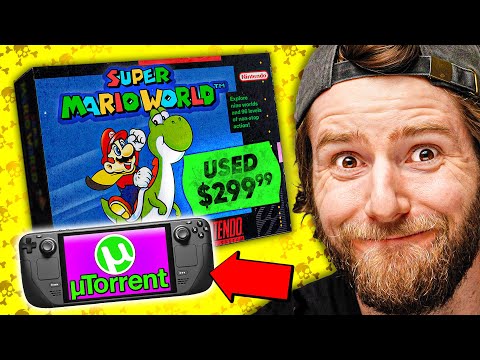
The short answer, frustratingly, is: it depends. While owning a physical copy of a game might feel like a free pass to download and play a ROM version, the reality is far more nuanced. The legality hinges on a complex interplay of copyright law, Digital Millennium Copyright Act (DMCA) provisions, and the specific actions you take to obtain and use the ROM. Let’s dive into the details.
The Core Issue: Copyright and Circumvention
Copyright law protects the intellectual property rights of game developers and publishers. This includes the game’s code, artwork, music, and overall design. When you purchase a physical game, you’re essentially buying a license to play that game on its intended platform. You aren’t buying ownership of the copyright itself.
Downloading a ROM from the internet, even if you own the physical copy, is generally considered copyright infringement because you’re obtaining a copy of the game without the copyright holder’s permission. The “but I already own it!” argument, while intuitively appealing, doesn’t automatically negate the infringement.
However, the real sticking point often involves circumvention. Many ROMs aren’t simply floating around waiting to be downloaded. They are often created by bypassing copy protection measures, also called Digital Rights Management (DRM), embedded in the original game cartridge or disc. The DMCA specifically prohibits circumventing DRM to access copyrighted works. So, even if you own the game, the act of downloading a ROM that was created by circumventing DRM could be illegal.
The “Fair Use” Argument: A Murky Defense
A potential defense against copyright infringement claims is the “fair use” doctrine. Fair use allows for limited use of copyrighted material without permission for purposes such as criticism, commentary, news reporting, teaching, scholarship, or research.
Could emulating a game you own fall under fair use? It’s a tough sell. While archival purposes or personal backup copies might be argued as fair use, it’s unlikely to hold up in court. Fair use is a highly fact-specific defense, and courts will consider factors like the purpose and character of the use, the nature of the copyrighted work, the amount and substantiality of the portion used, and the effect of the use upon the potential market for or value of the copyrighted work.
Since downloading a ROM, even for personal use, could potentially undermine the market for the original game (or re-releases), it’s difficult to argue that it’s fair use. This is especially true if the game is still being sold digitally or through services like Nintendo Switch Online.
Creating Your Own ROM: A (Slightly) Safer Path
The legal landscape becomes slightly clearer if you create your own ROM from a game you own. This involves using a device to “rip” the game data from the cartridge or disc and create a digital file. While there’s no definitive legal precedent, this scenario has a stronger argument for being lawful.
The key is to ensure you’re not circumventing any DRM in the process. Some older consoles lack robust DRM, making the ripping process relatively straightforward. However, more modern consoles often have security measures in place that you’d need to bypass to create a ROM.
Even if you manage to create a ROM without circumventing DRM, it’s still crucial to only use the ROM for personal use and not distribute it to others. Sharing ROMs online is a clear violation of copyright law. The Games Learning Society supports responsible gaming and understanding the nuances of copyright in the digital age. Learn more about educational games and legal considerations at GamesLearningSociety.org.
Nintendo’s Stance: A Cautionary Tale
Nintendo is notoriously protective of its intellectual property. The company has a long history of pursuing legal action against websites that distribute ROMs and even individuals who create or use emulators in ways that infringe on their copyrights. While Nintendo might not sue every individual downloading a ROM, the risk is always there. Their legal actions serve as a warning to deter widespread copyright infringement.
Conclusion: Tread Carefully
Emulating games you own is a legal minefield. While there’s no easy yes or no answer, the risks of copyright infringement and DMCA violations are real. Downloading ROMs from the internet, even if you own the physical game, carries the highest risk. Creating your own ROMs from your own games may be a safer option, but even then, you need to be careful not to circumvent any DRM. Ultimately, the decision is yours, but it’s crucial to understand the potential legal consequences before proceeding.
Frequently Asked Questions (FAQs) About Emulation and ROMs
Here are some common questions surrounding emulating games and downloading ROMs:
1. Is it legal to download an emulator?
Yes, downloading and using an emulator is generally legal. Emulators are software programs that simulate the hardware of a game console, allowing you to play games designed for that console on your computer or other device. The legality comes into question when you use the emulator with ROMs (game files) obtained illegally.
2. Can I get sued for downloading ROMs?
While the risk is relatively low, yes, you can be sued for downloading ROMs, even if you own the physical game. Copyright holders have the right to pursue legal action against individuals who infringe on their copyrights.
3. Is it legal to share ROMs with friends?
No. Sharing ROMs, even with friends, is copyright infringement. You’re essentially distributing copies of copyrighted material without permission.
4. What’s the difference between an emulator and a ROM?
An emulator is a software program that simulates the hardware of a game console. A ROM is a digital file containing the game data. Think of the emulator as the console and the ROM as the game cartridge or disc.
5. Is it illegal to sell emulators?
No, selling emulators is generally legal, as long as the emulator itself doesn’t contain any copyrighted code or violate any other laws.
6. Can I use ROMs for commercial purposes?
No. Using ROMs for commercial purposes, such as including them with a product you’re selling or using them in a public arcade, is a clear violation of copyright law.
7. What are the risks of downloading ROMs from unknown websites?
Besides the legal risks, downloading ROMs from untrustworthy websites can expose you to malware, viruses, and other security threats. Always download ROMs from reputable sources (though even those sources may still be providing illegal content).
8. Is it legal to play ROMs of games that are no longer sold?
Even if a game is no longer sold, it doesn’t mean the copyright has expired. Downloading ROMs of abandoned games is still technically copyright infringement.
9. What is the DMCA, and how does it relate to emulation?
The Digital Millennium Copyright Act (DMCA) is a United States copyright law that criminalizes the circumvention of technological measures used to protect copyrighted works. This means that if you have to bypass DRM to obtain a ROM, you’re violating the DMCA.
10. Does owning a ROM give me any legal rights?
No. Simply possessing a ROM, even if you think you obtained it legally, doesn’t grant you any legal rights to the game. The copyright holder retains all rights to the game.
11. Are there any legal ways to play retro games?
Yes! Many publishers offer digital re-releases of classic games on platforms like Steam, GOG, Nintendo Switch Online, and PlayStation Network. These are legal ways to enjoy retro games without infringing on copyright.
12. What is “homebrew” and is it legal?
“Homebrew” refers to games and applications created by independent developers for retro consoles. Homebrew ROMs are often legal to download and play, as long as they don’t contain any copyrighted material from other games.
13. Can I modify ROMs (ROM hacking)?
Modifying ROMs is a gray area. If you own the original game and are only modifying the ROM for personal use, it may be considered fair use. However, distributing modified ROMs is likely copyright infringement.
14. What’s the difference between “abandonware” and freeware?
“Abandonware” is a term used to describe software that is no longer actively supported or sold by its copyright holder. It doesn’t mean the copyright has expired. Freeware, on the other hand, is software that is explicitly licensed for free use.
15. Where can I learn more about copyright law and emulation?
Consult with a legal professional specializing in intellectual property law for specific advice. Additionally, organizations like the Electronic Frontier Foundation (EFF) provide resources on copyright and digital rights. And, of course, the Games Learning Society offers valuable insights into the intersection of games, learning, and digital rights.