Is Emulating Old Games Piracy? Unraveling the Legal and Ethical Labyrinth
Fast answer first. Then use the tabs or video for more detail.
- Watch the video explanation below for a faster overview.
- Game mechanics may change with updates or patches.
- Use this block to get the short answer without scrolling the whole page.
- Read the FAQ section if the article has one.
- Use the table of contents to jump straight to the detailed section you need.
- Watch the video first, then skim the article for specifics.
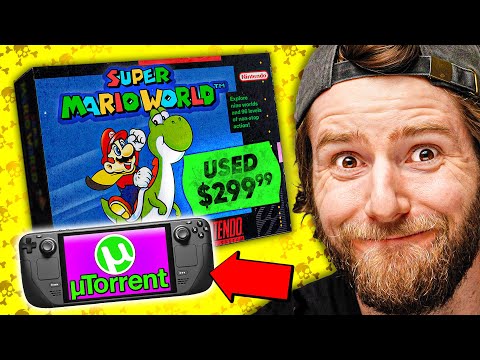
The question of whether emulating old games constitutes piracy isn’t a simple yes or no. The short answer is: emulation itself is not inherently piracy. The legality hinges almost entirely on the source of the ROM you’re using. If you legally own the game and create a ROM from your own copy, you’re generally in the clear. However, downloading ROMs from the internet without owning the original game almost always constitutes copyright infringement, which is a form of piracy. Let’s delve deeper into this complex issue, exploring the nuances and legal considerations involved.
Understanding the Key Concepts
Before we dissect the specifics, it’s crucial to understand the terminology:
- Emulation: The process of one device mimicking the functions of another. In this context, it means using software (an emulator) to run games designed for older consoles on modern devices like PCs, smartphones, or tablets.
- ROM (Read-Only Memory): A digital copy of the game data, extracted from the original cartridge or disc. It’s essentially the game file that the emulator reads and runs.
- Piracy: The unauthorized reproduction and distribution of copyrighted material, including video games.
- Copyright Infringement: The violation of the exclusive rights granted to the copyright holder, such as the right to copy, distribute, and display their work.
The Legal Landscape: A Gray Area
The legality of emulation operates in a somewhat gray area, primarily due to the complexities of copyright law. While emulators themselves are legal because they don’t contain any copyrighted code from the original consoles (they’re independently developed software), the ROMs often infringe upon copyright.
Here’s a breakdown:
- Emulators are legal: Developing and distributing emulators is generally permissible. They’re seen as tools that can be used for legitimate purposes, such as game preservation and historical research.
- ROMs from legally owned games: If you own the physical copy of a game and create a ROM from it, you are generally considered to be within your rights, depending on the specific laws of your jurisdiction. This is often referred to as “backing up” your game.
- Downloaded ROMs are problematic: Downloading ROMs from the internet is almost always copyright infringement if you don’t own the original game. Even if the game is very old or no longer commercially available, the copyright may still be in effect.
- Abandonedware: The concept of “abandonedware” (games that are no longer sold or supported by their copyright holders) is often discussed, but it doesn’t automatically make downloading ROMs legal. The copyright still exists, even if the game isn’t being actively sold.
The Ethical Considerations
Beyond the legal aspects, there are ethical considerations to ponder:
- Supporting Developers: Pirating games, even old ones, can harm the game industry. Developers and publishers rely on sales to fund future projects.
- Preservation: Emulation plays a crucial role in preserving gaming history, allowing future generations to experience classic games.
- Accessibility: Emulation can make games more accessible to people with disabilities who may not be able to play them on original hardware.
FAQs: Your Burning Questions Answered
1. Is downloading an emulator illegal?
No, downloading an emulator is generally legal. Emulators are software programs, and their distribution is not considered copyright infringement.
2. Is downloading ROMs illegal?
Yes, almost always. Downloading ROMs of games you don’t own is considered copyright infringement and therefore illegal.
3. What if the game is no longer sold?
The copyright still applies, even if the game is no longer commercially available. The concept of “abandonedware” does not have legal standing.
4. Can I go to jail for downloading ROMs?
While possible, it’s highly unlikely for casual downloading. Copyright infringement can result in civil lawsuits with hefty fines. Jail time is usually reserved for large-scale piracy operations.
5. What is the difference between emulation and piracy?
Emulation is the technical process of running software on a different platform. Piracy is the unauthorized copying and distribution of copyrighted material, such as ROMs.
6. Is it legal to make a ROM of a game I own?
Generally, yes. Making a ROM from a game you legally own for personal use is often considered fair use or a legitimate backup.
7. Are there any legal ROM sites?
Yes, but they are rare. Some publishers offer ROMs of their classic games through official channels, such as online stores or subscription services.
8. What are the penalties for copyright infringement?
Penalties can include fines ranging from hundreds to thousands of dollars per infringement, as well as potential legal fees and court costs. Felony charges may also apply in severe cases.
9. Does Nintendo care about old ROMs?
Yes, Nintendo is known for being very protective of its intellectual property and actively combats piracy, even for older games.
10. What is “fair use” in relation to emulation?
“Fair use” is a legal doctrine that allows limited use of copyrighted material without permission. However, downloading ROMs generally does not fall under fair use.
11. Is using a modded console for emulation illegal?
Modifying a console itself isn’t inherently illegal, but using it to play pirated games is.
12. What is the best way to legally emulate old games?
Purchase the games on official digital distribution platforms (if available), use subscription services that offer classic games, or create ROMs from your own legally obtained copies.
13. Are fan-made remakes legal?
Fan-made remakes often infringe on copyrights. Companies often send cease and desist letters to shut them down.
14. How can I support game developers and still enjoy retro games?
Buy retro games when they are available on platforms such as Steam, GOG, the Nintendo eShop, or PSN, and show your support for future development.
15. Where can I learn more about the intersection of games, learning, and society?
Check out the Games Learning Society and its resources at GamesLearningSociety.org. They offer valuable insights and research on how games can be used for educational purposes.
Conclusion: Tread Carefully
The world of emulation is a fascinating blend of nostalgia, technology, and legal complexities. While emulation itself is not piracy, obtaining ROMs through unauthorized means almost certainly is. It’s crucial to understand the legal and ethical implications before downloading ROMs. By respecting copyright laws and supporting developers, we can ensure the preservation and continued growth of the gaming industry for generations to come.