Is Frisk the 8th Human to Fall in Undertale? Unraveling the Mystery
Fast answer first. Then use the tabs or video for more detail.
- Watch the video explanation below for a faster overview.
- Game mechanics may change with updates or patches.
- Use this block to get the short answer without scrolling the whole page.
- Read the FAQ section if the article has one.
- Use the table of contents to jump straight to the detailed section you need.
- Watch the video first, then skim the article for specifics.
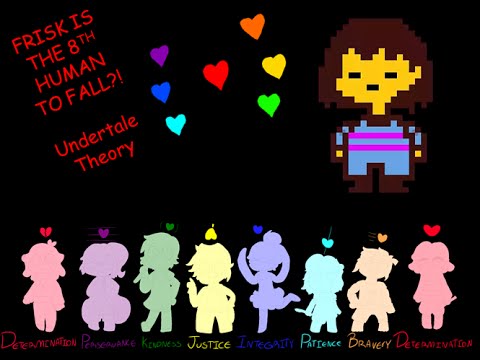
Yes, according to the widely accepted interpretation and supported by in-game evidence, Frisk is the eighth human to fall into the Underground. While referred to sometimes as potentially being the “seventh” in specific contexts, this refers to them being the seventh after Chara (the first) and the one whose soul is intended to be the final one needed to break the barrier. It’s all a matter of perspective and narrative framing within the game’s complex lore.
Delving Deeper into the Lore: Frisk’s Role in Undertale
To understand why Frisk is considered the eighth human, we need to look at the timeline and the roles of the previous humans. The story of Undertale centers around the protagonist, Frisk, navigating the monster-filled Underground after falling from Mt. Ebott. As players progress, they uncover fragments of the past, piecing together the history of the six humans who fell before them and the pivotal role of Chara, the first human to fall.
The Significance of the Souls
Each human soul possesses a unique trait, like Justice, Kindness, Patience, Bravery, Integrity, and Perseverance. These souls are crucial to the monsters’ plan to escape the Underground. To break the barrier that confines them, they need seven human souls. As Asgore explains, acquiring these souls is the only way to gain enough power to shatter the barrier and return to the surface.
Frisk, upon falling, carries the crucial DETERMINATION soul. This trait allows them to reset timelines and influence the world around them. In the narrative, Frisk’s soul is seen as the final piece of the puzzle that Asgore requires. This is because once Asgore obtain’s Frisk’s soul it is considered the ‘seventh’ to be used to free the monsters, completing the necessary set for his goal. The other six souls are already in Asgore’s possession, making Frisk’s soul the concluding one.
Understanding the “Seventh” Human Misconception
The reason for the common phrase “seventh human” concerning Frisk arises from the focus on the souls necessary to break the barrier. Chara is always acknowledged as the first fallen human. The other six souls already belong to Asgore and are contained. Therefore, Frisk needs to be the seventh soul collected to break the barrier. The context is not that Frisk is the literal seventh person to fall.
The storyline prioritizes breaking the barrier, not necessarily the order of falls. Therefore, Frisk is most notably the seventh soul that Asgore needs, even if they are the eighth individual human to have ever fallen.
This nuance often causes confusion among players. The game’s characters mainly refer to the number of souls needed to be free, which may be one of the reasons people think Frisk is the 7th.
Exploring Player Agency and Narrative Influence
One of the most engaging elements of Undertale is the degree of player agency. Frisk’s choices directly impact the narrative. Players decide whether to show mercy or violence. This choice determines the path they take. The path in turn influences the fate of the Underground and its inhabitants. This level of agency encourages thoughtful gameplay and discussion and the educational potential of games like Undertale is one topic of the Games Learning Society. You can explore more about learning through games on GamesLearningSociety.org.
Whether it’s the Pacifist Route, where Frisk befriends everyone, the Genocide Route, where they eliminate every monster, or the Neutral Route, with varying outcomes, Frisk’s choices shape the story.
Frequently Asked Questions (FAQs) About Frisk and the Fallen Humans
Here are 15 frequently asked questions to further clarify the mysteries surrounding Frisk, Chara, and the fallen humans in Undertale:
-
Is Frisk the character you name at the beginning of Undertale? No, the name you enter at the start of the game is for the first fallen human, Chara. Frisk’s name is only revealed in the True Pacifist ending.
-
What is Frisk’s gender? Frisk’s gender is intentionally ambiguous. The game never explicitly states their gender, allowing players to project their own identities onto the character.
-
What does Frisk’s soul color (DETERMINATION) mean? The red soul represents DETERMINATION. It gives Frisk the unique ability to save, load, and reset timelines. This power is central to the game’s mechanics and story.
-
Is Chara evil? Chara’s morality is complex and open to interpretation. In the Genocide Route, the player’s actions corrupt Frisk and Chara, leading to violent outcomes. However, in other routes, Chara can be seen as more nuanced.
-
How did the other six humans die? The game hints at the circumstances of their deaths, with items found in the Underground representing their traits. However, the exact details are left ambiguous, fueling fan theories and speculation.
-
Why does Flowey hate Frisk? Flowey, initially unable to feel love, is confused and frustrated by Frisk’s capacity for compassion, especially in a world where he believes it’s “kill or be killed”.
-
What is the difference between Frisk and Chara? Frisk is the playable character who navigates the Underground with varying degrees of player influence. Chara is the first fallen human who influences the narrative and ending based on the player’s actions and choices.
-
Why does Sans fight you in the Genocide Route? Sans, normally a laid-back character, fights the player in the Genocide Route because they threaten the existence of all monsters. He is attempting to stop the player from eradicating everyone.
-
Does Frisk have any family? The game provides no information about Frisk’s family before they fall into the Underground. This adds to the character’s mysterious background.
-
What are the different endings in Undertale? Undertale features multiple endings based on the player’s choices: Pacifist, Neutral, and Genocide. Each ending reveals different aspects of the story and the fates of the characters.
-
Why can Frisk reset the timeline? Frisk’s DETERMINATION soul grants them the power to manipulate time. They can undo their mistakes and explore different outcomes, altering the course of the story.
-
Are Frisk and Chara siblings? There is no definitive canon confirmation that Frisk and Chara are siblings. Fan theories abound, but the game leaves their relationship open to interpretation.
-
Why does Asgore want the human souls? Asgore believes breaking the barrier with seven human souls is the only way to secure freedom and revenge for his son, Asriel, who died as a result of human actions.
-
How does Flowey remember resets? Flowey, once Asriel, possessed DETERMINATION before Frisk arrived, allowing him to remember timelines. However, Frisk’s stronger DETERMINATION eventually overrides Flowey’s ability.
-
What is the meaning of the story of Undertale? Undertale explores themes of choice, consequence, morality, forgiveness, and redemption. It encourages players to consider the impact of their actions and the value of empathy and compassion.
Conclusion: Frisk’s Enduring Legacy
Frisk is undoubtedly the eighth human to fall into the Underground. While the context of the “seventh human” is still partially correct, that phrase is used because Frisk would hold the seventh soul required to break the barrier. This character’s journey, shaped by the player’s decisions, cements their place as a complex and compelling protagonist in video game history. Undertale’s layered narrative ensures that Frisk and the mysteries surrounding them will continue to fascinate players for years to come.
These games offer valuable insights into human behavior, collaboration, and problem-solving. This aligns perfectly with the educational goals championed by the Games Learning Society.