Is Gaming Bad for Society? Exploring the Complexities
Fast answer first. Then use the tabs or video for more detail.
- Watch the video explanation below for a faster overview.
- Game mechanics may change with updates or patches.
- Use this block to get the short answer without scrolling the whole page.
- Read the FAQ section if the article has one.
- Use the table of contents to jump straight to the detailed section you need.
- Watch the video first, then skim the article for specifics.
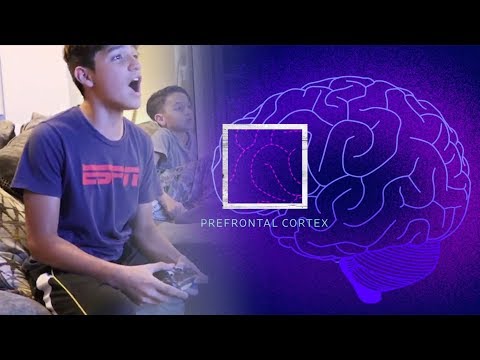
The question of whether gaming is bad for society is not a simple one. The truth is far more nuanced than a straightforward yes or no. While gaming offers numerous benefits and positive impacts, it also carries potential risks that can negatively affect individuals and society as a whole. The key lies in balance, moderation, and responsible engagement. To label gaming as inherently “bad” is to ignore the multifaceted nature of this popular activity.
The Positive Impacts of Gaming
Gaming, at its core, is an interactive form of entertainment and a powerful tool for development. It’s crucial to acknowledge the many positive aspects:
Cognitive Enhancement
- Improved Spatial Awareness: Many games, especially those with 3D environments, require players to navigate virtual spaces, enhancing their spatial reasoning and awareness skills.
- Faster Cognitive Processing: Action-packed games can challenge players to react quickly and make split-second decisions, improving their processing speed and reaction time.
- Enhanced Problem-Solving Abilities: Many games, especially puzzle and strategy games, require players to think critically and solve complex problems, honing their analytical skills.
- Boosted Memory: Engaging with games can improve both short-term and long-term memory through remembering objectives, maps, and character abilities.
Social and Emotional Growth
- Teamwork and Collaboration: Multiplayer games often necessitate teamwork and cooperation, fostering crucial social skills and collaborative abilities.
- Building Connections: Online gaming can provide opportunities for individuals to connect with others, form friendships, and develop a sense of community, especially for those who may struggle with in-person interactions.
- Emotional Regulation: Some games encourage players to manage frustration and persevere through challenges, fostering resilience and emotional regulation.
- Improved Confidence: Achieving goals within games can boost players’ self-esteem and confidence, which can translate to real-world benefits.
- Social Skills Development: Online interactions within games can help build confidence in social communication, especially for those who are shy or have difficulty socializing.
Educational and Creative Opportunities
- Learning and Skill Development: Educational games can make learning fun and engaging, while other games can teach skills related to strategy, resource management, and even coding.
- Creative Expression: Many games allow for creativity through character customization, world-building, and artistic expression within game environments.
- Language Acquisition: Interacting with players from around the world can expose individuals to different languages and cultures, potentially facilitating language learning.
The Negative Impacts of Gaming
While the positive aspects are substantial, the negative impacts of excessive or irresponsible gaming cannot be ignored. These issues often stem from addiction and a lack of balance.
Addiction and Mental Health
- Dopamine Addiction: Games are designed to be engaging and rewarding, triggering the release of dopamine in the brain. Excessive gaming can lead to a dependency on this reward system, resulting in a gaming addiction.
- Poor Mental Health: Studies have shown that individuals with Internet Gaming Disorder are more prone to anxiety, depression, and aggression. They often struggle to control their emotions, leading to further mental health issues.
- Hyperarousal: Constant exposure to the stimulation of video games can cause the brain to become hyperaroused, leading to difficulties in paying attention, managing emotions, and controlling impulses.
- Emotional Suppression: Some gamers may use gaming as an escape from real-world problems, leading to emotional suppression and difficulty processing feelings.
- Reduced Motivation: Gaming addiction can lead to a decline in motivation for other activities, including school, work, and hobbies.
Physical Health Risks
- Repetitive Stress Injuries (RSI): Hours of repetitive gaming motions can result in RSI issues like carpal tunnel syndrome.
- Poor Sleep Habits: Late-night gaming sessions can disrupt sleep patterns, leading to poor sleep hygiene and fatigue.
- Obesity: Spending excessive time gaming often leads to a sedentary lifestyle, contributing to weight gain and obesity.
- Vision Problems: Prolonged screen time can cause eye strain and potentially lead to more serious vision problems.
Social and Relational Issues
- Social Isolation: Addictive gaming can lead to social withdrawal and a lack of real-world interaction, negatively impacting social skills and relationships.
- Relationship Problems: Excessive gaming can strain relationships with family and friends, as the gamer may prioritize gaming over social interactions.
- Toxic Gaming Environments: The online gaming world can sometimes be toxic, exposing players to harassment, bullying, and hate speech.
Other Risks
- Cyberbullying and Online Harassment: Online gaming can expose players to cyberbullying and online harassment, which can have serious emotional consequences.
- Exposure to Inappropriate Content: Some online games contain violent or otherwise inappropriate content that can be harmful to young minds.
- Financial Risks: Excessive in-game spending and account hacking can result in financial loss and identity theft.
- Aggressive Behaviors: Studies have indicated a link between exposure to violent video games and increased aggression in children and adolescents.
Finding a Balance
The key takeaway is not that gaming is inherently bad, but that excessive and uncontrolled gaming can lead to negative consequences. Responsible gaming involves:
- Setting time limits: It’s important to establish limits on gaming time to avoid addiction and maintain a balanced lifestyle.
- Prioritizing other activities: Ensuring time is spent on school, work, hobbies, exercise, and social interaction is crucial for well-rounded development.
- Being aware of mental health: Recognizing signs of gaming addiction and seeking help when necessary is essential.
- Promoting responsible online behavior: Teaching children and teens about online safety, cyberbullying, and appropriate online interactions is critical.
- Engaging in healthy gaming environments: Choosing online communities that promote positive interactions and respect can enhance the gaming experience.
Conclusion
So, is gaming bad for society? The answer is a conditional “it depends.” When approached responsibly, gaming can be a positive force, offering cognitive, social, and creative benefits. However, excessive and irresponsible gaming can lead to a host of negative consequences, including addiction, mental health issues, physical health problems, and social isolation. The key lies in finding a healthy balance and promoting responsible gaming habits. Education, awareness, and responsible oversight are crucial to harnessing the benefits of gaming while mitigating its potential risks.
Frequently Asked Questions (FAQs)
1. What is Gaming Disorder?
Gaming disorder is recognized by the World Health Organization as a mental health condition characterized by an impaired control over gaming, an increasing priority given to gaming over other aspects of life, and a continuation of gaming despite negative consequences.
2. How Much Gaming is Too Much?
While individual tolerances vary, generally, spending more than 21 hours per week gaming (approximately 3 hours per day) is considered excessive and can lead to negative impacts on wellbeing.
3. Can Video Games Cause Anger Issues?
Yes, video games can trigger anger issues, particularly when players feel a lack of control over the game’s outcome or when their ego is threatened. This can lead to frustration, hostility, and aggressive behavior.
4. Do Video Games Affect Brain Development?
Yes, studies show that video games can affect brain development. Like stimulants, gaming can increase gray matter in the brain which is involved in connectivity and communication, and can lead to better spatial awareness and faster processing.
5. Are There Any Benefits of Gaming for Learning?
Yes, educational games can be a valuable tool for learning. They can make the process more engaging, teach problem-solving skills, and stimulate cognitive development.
6. How Does Gaming Affect Student Performance?
Excessive gaming can negatively impact student performance by contributing to poor sleep, lack of focus, reduced attention span, and lower academic achievement. However, moderate and balanced gaming does not have negative impacts on education.
7. What are the Risks of Online Gaming?
Online gaming risks include cyberbullying, harassment, exposure to inappropriate content, account hacking, malware, identity theft, excessive spending, and addiction.
8. Can Gaming Improve Social Skills?
Yes, online games can allow players to connect and socialize with others. This can help build confidence and improve social skills, particularly for individuals who may struggle with face-to-face interactions.
9. Do Video Games Cause Stress?
Yes, video games can induce stress, which is often physiological and not emotionally damaging. However, the stress levels are typically not as severe as real-world stress, like experiencing a loss.
10. Does Gaming Lead to Poor Physical Health?
Yes, excessive gaming can lead to physical health problems like eye strain, back pain, obesity, sleep disorders, and repetitive stress injuries.
11. Are Video Games Good for Mental Health?
While moderate gaming can provide mental health benefits, excessive gaming can negatively impact mental health. Gaming addiction is linked to an increased risk of depression, anxiety, and aggression.
12. Can Gaming Be Used for Therapy?
Yes, some therapists utilize video games as a tool for treatment. Games can help in areas such as cognitive training, emotional processing, and behavioral modifications.
13. How Does Gaming Affect the Youth?
Excessive gaming in youth can lead to obesity, eye strain, back pain, aggression, poor social skills, and academic issues. It is essential to manage and limit gaming hours for kids and teens.
14. Are There Any Positive Effects of Violent Video Games?
While the potential exists for some to use violent game scenarios for stress relief, the evidence strongly indicates that exposure to violent video games is linked to increased aggression, desensitization to violence, and decreased empathy.
15. What is the Future of Gaming?
The future of gaming is promising, with emerging technologies like virtual reality (VR) and the increase in mobile gaming offering new immersive and accessible gaming experiences. VR has the potential to revolutionize gaming by creating highly realistic and interactive digital worlds.