Gurranq and Maliketh: Unmasking Elden Ring’s Bestial Clergyman
Fast answer first. Then use the tabs or video for more detail.
- Watch the video explanation below for a faster overview.
- Game mechanics may change with updates or patches.
- Use this block to get the short answer without scrolling the whole page.
- Read the FAQ section if the article has one.
- Use the table of contents to jump straight to the detailed section you need.
- Watch the video first, then skim the article for specifics.
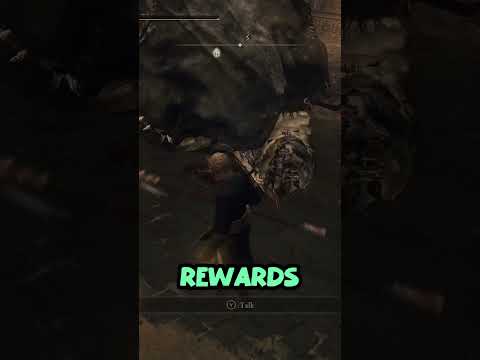
Yes, Gurranq, the Beast Clergyman, and Maliketh, the Black Blade, are indeed the same person in Elden Ring. This revelation is a key turning point in the game’s narrative, revealing a complex history of loyalty, betrayal, and the corrupting influence of power. Let’s delve deeper into this fascinating character and his dual existence.
The Two Faces of One Being
The game cleverly introduces Maliketh under the guise of Gurranq at the Bestial Sanctum in Caelid. This secluded location serves as a sanctuary where Gurranq, driven by an insatiable hunger for Deathroot, resides. Players can offer him this unique item, receiving powerful incantations and beast-themed rewards in return. This initial interaction paints a picture of a solitary, almost pitiable creature, consumed by a dark appetite.
However, the truth is far more complex. By progressing through the game and eventually reaching Crumbling Farum Azula, the player confronts Maliketh in his true form. It is during this climactic battle that the veil is lifted, revealing Gurranq’s true identity: Maliketh, the Black Blade, the loyal shadow and brother of Queen Marika, entrusted with guarding the Rune of Death. This duality is crucial to understanding Maliketh’s tragic role in the Shattering.
Maliketh’s Lore: Loyalty and Betrayal
Maliketh’s backstory is steeped in tragedy. He was Marika’s shadow, tasked with ensuring her will and protecting the Elden Ring. He was known as the “Death of the Demigods” for his terrifying ferocity in eliminating those who opposed Marika’s rule. His most important duty was to safeguard the Rune of Death, a fragment of the Elden Ring capable of causing true death.
However, a portion of the Rune of Death was stolen during the Night of the Black Knives, leading to the assassination of Godwyn the Golden, and sparking the Shattering. The anguish and failure of this event profoundly impacted Maliketh. To prevent the stolen Rune from being used again, Maliketh bound it within his own flesh.
This is where Gurranq comes in. To cope with the burden of containing the Rune of Death, Maliketh took on the guise of Gurranq and sought to consume Deathroot, the manifestation of Destined Death spreading throughout the Lands Between. This act can be seen as both a penance and a desperate attempt to control the very force he was tasked with protecting. His insatiable hunger for Deathroot symbolizes his internal struggle and the corrupting influence of the Rune.
The Significance of Deathroot
Deathroot is a key element connecting Gurranq and Maliketh. It’s the physical manifestation of the Rune of Death’s power spreading through the Lands Between after the Night of the Black Knives. By consuming Deathroot, Gurranq attempts to contain and control this spreading influence. This explains his isolated existence at the Bestial Sanctum and his relentless pursuit of the substance.
The player’s role in collecting and delivering Deathroot to Gurranq is significant. It highlights the Tarnished’s involvement in the larger narrative of the Lands Between and their indirect contribution to the events leading up to the confrontation with Maliketh in Crumbling Farum Azula. Each offering of Deathroot reveals more about Gurranq’s past and his connection to the Rune of Death.
The Transformation and the Final Battle
The battle against Maliketh in Crumbling Farum Azula is not just a physical confrontation, but a symbolic one. By defeating him, the player is not only freeing the Rune of Death but also releasing Maliketh from his self-imposed torment. The fight itself is a brutal and chaotic display of power, reflecting the destructive nature of the Rune of Death and the tragic figure of Maliketh, torn between his duty and his internal struggles.
Maliketh’s True Nature: A Shadow Beast
The game strongly implies that Maliketh, like Blaidd who serves Ranni, is a shadow-bound beast to Queen Marika. This means his very existence is tied to her and her will. His loyalty to Marika is absolute, even to the point of accepting her betrayal when she eventually shattered the Elden Ring. This unwavering devotion adds another layer of tragedy to his character.
Frequently Asked Questions (FAQs)
Here are some frequently asked questions about Gurranq and Maliketh to further clarify their relationship and significance in Elden Ring:
-
Are Gurranq and the Beast Clergyman the same? Yes, Gurranq is the name by which Maliketh is known when he presents himself as the Beast Clergyman in the Bestial Sanctum.
-
What happens if you give Gurranq all the Deathroot? After delivering all nine Deathroot, Gurranq states that his hunger remains unsatiated and declares his intent to continue his search alone. He then vanishes, rewarding the player with an Ancient Dragon Smithing Stone.
-
Why does Gurranq sometimes attack the player? After giving Gurranq the fourth Deathroot, he becomes hostile. Players must reduce his HP to a certain point to stop the attack and continue the questline. This hostility is likely a manifestation of the Rune of Death’s influence and his own internal struggles.
-
Is Maliketh the Black Blade a Beastman? While not explicitly classified as a “Beastman,” Maliketh certainly possesses bestial qualities. He is described as a shadow-bound beast and exhibits ferocious combat abilities.
-
Can you still give Gurranq Deathroot after killing Maliketh? Yes, you can still offer Deathroot to Gurranq and complete his questline even after defeating Maliketh in Crumbling Farum Azula.
-
Why does Maliketh eat Deathroot? Maliketh, as Gurranq, consumes Deathroot in an attempt to contain and control the spread of Destined Death following the Night of the Black Knives. It is a way for him to atone for his failure to protect the Rune of Death and to prevent it from being used again.
-
Who betrayed Maliketh? While Maliketh was fiercely loyal to Marika, her act of shattering the Elden Ring can be interpreted as a betrayal of his trust and his duty. This event ultimately forces him to confront his purpose and his connection to the Rune of Death.
-
What is the nickname of Maliketh? Maliketh is often referred to as the Black Blade, a title reflecting his dark armor and his mastery of the Black Blade weapon, which is imbued with the power of Destined Death.
-
What is the significance of Crumbling Farum Azula? Crumbling Farum Azula is the location where the player confronts Maliketh and releases the Rune of Death. It’s a place frozen in time, symbolizing the stagnation and decay that has gripped the Lands Between.
-
What does the name Maliketh mean in Elden Ring? The game states that Maliketh was a beast of such terrifying ferocity that his name came to mean “Death of the Demigods.”
-
Is Maliketh the rightful heir? While this is a theme explored in other fictional universes, the article text specifically mentions that in the End Times, Malekith (note the different spelling) is revealed to be the true heir to the throne, and unifies the three elven races under him. This is not the same entity as Maliketh from Elden Ring.
-
How many Deathroots are there in Elden Ring? There are a total of nine Deathroot that can be found and given to Gurranq.
-
Are there any benefits to handing over Deathroot to Gurranq? Yes, handing over Deathroot to Gurranq rewards the player with various items, including powerful incantations and seals related to bestial magic.
-
Why is Gurranq suddenly hostile? After the fourth Deathroot is given to Gurranq, he becomes briefly hostile due to the corrupting influence of the Deathroot and the Rune of Death. Reducing his health will subdue him, allowing the quest to continue.
-
Is Malekith a wolf or a lion? The description of the Raging Wolf set hints that “wolves are the shadows of the Empyrean,” aligning with Maliketh’s role as Marika’s shadow beast. Therefore, it is more likely to be a wolf.
Understanding the relationship between Gurranq and Maliketh provides valuable insight into the lore and complexities of Elden Ring’s world. This character exemplifies the themes of duty, betrayal, and the corrupting power of fear that pervade the game’s narrative.
For more on the impact of games on learning and society, visit the Games Learning Society at https://www.gameslearningsociety.org/.