Is Heat Bad for Speakers? The Definitive Guide to Thermal Management for Audio Enthusiasts
Fast answer first. Then use the tabs or video for more detail.
- Watch the video explanation below for a faster overview.
- Game mechanics may change with updates or patches.
- Use this block to get the short answer without scrolling the whole page.
- Read the FAQ section if the article has one.
- Use the table of contents to jump straight to the detailed section you need.
- Watch the video first, then skim the article for specifics.
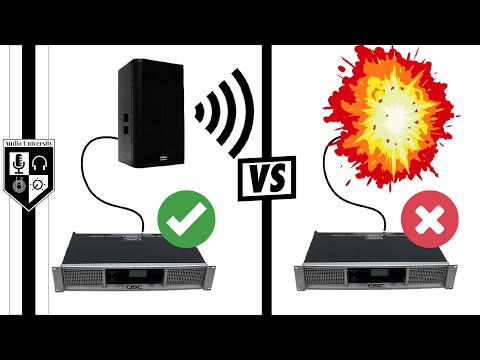
Yes, heat is absolutely detrimental to speakers. Just like a finely tuned engine needs proper cooling, speakers require thermal management to perform optimally and avoid catastrophic failure. Excessive heat can wreak havoc on every component, from the delicate voice coils to the speaker cones themselves, ultimately degrading sound quality and shortening the lifespan of your cherished audio equipment. Let’s delve into the science behind heat’s impact and explore practical strategies to protect your speakers.
Understanding the Enemy: How Heat Damages Speakers
Heat affects speakers in multiple ways:
- Voice Coil Degradation: The voice coil, a critical component responsible for converting electrical signals into mechanical motion, is particularly vulnerable. Made of tightly wound wire, the coil’s insulation can melt or break down under high temperatures, leading to short circuits and ultimately a burned-out voice coil. This is a common cause of speaker failure, especially when pushing amplifiers to their limits.
- Cone Distortion and Cracking: The speaker cone, responsible for radiating sound waves, can also suffer. Extreme heat can cause the cone material (paper, plastic, or composites) to stiffen, warp, or even crack. This alteration negatively impacts the cone’s ability to vibrate accurately, resulting in distorted sound, loss of clarity, and unwanted resonances.
- Adhesive Failure: Speakers rely on various adhesives to hold components together. High temperatures can weaken or even melt these adhesives, causing parts to detach and significantly affect the speaker’s performance. Imagine the surround detaching from the speaker cone; you would have huge distortion or no sound at all!
- Component Aging: Over time, exposure to heat accelerates the aging process of all electronic components within the speaker, including capacitors, resistors, and wiring. This leads to a gradual decline in performance and eventually, failure.
- Suspension Issues: The speaker suspension which holds the speaker cone and the speaker basket together is glued and also made of materials that are subject to breakdown under extreme heat.
Prevention is Key: Protecting Your Speakers from Heat Damage
While some heat is unavoidable during operation, especially at high volumes, proactive measures can significantly extend your speaker’s lifespan.
- Avoid Direct Sunlight: This is the most straightforward way to prevent overheating. Direct sunlight acts like a magnifying glass, concentrating heat and raising the internal temperature of your speakers to dangerous levels. Position your speakers away from windows or use curtains or blinds to block direct sunlight.
- Adequate Ventilation: Ensure proper airflow around your speakers. Cramming them into tight spaces without ventilation traps heat, leading to accelerated wear and tear.
- Moderate Volume Levels: Pushing your amplifier to its maximum output generates excessive heat, which directly impacts the voice coil. Listen at reasonable volume levels to prevent overheating. Pay close attention to clipping, a distorted signal that puts immense stress on both the amplifier and speakers.
- Monitor Amplifier Temperature: An overheating amplifier is a major red flag. Ensure your amplifier has adequate ventilation, and consider using an external fan to improve cooling if necessary.
- Proper Storage: When storing speakers for extended periods, choose a cool, dry location with stable temperatures. Avoid attics, garages, or other areas prone to extreme temperature fluctuations.
- Use a Limiter: A limiter can be set to keep the levels going to your speakers within their safe operating range.
- Invest in Quality Speakers: Higher-quality speakers are often built with better components and materials that are more resistant to heat and wear.
FAQ: Your Burning Questions About Speakers and Heat Answered
Here are some Frequently Asked Questions (FAQs) to help you further understand the relationship between heat and speakers.
1. Can I leave speakers in a hot car?
No, it’s strongly discouraged. The interior of a car can reach extremely high temperatures in direct sunlight, easily exceeding safe operating limits for speakers. These temperatures can damage cones, coils, and glues.
2. Is it OK to leave speakers in the garage?
It depends. If your garage is temperature-controlled and remains within a reasonable range (ideally between 50°F and 80°F), it might be acceptable. However, garages often experience extreme temperature fluctuations and high humidity, which are both detrimental to speakers. Be aware of the potential for condensation.
3. Can high volume levels damage speakers?
Yes. Prolonged exposure to high volume levels can cause the voice coil to overheat and eventually burn out. The higher the volume, the more current is sent to the voice coil.
4. What are the signs of an overheated speaker?
Common signs include distorted sound, weak or muffled output, a burning smell, or complete silence. In some cases, you might hear a rattling sound if components have come loose.
5. Does the type of music I listen to affect speaker temperature?
Yes. Music with heavy bass content demands more power from the amplifier, which in turn generates more heat.
6. Can I use a fan to cool down my speakers?
Yes, using a fan to improve ventilation around your speakers can help dissipate heat and keep them running cooler.
7. Is it safe to cover my speakers with a cloth?
Covering your speakers with a cloth can restrict airflow and trap heat, potentially leading to overheating. It’s best to leave them uncovered or use a breathable dust cover.
8. How do I choose speakers that are more resistant to heat?
Look for speakers with high-temperature voice coils, robust construction, and materials known for their thermal stability. Reading reviews and consulting with audio professionals can help.
9. Can moisture damage speakers?
Yes, moisture is a major enemy of speakers. It can cause corrosion, damage components, and lead to mold growth. Keep your speakers in a dry environment.
10. How long do car speakers typically last?
Car speakers typically last between 4 and 8 years, but this lifespan can be significantly reduced by exposure to extreme temperatures and humidity.
11. Is it OK to leave speakers on 24/7?
While the power consumption in idle mode is minimal, leaving speakers on constantly can still contribute to component aging over time. It’s generally best practice to turn them off when not in use.
12. What is speaker break-in, and does it affect heat?
Speaker break-in refers to the process of loosening up the moving parts of a new speaker to optimize its performance. While break-in doesn’t directly affect heat, it’s important to monitor the temperature during the process and avoid overdriving the speakers.
13. How close to the wall should speakers be placed?
Position speakers at least 2-3 feet away from walls to minimize sound reflections and prevent bass buildup.
14. Does speaker insulation affect temperature?
No, speaker insulation primarily affects sound quality by damping internal resonances and improving bass response. It doesn’t directly impact the speaker’s temperature.
15. Where can I learn more about audio equipment and best practices?
There are numerous resources available online, including forums, blogs, and professional audio websites. Additionally, organizations such as the Games Learning Society at GamesLearningSociety.org offer valuable insights into learning through interactive experiences.
Final Thoughts
Protecting your speakers from heat damage is a simple yet crucial aspect of maintaining their performance and longevity. By implementing the preventative measures outlined above and staying informed about best practices, you can enjoy years of high-quality audio without the worry of thermal failure. Remember, a little care goes a long way in preserving your investment and maximizing your listening pleasure.