Is Hunt: Showdown a Roguelike? Unpacking the Bayou’s Permadeath
Fast answer first. Then use the tabs or video for more detail.
- Watch the video explanation below for a faster overview.
- Game mechanics may change with updates or patches.
- Use this block to get the short answer without scrolling the whole page.
- Read the FAQ section if the article has one.
- Use the table of contents to jump straight to the detailed section you need.
- Watch the video first, then skim the article for specifics.
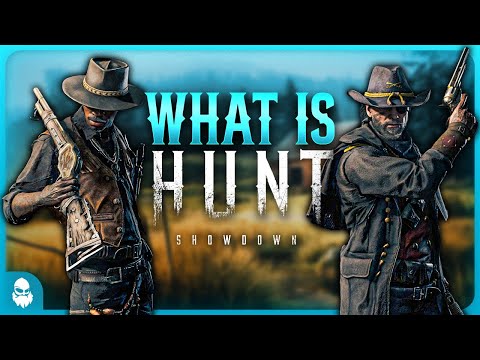
No, Hunt: Showdown is not a roguelike. While it incorporates elements such as permadeath and a high-stakes, risk-reward system, it lacks core roguelike features like procedurally generated maps, turn-based combat, and a strong emphasis on randomized item drops as the primary source of progression. Hunt: Showdown blends PvP, PvE, and extraction shooter mechanics into a unique experience distinct from the roguelike genre. This distinction is vital for players seeking games fitting specific gameplay loops and systems.
Understanding the Roguelike Spectrum
To truly understand why Hunt: Showdown doesn’t quite fit the roguelike mold, it’s crucial to understand the genre itself, and its slightly more lenient cousin, the roguelite.
Roguelike vs. Roguelite: A Tale of Two Subgenres
The term “roguelike” stems from the classic game Rogue (1980), which established many defining characteristics. True roguelikes typically adhere to the Berlin Interpretation, a set of design guidelines established in 2008 that highlight key elements like permadeath, procedural generation, turn-based gameplay, grid-based movement, and a heavy reliance on randomized item drops and resource management. Think of games like NetHack and Angband as prime examples.
Roguelites, on the other hand, offer a more flexible approach. They borrow elements from roguelikes, like permadeath and randomized levels, but often incorporate other genre conventions and mechanics. They may feature real-time combat, persistent character progression beyond a single run, and a greater emphasis on narrative or other genre-specific elements. Hades is a highly popular example of a roguelite done exceptionally well, blending fast-paced action with a compelling story and meta-progression.
Why Hunt: Showdown Leans Away from Roguelike
Hunt: Showdown deviates from the roguelike formula in several key ways:
-
Map Structure: Hunt: Showdown’s maps are handcrafted, not procedurally generated. While the location of clues, monsters, and other players is dynamic, the overall layout of the bayou remains consistent. This allows for strategic planning and map knowledge to become significant advantages.
-
Combat System: Hunt: Showdown features a real-time, first-person shooter combat system. This contrasts sharply with the turn-based combat typically found in roguelikes. Skillful aiming, tactical positioning, and strategic use of cover are crucial for success.
-
Progression System: While permadeath is a core component, Hunt: Showdown offers significant meta-progression. Players unlock new hunters, weapons, and traits that carry over between matches. This reduces the impact of permadeath, as players are not starting completely from scratch each time.
-
Emphasis on PvP: Roguelikes are primarily focused on PvE challenges, with the player battling against the environment and its inhabitants. Hunt: Showdown, however, places significant emphasis on PvP. Players must contend with other hunters who are also vying for the bounty, adding a layer of tension and unpredictability not typically found in roguelikes.
FAQs: Delving Deeper into Hunt: Showdown and Roguelikes
1. What type of game is Hunt: Showdown then?
Hunt: Showdown is best described as a PvPvE extraction shooter with elements of survival horror. Players enter a map, hunt down a bounty, and attempt to extract with their rewards while competing against other players and AI-controlled monsters.
2. How does permadeath work in Hunt: Showdown?
When a hunter dies in Hunt: Showdown, they are permanently lost, along with any gear they were carrying. However, the player retains their bloodline rank and access to unlocked weapons and traits. This allows players to recruit new hunters and equip them with previously unlocked gear, mitigating the impact of permadeath.
3. What are the key features of an extraction shooter?
Extraction shooters involve entering a game world, completing objectives, gathering loot, and then extracting from the world before being killed. Key elements often include high stakes, resource management, PvPvE combat, and a risk-reward system.
4. Is Hunt: Showdown a hardcore game?
Yes, Hunt: Showdown is considered a hardcore game due to its high difficulty, steep learning curve, permadeath mechanic, and intense PvPvE combat. It requires patience, skill, and strategic thinking to succeed.
5. What’s the appeal of permadeath in games?
Permadeath creates a sense of real consequence and heightened tension. It forces players to make careful decisions and to value their characters and resources. The sense of accomplishment after a successful run is often greater in games with permadeath.
6. Does Hunt: Showdown have any roguelike elements at all?
Yes, Hunt: Showdown does incorporate permadeath, which is a core element of the roguelike genre. However, this is practically the sole overlapping mechanic between the two.
7. Is Diablo a roguelike?
The original Diablo drew inspiration from roguelikes, but it’s not a pure roguelike. It lacks key elements like turn-based combat and procedural generation, and features a stronger emphasis on loot and character progression. Diablo is closer to an action RPG or dungeon crawler.
8. Is Minecraft a roguelike?
No, Minecraft is not a roguelike. While it features survival elements and a procedurally generated world, it lacks the key features of permadeath (unless playing in Hardcore mode, which still doesn’t make it a true roguelike) and turn-based combat.
9. What is the oldest roguelike game?
The first known game with core roguelike elements is Beneath Apple Manor (1978), written by Don Worth for the Apple II. It is recognized as the first commercial roguelike game.
10. Why are roguelikes so popular?
Roguelikes offer a unique blend of challenge, replayability, and emergent gameplay. The procedural generation ensures that each run is different, and the permadeath mechanic creates a sense of tension and consequence. They also often reward strategic thinking and resource management.
11. What are some other popular roguelite games?
Besides Hades, popular roguelites include The Binding of Isaac, Dead Cells, Enter the Gungeon, Slay the Spire, and Darkest Dungeon. These games combine roguelike elements with other genre conventions to create unique and engaging experiences.
12. Does Assassin’s Creed have any roguelike elements?
The Assassin’s Creed Valhalla DLC “The Forgotten Saga” introduces a roguelike game mode. This standalone experience features permadeath, procedural generation, and a focus on build variety.
13. Are roguelikes and RPGs the same thing?
Roguelikes are often classified as a subgenre of RPGs, but they emphasize different aspects. Roguelikes prioritize randomness, permadeath, and strategic resource management, while traditional RPGs focus on character development, narrative, and world-building.
14. Where can I learn more about game design and genre conventions?
One excellent resource is the Games Learning Society (GamesLearningSociety.org). They offer valuable insights into game design, learning through games, and the broader intersection of games and education.
15. How does Hunt Showdown encourage player learning and adaptation?
Hunt Showdown heavily emphasizes player learning and adaptation by the following ways:
- Map Knowledge: Players must learn the layout of the maps to strategically navigate them, anticipate enemy encounters, and locate key resources.
- Weapon Mastery: Players must learn the strengths and weaknesses of different weapons, their effective ranges, and their recoil patterns.
- Enemy Behavior: Players must learn the behavior patterns of different AI-controlled monsters to effectively combat them.
- PvP Tactics: Players must develop their own tactics for engaging other players, including positioning, communication, and strategic use of cover.
- Resource Management: Players must carefully manage their resources, including ammunition, health, and consumables, to survive in the bayou.
- Adaptation: Players must be able to adapt to changing circumstances, such as the arrival of other players, unexpected enemy encounters, and environmental hazards.
By mastering these elements, players can improve their chances of survival and success in Hunt: Showdown. The game’s high difficulty and permadeath mechanic create a strong incentive for players to learn and adapt, making it a rewarding experience for those who are willing to put in the effort.
Conclusion: Hunt: Showdown’s Unique Identity
While Hunt: Showdown shares the brutal realism of permadeath with roguelikes, its core gameplay loop, map design, and emphasis on PvP set it apart. It carves its own unique niche within the gaming landscape as a high-stakes, tactical extraction shooter, delivering an experience that is both challenging and immensely rewarding.