Is Into the Breach Connected to FTL? Exploring the Shared DNA
Fast answer first. Then use the tabs or video for more detail.
- Watch the video explanation below for a faster overview.
- Game mechanics may change with updates or patches.
- Use this block to get the short answer without scrolling the whole page.
- Read the FAQ section if the article has one.
- Use the table of contents to jump straight to the detailed section you need.
- Watch the video first, then skim the article for specifics.
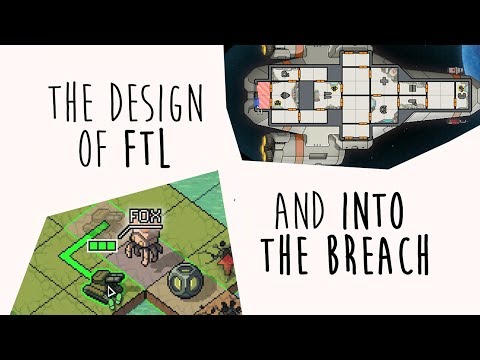
Yes, Into the Breach is directly connected to FTL (Faster Than Light), not in terms of narrative or setting, but rather in its creative lineage and design philosophy. Both games were developed by Subset Games, and Into the Breach emerged as a direct result of the ideas and experiments that followed the success of FTL. While they are vastly different in gameplay, the core DNA of Subset’s design principles – strategic depth, minimalist aesthetics, and high replayability – runs through both titles. Into the Breach can be considered a spiritual successor, inheriting the developer’s unique style and offering a different take on strategic challenges while sharing some of the design ideas and concepts.
The Genesis of Into the Breach: Following FTL’s Footsteps
The article states that Into the Breach came about as a result of ideas developed by Justin Ma and Matthew Davis after the success of FTL. The team had been exploring various game prototypes, and one of them involved a grid-based tactical system. This experiment, coupled with the renewed popularity of the tactical genre sparked by the success of XCOM: Enemy Unknown in 2012, directly influenced the eventual creation of Into the Breach.
This highlights a critical connection: Into the Breach was born from the exploration of game design concepts spurred by the success of their previous title, FTL. It wasn’t a sequel or a spin-off in the traditional sense, but a new exploration of game design using those established ideas. The developers leveraged their experience with FTL to craft something fresh and distinct, proving that innovative game design can often come from building upon previous successes.
Shared Design Philosophy: Minimalism and Strategic Depth
Both FTL and Into the Breach exemplify a minimalist approach to game design. Instead of relying on complex graphics or elaborate stories, both games prioritize strategic depth and replayability. FTL uses a roguelike framework where each run is different because of the encounters and randomly generated events, demanding quick thinking and adaptability. Into the Breach on the other hand presents a series of grid-based tactical challenges where every move needs to be carefully considered.
The minimalist nature of both games isn’t a limitation but rather a design choice. It forces the player to focus on the core mechanics and strategic depth. The simple but effective visual style allows the developers to pack more gameplay complexity into a compact space. This shared philosophy is a crucial link between both games, showcasing Subset Games’ commitment to creating games that are both deeply engaging and approachable.
Into the Breach: A Tactical Evolution
Into the Breach takes inspiration from FTL‘s design principles and translates them into a turn-based tactical game. While FTL is a real-time roguelike focused on managing a spaceship and crew, Into the Breach presents a strategic battlefield where players control squads of mechs to defend the world from invading monsters.
The core design of both titles features heavy reliance on procedural generation and random events. FTL‘s random encounters and store purchases create emergent stories and constant new challenges. Into the Breach may use predetermined maps but features random enemy placements, upgrades, and objective placements, giving a different experience each time you play.
Though the gameplay is different, Into the Breach refines and expands upon the concepts established in FTL. It’s a focused and well-balanced tactical game that provides a different but equally compelling strategic experience while retaining core principles from its predecessor.
Frequently Asked Questions (FAQs)
Here are some frequently asked questions that further detail the connection between Into the Breach and FTL, as well as provide additional information about each game.
1. How long did it take to develop FTL?
FTL took approximately 18 months to develop. This included 6 months to create the first ‘alpha’ version that debuted at the China IGF and then a further year for release. The “Advanced Edition” content and iPad port took an additional year of development.
2. Does Into the Breach have a campaign?
Yes, Into the Breach has a campaign structure composed of mini-campaigns where players free various islands from the invasion. A minimum of two islands must be liberated, after which players can tackle a final two-part siege or continue freeing additional islands.
3. How long does it take to complete Into the Breach?
Completing the main objectives in Into the Breach takes around 5.5 hours. However, achieving 100% completion, which includes all aspects of the game, could take around 49.5 hours.
4. What is considered the hardest squad in Into the Breach?
The Secret Squad is widely considered the most challenging due to its unique “Cyborg” class and irreplaceable Vek pilots, forcing players to adapt with limited initial power.
5. What was FTL programmed in?
FTL was programmed using C++ and SDL. The game’s log specifies that it uses OpenGL, though it might fallback into compatibility mode.
6. What are some of the best squads in Into the Breach?
Some of the best squads in Into the Breach include the Custom Squad, Blitzkrieg, Cataclysm, Flame Behemoths, Zenith Guard, Hazardous Mechs, and Mist Eaters.
7. What engine is FTL made in?
FTL is made using the C++ language and SDL (Simple DirectMedia Layer) graphics library.
8. What makes Into the Breach so good?
Into the Breach is praised for refining FTL‘s mechanics, implementing a sophisticated turn-based system, providing a more balanced difficulty, and offering an incredibly addictive gameplay loop where the strategic puzzle aspects outshine the random elements.
9. Is Into the Breach a puzzle game?
Yes, Into the Breach is considered a puzzle game disguised as a strategy game, with many finding the challenge of each scenario to be that of a complex tactical puzzle.
10. Will FTL come to Switch?
There are no current plans for an FTL port to the Nintendo Switch, mainly due to practical challenges with gamepad and touch screen implementation.
11. Why is FTL not possible in real life?
According to standard physics, moving through space faster than the speed of light (‘c’) is impossible. While the expansion of space can appear to exceed lightspeed, it’s not actually ‘movement’ in the conventional sense. The limitation is not in the expansion of space but the local speed of any object relative to you.
12. What should you upgrade in Into the Breach?
Some of the best mech upgrades in Into the Breach include Networked Shielding, Force Amp, Repair Field, Networked Armor, Vek Hormones, Stabilizers, and Critical Shields.
13. What is the robot leader in Into the Breach?
The robot leader is known as the Bot Leader. It is a silver version of the Artillery-Bot, and its stats and attack power vary based on when Pinnacle Island is completed.
14. What language is Into the Breach coded in?
Into the Breach was coded in C++ using Visual Studio and Notepad++ for Lua scripting. The pixel art was created in Photoshop.
15. Is Into the Breach based off of Pacific Rim?
There is no official connection between Into the Breach and Pacific Rim. While a Netflix game might bear some resemblance with giant robots fighting giant monsters, Into the Breach has its own unique creative source from its development.
Conclusion
While Into the Breach and FTL exist as distinct gaming experiences, they are inextricably linked through their shared development and creative process. Into the Breach is not a sequel but a successor of a unique and successful game. The minimalist, high-strategy, high replayability style is the defining feature of the games from Subset. Understanding this connection enriches the experience of playing both games, recognizing that they are testaments to innovative game design and a commitment to strategic depth and engaging gameplay.