Is it Better to be Evil or Good in Biomutant? A Deep Dive into Aura Choices
Fast answer first. Then use the tabs or video for more detail.
- Watch the video explanation below for a faster overview.
- Game mechanics may change with updates or patches.
- Use this block to get the short answer without scrolling the whole page.
- Read the FAQ section if the article has one.
- Use the table of contents to jump straight to the detailed section you need.
- Watch the video first, then skim the article for specifics.
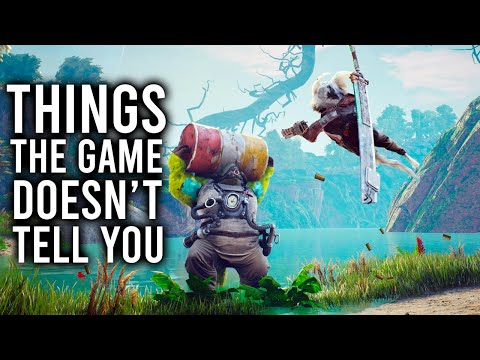
The question of morality often lies at the heart of many RPG experiences, and Biomutant is no exception. The game presents players with a choice between a Light and Dark Aura, influencing not only how NPCs react to you but also subtly shaping the narrative. So, is it better to walk the path of good or evil in Biomutant? The short answer is: neither is inherently “better.” The game does a commendable job of allowing players to experiment with both sides, meaning your choices don’t lock you into a specific trajectory permanently. However, understanding the nuances of each alignment and their implications will help players craft the experience that best suits their playstyle. Ultimately, the “better” choice is the one that provides the most engaging and satisfying gameplay for you.
Understanding the Aura System
The Aura system in Biomutant is a mechanic that tracks your actions and decisions, quantifying them as either “Light” or “Dark.” Every interaction, dialogue choice, and even tribal alliance influences this meter. This Aura, however, isn’t a rigid moral compass; it’s more of a fluid representation of your character’s philosophy and approach to the world.
Light Aura: Harmony and Balance
Choosing to align with the Light Aura often means embracing peace, empathy, and understanding. Light Aura choices typically involve helping others, finding peaceful resolutions, and emphasizing the preservation of nature and life. Tribes aligned with the Light Aura – the Ankati, Netra, and Myriad – represent this philosophy. These tribes seek to unite the world through harmony and balance.
Dark Aura: Power and Destruction
On the other hand, the Dark Aura is associated with aggression, self-interest, and a thirst for power. Players who lean towards this alignment will likely make choices that involve violence, manipulation, and a willingness to sacrifice others for personal gain. The Jagni, Pichu, and Lotus tribes represent the Dark Aura philosophy, each with their own particular brand of destruction.
Aura Impact on Gameplay
While Biomutant’s Aura system presents itself as a significant choice, it doesn’t actually lock players into permanent paths. The game allows for a lot of flexibility. Here’s what you can expect when you lean into one side of the spectrum:
NPC Interactions
NPC reactions are one of the most immediate consequences of your Aura. If your Aura leans significantly to one side, certain NPCs may make comments about your morality, and some might refuse to interact with you. However, these interactions don’t usually lock you out of questlines. The developers made sure the story was accessible to all player styles.
Tribal Alliances
Your Aura also influences the tribes you might feel drawn towards. Those on the Dark path might naturally ally with the destructive tribes, and those on the Light path might prefer to join the more harmonious ones. However, you can still switch between tribes by speaking to their respective Sifus.
No Permanent Choice
The most crucial detail is that choosing Light or Dark does not lock the player into that path for the entire game. Your Aura can change with every decision, allowing you to shift between being a paragon of light one moment and a harbinger of darkness the next. This fluidity is a core design choice that permits players to experiment without fear of locking themselves out of content.
The “Best” Choice: It’s Up to You
Instead of worrying about which path is “better,” focus on the kind of experience you want to create. If you want to explore the different tribal stories and viewpoints you’ll have to walk a somewhat balanced path and even shift alliances. Here are some things to consider:
- Roleplaying: If you want to roleplay as a truly altruistic character, you will be naturally drawn to the Light path. If you want to be an agent of chaos, the Dark path might resonate more.
- Experimentation: Embrace the ability to switch your Aura. The game doesn’t punish you for changing your mind, so feel free to try both paths and see which one feels more enjoyable.
- Combat Style: Your Aura is not tied to combat. Both sides offer unique tribal weapons, and combat strategies do not change based on your Aura.
- Story Immersion: Consider how your choices impact the world and story. Pay attention to the dialogues and react accordingly.
FAQs: Navigating the Morality of Biomutant
1. Does the Aura choice impact the ending?
No. While your Aura influences some conversations and interactions, the final choice is always left to the player. You can choose either the Light or Dark ending regardless of your final Aura alignment.
2. Can I switch between tribes easily?
Yes, you can change tribes by visiting a neutral tribe and then requesting to join the tribe you want from their Sifu. This does not cost anything except time.
3. Is it possible to be completely neutral?
While it’s hard to maintain a perfectly neutral Aura, the system is flexible enough that you can bounce back and forth between Light and Dark as you choose.
4. What are the benefits of being Light vs. Dark?
There aren’t any direct gameplay advantages of being light or dark. The primary benefits are in the narrative, tribal alliances, and dialogue.
5. Does my Aura affect my combat abilities?
No. Your Aura does not change your combat effectiveness. Combat is more tied to your class, skills, and gear.
6. How does luck play into finding loot?
Putting skill points into Luck increases your Loot Chance, resulting in better and rarer gear.
7. What is the best class to choose?
The Saboteur is often cited as the most versatile class. However, all classes have their strengths and weaknesses, so choosing one that suits your play style is best.
8. Do the different breeds impact gameplay?
Your breed only changes your starting stats and character appearance and is not as impactful as class choice.
9. What’s the strongest weapon in the game?
Several weapons are strong, but the Sparkatron Hypicskromp is frequently listed as one of the best.
10. Is it better to sell or dismantle gear?
Dismantling unused gear and weapons for parts is generally better than selling them.
11. Do enemies respawn in the world?
Some enemies, particularly tribe members and wild animals, will respawn, but most do not. This discourages repetitive grinding,
12. Should I end the tribal war early?
Ending the tribal war early will prevent you from getting the unique weapons from the final two tribes. Doing it is best saved for after you’ve conquered them all.
13. How can I get the “evil” ending?
Regardless of your Aura you can pick “Rest in Peace” during the final conversation with the Light and Dark faeries to trigger the dark ending.
14. What is the maximum level in Biomutant?
The maximum level in Biomutant is 100, following updates that increased it from 50.
15. Is Biomutant a good game?
Biomutant has a mixed reception. It’s an average game with both strengths and weaknesses. The open world design and combat mechanics can feel repetitive, though the flexibility with character progression does offer some value.