Two Hands or Not Two Hands: Mastering the Greatsword in Elden Ring
Fast answer first. Then use the tabs or video for more detail.
- Watch the video explanation below for a faster overview.
- Game mechanics may change with updates or patches.
- Use this block to get the short answer without scrolling the whole page.
- Read the FAQ section if the article has one.
- Use the table of contents to jump straight to the detailed section you need.
- Watch the video first, then skim the article for specifics.
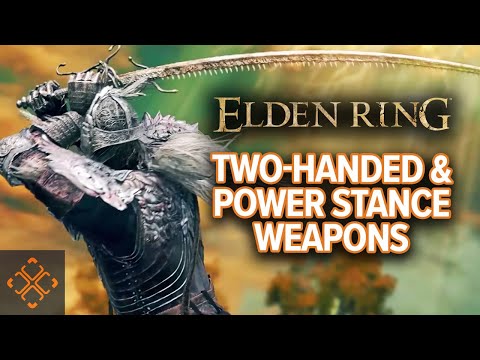
The simple answer? It depends. Two-handing a greatsword in Elden Ring is often better, particularly for maximizing damage output and staggering potential. However, the “best” approach is highly situational and depends on your build, playstyle, and the specific enemy you’re facing. Let’s dive into the nuances of wielding these behemoths to understand when to embrace the double grip and when to keep a hand free.
The Power of Two-Handing: Unleashing the Greatsword’s True Potential
Two-handing a greatsword offers several key advantages:
-
Increased Strength: The most immediate benefit is a 50% increase to your Strength stat. This allows you to meet the Strength requirements of heavier greatswords earlier in the game and, more importantly, substantially boosts your attack power. For Strength-focused builds, this bonus is invaluable, transforming already powerful weapons into absolute wrecking balls.
-
Enhanced Damage: The Strength bonus directly translates to increased physical damage output. This means each swing hits harder, making quicker work of enemies and bosses alike. The raw power of a two-handed greatsword is undeniable, especially against foes vulnerable to physical damage.
-
Improved Stagger Potential: Many greatswords possess strong guard-breaking capabilities when two-handed. Certain attacks, like charged heavy attacks and jump attacks, are significantly more likely to stagger enemies, opening them up for critical hits. Staggering is especially crucial against heavily armored opponents and bosses with predictable attack patterns.
-
Altered Moveset: Two-handing often unlocks a new moveset, typically featuring slower but more powerful attacks with greater range and impact. This might include sweeping attacks that hit multiple enemies or devastating thrusting attacks that can close the gap quickly. Experimentation is key to mastering the nuances of each greatsword’s two-handed moveset.
The Case for One-Handing: When Flexibility Trumps Raw Power
While two-handing offers significant advantages, there are situations where one-handing a greatsword is the superior choice:
-
Shield Usage: Obviously, one-handing allows you to equip a shield. Shields are indispensable for blocking incoming attacks, parrying, and applying status effects. The ability to absorb damage and maintain defensive composure can be crucial for survival, especially against fast-attacking or unpredictable enemies. Shields are helpful in many situations, so do not underestimate them.
-
Status Effect Buildup: Some shields offer unique abilities, such as building up status effects like bleed or frostbite with each block. One-handing a greatsword while using such a shield allows you to combine offensive pressure with defensive utility, creating a versatile and effective strategy.
-
Mobility and Agility: While not typically considered agile weapons, one-handing a greatsword can improve your overall mobility and responsiveness compared to the two-handed stance. You can roll more easily, react more quickly to enemy attacks, and maintain better spacing.
-
Spellcasting and Incantations: If you’re playing a hybrid build that incorporates spellcasting or incantations, one-handing a greatsword allows you to keep your other hand free for casting. This can be essential for applying buffs, healing, or launching ranged attacks while still maintaining melee combat capabilities.
-
Off-Hand Weapon: Certain builds may benefit from using an off-hand weapon, such as a dagger for quick attacks or a seal for casting incantations. One-handing the greatsword makes this strategy possible.
Choosing the Right Approach: Considering Your Build and Playstyle
Ultimately, the decision of whether to two-hand or one-hand a greatsword depends on your individual build and playstyle.
-
Strength Builds: Strength-focused characters will typically benefit most from two-handing, as the Strength bonus maximizes their damage output and stagger potential. Prioritize raw power and focus on devastating blows.
-
Dexterity Builds: Dexterity builds can also effectively use greatswords, especially those with good Dexterity scaling. However, they may find one-handing more appealing, as it allows them to incorporate shields for defense and maintain greater agility.
-
Hybrid Builds: Hybrid builds that combine Strength or Dexterity with Faith, Intelligence, or Arcane may find a balance between one-handing and two-handing, depending on the situation. One-handing allows for casting and shield usage, while two-handing provides burst damage when needed.
Experimentation is Key
The best way to determine the optimal approach is to experiment with different greatswords, movesets, and combat scenarios. Practice switching between one-handing and two-handing mid-combat to adapt to changing circumstances. Understanding the strengths and weaknesses of each stance will make you a more versatile and effective warrior in the Lands Between.
Consider joining discussions and sharing insights with other players at GamesLearningSociety.org. This resource can further enhance your understanding of game mechanics and strategies.
FAQs: Mastering the Greatsword in Elden Ring
1. What is the best greatsword in Elden Ring?
There isn’t a single “best” greatsword, as different weapons excel in different situations and cater to different builds. However, popular and powerful options include the Claymore, Banished Knight’s Greatsword, Grafted Blade Greatsword, and Dark Moon Greatsword. The best choice depends on your stats, preferred playstyle, and the specific enemies you’re facing.
2. Does two-handing a weapon always increase damage in Elden Ring?
Yes, two-handing increases your effective Strength stat by 50%, which in turn boosts your physical damage output. However, the actual damage increase may vary depending on the weapon’s scaling and your existing stats.
3. How do I two-hand a weapon in Elden Ring?
- PlayStation: Hold Triangle and press R1.
- Xbox: Hold Y and press RB.
- PC: Hold E and click the left mouse button.
4. Is it worth upgrading the Iron Greatsword?
Yes, the Iron Greatsword can be a powerful weapon, especially with upgrades and the right Ash of War. It’s a solid choice for Strength-focused builds.
5. What is the Moonlight Greatsword skill?
The Moonlight Greatsword skill, unique to the Dark Moon Greatsword, imbues the weapon with magic, increasing magic attack power and frost buildup. It also allows you to fire ranged magic projectiles.
6. What is the best Ash of War for a greatsword?
The best Ash of War depends on your build and playstyle. Popular options include Lion’s Claw for its powerful single-hit attack, War Cry for its damage buff, and Bloodhound’s Step for its unparalleled mobility.
7. How does scaling work with greatswords?
Greatswords scale primarily with Strength and Dexterity, but some also scale with Intelligence, Faith, or Arcane. Scaling indicates how much your stats contribute to the weapon’s attack power. Higher scaling grades (S, A, B, C, D, E) indicate a greater bonus.
8. Is it better to dual wield greatswords in Elden Ring?
Dual-wielding greatswords can be very powerful, especially with the jump attack L1 combo. However, it requires significant stat investment and sacrifices the benefits of a shield. Consider your build and playstyle carefully before committing to this approach.
9. What stats should I prioritize for a greatsword build?
Prioritize Strength for maximum damage output. Also, allocate points to Vigor for health, Endurance for stamina and equip load, and Mind if you plan to use weapon skills frequently.
10. Can I parry with a greatsword?
No, greatswords cannot be used to parry attacks. You’ll need a shield or a parrying dagger for that.
11. What are some good early-game greatswords?
The Lordsworn’s Greatsword and the Claymore are excellent early-game choices that can be found relatively easily.
12. How important is guard breaking in Elden Ring?
Guard breaking is extremely important, especially against heavily armored enemies and bosses. It staggers them, opening them up for critical hits and dealing significant damage. Two-handing a greatsword significantly improves your guard-breaking capabilities.
13. What is the difference between a greatsword and an ultra greatsword?
Ultra greatswords are larger, heavier, and slower than greatswords. They typically deal more damage and have higher stagger potential, but they also consume more stamina and require higher Strength stats.
14. Is the Claymore a good weapon in Elden Ring?
Yes, the Claymore is widely considered one of the best and most versatile greatswords in Elden Ring. Its balanced stats, moveset, and availability make it a solid choice for a wide range of builds.
15. Where can I find the best Elden Ring build guides?
There are many online resources for Elden Ring build guides, including YouTube channels, gaming websites, and community forums. Experimenting yourself is also key to find a greatsword build that works for your unique playstyle.