Is Buying Gold in WoW Legal? Navigating the Murky Waters of Blizzard’s Rules
Fast answer first. Then use the tabs or video for more detail.
- Watch the video explanation below for a faster overview.
- Game mechanics may change with updates or patches.
- Use this block to get the short answer without scrolling the whole page.
- Read the FAQ section if the article has one.
- Use the table of contents to jump straight to the detailed section you need.
- Watch the video first, then skim the article for specifics.
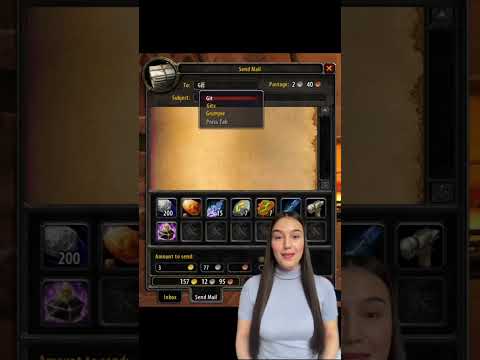
No, buying gold in World of Warcraft (WoW) from third-party sellers is not legal according to Blizzard Entertainment’s terms of service. While not illegal in the sense that it violates any real-world laws, it is a violation of the End User License Agreement (EULA) and Terms of Service (ToS) that all players agree to when creating a WoW account. This means Blizzard has the right to take action against accounts involved in such transactions, potentially leading to penalties such as suspensions or permanent bans. The only “legal” way to acquire gold within the game by spending real-world money is through the official WoW Token system. This system allows players to purchase tokens with real money and sell them on the auction house for gold, providing a safe and sanctioned alternative.
The Allure of Gold Buying: Why Players Risk It
WoW is a game that can be played in many ways. Some want to see all the lore and quests completed, while others want to be the best possible geared character. This can be an expensive, and time consuming process, therefore some turn to the black market.
- Time Savings: Earning gold through legitimate means can be time-consuming, especially for players with limited playtime. Buying gold offers a shortcut to acquiring desired items, mounts, or services without the grind.
- Catching Up: New players or those returning after a break may feel behind in the game’s economy. Gold buying provides a quick way to catch up and participate in high-level activities.
- Convenience: Some players simply find it more convenient to purchase gold than to farm it themselves, regardless of the risks involved.
- Access to Services: Gold fuels various in-game services, such as crafting, enchanting, and boosting, which can enhance a player’s experience.
The Risks Involved: What Blizzard Can Do
Blizzard takes a firm stance against gold buying, implementing various measures to detect and penalize offenders. The consequences can range from temporary suspensions to permanent bans, depending on the severity and frequency of the violation.
- Account Suspension: This is a common penalty for first-time offenders, typically lasting a few days to a couple of weeks.
- Account Ban: Repeat offenders or those involved in large-scale gold buying operations may face permanent account bans, losing access to all characters, progress, and purchased content.
- Gold Removal: Blizzard may remove the illegally purchased gold from a player’s account, effectively negating the benefits of the transaction.
- Item Removal: Items purchased with illegally obtained gold may also be removed from the account.
How Blizzard Detects Gold Buying
Blizzard employs a combination of methods to detect gold buying activities, including:
- Transaction Monitoring: Analyzing in-game transactions for suspicious patterns, such as large sums of gold being transferred between accounts that have no prior interaction.
- Player Reports: Investigating reports from other players who suspect gold buying activities.
- Seller Investigations: Tracking and monitoring known gold sellers and their associated accounts.
- Data Analysis: Utilizing sophisticated data analysis techniques to identify patterns and anomalies that suggest gold buying.
The WoW Token: Blizzard’s Legal Alternative
The WoW Token provides a sanctioned way to exchange real money for in-game gold and vice versa. Players can purchase a WoW Token with real money and sell it on the auction house for gold, or purchase a Token with gold and redeem it for 30 days of game time or Battle.net Balance. This system offers several advantages:
- Safety: It eliminates the risk of account penalties associated with third-party gold buying.
- Legitimacy: It provides a legitimate way to acquire gold without violating the ToS.
- Convenience: It offers a convenient way to exchange real money for gold and vice versa.
Navigating the Grey Areas: Boosting and GDKP
While Blizzard prohibits the direct purchase of gold, certain activities like boosting and GDKP (Gold Dragon Kill Points) runs exist in a grey area.
- Boosting: Players can pay other players gold for assistance in completing challenging content, such as dungeons or raids. While technically not against the rules, excessive boosting can raise suspicion and potentially lead to investigation.
- GDKP: In GDKP runs, players bid gold for items dropped during the raid, and the gold is then split among the raid members at the end of the run. While not explicitly prohibited, GDKP runs can facilitate gold laundering and contribute to the demand for illegally obtained gold.
The Impact on the Game Economy
The prevalence of gold buying can have a significant impact on the game economy, leading to inflation, increased prices, and a widening gap between casual and hardcore players. It can also devalue the efforts of players who earn gold through legitimate means.
Making Informed Decisions: Is It Worth the Risk?
Ultimately, the decision to buy gold in WoW is a personal one. However, it’s crucial to weigh the potential risks against the perceived benefits. While the convenience and time savings may be tempting, the consequences of getting caught can be severe, potentially leading to the loss of your account and all associated progress.
Frequently Asked Questions (FAQs)
1. What exactly constitutes “buying gold” in WoW?
Buying gold refers to purchasing in-game currency (gold) from third-party sellers for real-world money, bypassing the official WoW Token system. This is strictly prohibited by Blizzard’s Terms of Service.
2. Is it possible to buy gold without getting caught?
While some players claim to have successfully bought gold without detection, there’s always a risk. Blizzard’s detection methods are constantly evolving, and even small transactions can raise suspicion.
3. What are the common misconceptions about gold buying in WoW?
A common misconception is that only large transactions are flagged. Blizzard can detect even small amounts of gold being transferred between suspicious accounts. Another is that using a VPN will mask your activity, which is not necessarily true.
4. How does the WoW Token system work?
Players can purchase a WoW Token with real money and sell it on the auction house for gold. Other players can then buy the Token with gold and redeem it for 30 days of game time or Battle.net Balance.
5. What are the benefits of using the WoW Token instead of buying gold from third-party sellers?
The WoW Token is a safe, legitimate, and sanctioned way to acquire gold without risking account penalties. It also supports the game’s economy and provides a fair alternative to illegal gold buying.
6. Can I get banned for selling gold in WoW?
Yes, selling gold for real-world money is also a violation of Blizzard’s ToS and can result in account penalties.
7. How can I earn gold legitimately in WoW?
There are numerous ways to earn gold legitimately, including completing quests, farming resources, crafting items, running dungeons and raids, and participating in the auction house.
8. What is the role of boosting communities in the gold buying ecosystem?
Boosting communities often facilitate the transfer of gold between players, which can contribute to the demand for illegally obtained gold. While boosting itself isn’t always against the rules, it can raise suspicion if excessive or involving suspicious transactions.
9. How can I report someone for buying or selling gold in WoW?
You can report a player by right-clicking their name in chat or their character portrait and selecting “Report Player.” Choose the appropriate category, such as “Cheating” or “Exploiting.”
10. What steps can I take to protect my account from being compromised by gold sellers?
Avoid clicking on suspicious links, sharing your account information with anyone, and using third-party programs that claim to offer unfair advantages. Enable two-factor authentication for added security.
11. Is it true that Blizzard only suspends accounts for gold buying, not bans them permanently?
While suspensions are common for first-time offenders, repeat offenders or those involved in large-scale gold buying operations may face permanent bans.
12. How does GDKP contribute to the demand for gold?
GDKP runs create a demand for gold as players bid on items, which can incentivize some players to purchase gold from third-party sellers to participate.
13. What are the potential long-term consequences of gold buying on the WoW economy?
Gold buying can lead to inflation, increased prices, and a widening gap between casual and hardcore players, ultimately devaluing the efforts of legitimate players.
14. What is Blizzard’s official stance on third-party websites that sell WoW gold?
Blizzard actively discourages and prohibits the use of third-party websites that sell WoW gold, considering them a violation of the ToS.
15. Where can I learn more about the ethics and impact of gold buying in online games?
You can explore resources from academic institutions and gaming organizations like the Games Learning Society (GamesLearningSociety.org), which researches the intersection of games, learning, and society. The Games Learning Society provides insights into the social and economic dynamics within online gaming communities.
Buying gold in WoW from third-party sellers carries significant risks and is a violation of Blizzard’s ToS. While the temptation of quick gains may be strong, the potential consequences are not worth jeopardizing your account and contributing to the degradation of the game’s economy. Opting for the WoW Token or earning gold through legitimate means ensures a safer and more rewarding gaming experience.