Is It Worth Getting an OLED if You Already Have a Switch?
Fast answer first. Then use the tabs or video for more detail.
- Watch the video explanation below for a faster overview.
- Game mechanics may change with updates or patches.
- Use this block to get the short answer without scrolling the whole page.
- Read the FAQ section if the article has one.
- Use the table of contents to jump straight to the detailed section you need.
- Watch the video first, then skim the article for specifics.
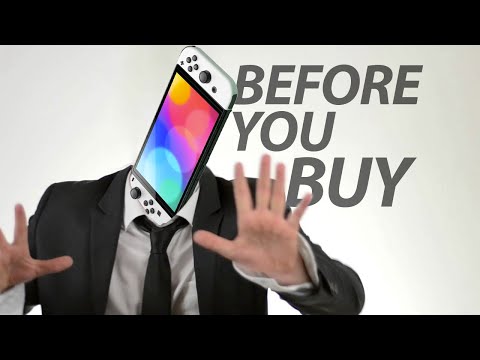
The short answer: it depends. If you’re a hardcore handheld gamer who primarily uses their Switch on the go or in tabletop mode, the upgrade to the OLED model is absolutely worth it. The vibrant screen, improved kickstand, and enhanced audio significantly elevate the gaming experience. However, if you mostly dock your Switch and play on a TV, the benefits are less pronounced, and the upgrade might not be justified unless you also value the increased internal storage and the LAN port in the dock. In a nutshell, evaluate your usage habits and prioritize what matters most to you.
Delving Deeper: The OLED Advantage
The Nintendo Switch OLED model isn’t a revolution; it’s an evolution. It takes what works about the original Switch and refines it, focusing primarily on improving the handheld experience. Let’s break down the key differences and why they matter:
- The OLED Screen: This is the star of the show. The 7-inch OLED display offers superior contrast, richer colors, and deeper blacks compared to the original Switch’s LCD screen. This makes games look more vibrant and immersive, especially in titles with detailed graphics. The larger screen size, while not massive, also provides a more expansive view.
- Improved Kickstand: The original Switch’s flimsy kickstand was a constant source of frustration. The OLED model features a wide, adjustable kickstand that provides a much more stable and versatile tabletop experience. This makes it easier to play with friends on the go without having to worry about the console toppling over.
- Enhanced Audio: The OLED model boasts improved speakers that deliver clearer and more immersive audio. While it’s not a night-and-day difference, the enhanced audio adds to the overall handheld experience.
- Increased Internal Storage: The OLED model comes with 64GB of internal storage, double the 32GB of the original Switch. This gives you more room for digital games and save data, reducing the need for microSD cards (although you can still use them).
- LAN Port in Dock: The OLED dock includes a built-in LAN port, allowing for a more stable and reliable wired internet connection when playing in docked mode. This is a boon for online multiplayer games.
- Aesthetical differences: The overall look and feel of the OLED model are more premium, with a more streamlined design and thinner bezels around the screen.
Who Should Upgrade?
- Handheld Enthusiasts: If you spend most of your time playing your Switch in handheld mode, the OLED model is a worthwhile upgrade. The screen alone makes a significant difference.
- Frequent Travelers: The improved kickstand and enhanced audio make the OLED model a great travel companion.
- Those New to the Switch: If you’re buying a Switch for the first time, the OLED model is the clear choice. The slight price increase is well worth the improved experience.
- Collectors: For those who value the finer things, the OLED model is a more aesthetically pleasing and technically superior version of the Nintendo Switch.
- People who play on the go: The bigger, brighter screen makes it easier to see and read on public transportation.
Who Should Stick with Their Original Switch?
- Docked Mode Dominators: If you primarily play your Switch on a TV, the OLED model offers minimal benefits. The resolution and performance are the same in docked mode.
- Budget-Conscious Gamers: If you’re happy with your original Switch and don’t want to spend the extra money, there’s no need to upgrade.
- Those Waiting for the Switch 2: If you’re holding out for a more significant upgrade, it might be best to wait for the next-generation Nintendo console.
Long-Term Considerations
While the OLED screen is a major selling point, it’s important to consider its longevity. OLED screens are susceptible to burn-in, which occurs when static images are displayed for extended periods, leading to permanent discoloration. However, modern OLED technology has significantly reduced the risk of burn-in, and it’s unlikely to be a major issue for most Switch users, who primarily play varied content.
The Importance of Games in Education
The Nintendo Switch, and gaming in general, can be a powerful tool for education. Video games can help develop problem-solving skills, critical thinking, and creativity. Organizations like the Games Learning Society, through their website GamesLearningSociety.org, actively explore the potential of games for learning and advocate for their integration into educational settings. It’s essential to remember that gaming isn’t just about entertainment; it can also be a valuable learning experience.
Frequently Asked Questions (FAQs)
1. Is the Switch OLED more powerful than the original Switch?
No, the processing power and RAM are the same in both models. Performance in games is identical.
2. Does the Switch OLED have better battery life than the original Switch?
The OLED model boasts similar battery life to the updated version of the original Switch (the one with the red box). It has better battery life than the launch version of the original switch.
3. Can I use my existing Joy-Cons with the Switch OLED?
Yes, the Switch OLED is fully compatible with all existing Joy-Cons and accessories.
4. Will my physical games work on the Switch OLED?
Yes, the Switch OLED uses the same game cartridges as the original Switch.
5. Is the Switch OLED screen glass or plastic?
The screen is glass, providing a more premium feel and better scratch resistance.
6. How much bigger is the OLED screen compared to the original Switch screen?
The OLED screen is 7 inches diagonally, compared to the original Switch’s 6.2-inch screen.
7. Does the Switch OLED support 4K resolution?
No, the Switch OLED still outputs at a maximum resolution of 1080p when docked and 720p in handheld mode.
8. Is the Switch OLED worth it for Zelda: Tears of the Kingdom?
Many fans say yes, especially those who prefer handheld play. The vibrant colors and increased contrast make the game world more immersive.
9. How long will the Switch OLED last before a new console is released?
Estimates vary, but many anticipate a new Nintendo console (Switch 2) arriving sometime in the future. Nintendo’s next-generation console is slowly starting to come into focus.
10. Does the OLED screen degrade over time?
Like all OLED screens, the organic materials can degrade over time. However, modern OLED technology is much more durable, and burn-in is less of a concern than it used to be.
11. What’s a good price for a used Switch OLED?
Used prices vary depending on condition, but you can generally expect to pay between $200 and $280 for a used Switch OLED.
12. Will there be a Switch Pro?
There has been no official announcement of a Switch Pro. All rumors.
13. Is it safe to buy a Nintendo Switch in 2024?
Yes, Nintendo will continue to support the Switch for the foreseeable future.
14. Can OLED burn-in be fixed?
No, OLED burn-in is permanent. However, it can be minimized by avoiding static images for extended periods.
15. Is the Switch dying out?
Absolutely not, Nintendo has released an updated switch line and it’s still going strong.