Is Metro 2033 Redux the Same as Metro: Last Light Redux?
Fast answer first. Then use the tabs or video for more detail.
- Watch the video explanation below for a faster overview.
- Game mechanics may change with updates or patches.
- Use this block to get the short answer without scrolling the whole page.
- Read the FAQ section if the article has one.
- Use the table of contents to jump straight to the detailed section you need.
- Watch the video first, then skim the article for specifics.
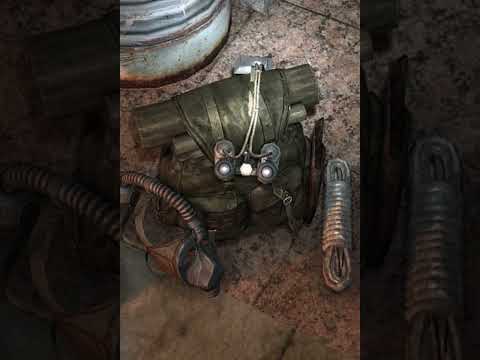
The simple answer is no, Metro 2033 Redux and Metro: Last Light Redux are not the same game. While they share a universe, core gameplay mechanics, and were both remastered using the same engine, they tell separate stories, feature distinct environments, and offer slightly different gameplay experiences. They are essentially two different chapters in Artyom’s journey in the post-apocalyptic Moscow metro system.
Understanding the Metro Universe
The Metro series, based on the novels by Dmitry Glukhovsky, plunges players into the claustrophobic tunnels of the Moscow metro system after a nuclear war renders the surface uninhabitable. Players assume the role of Artyom, a young man who must navigate the dangers of the metro, battling mutated creatures, hostile factions, and the ever-present threat of radiation.
The “Redux” versions are remastered editions of the original games, Metro 2033 and Metro: Last Light. These remasters feature significant graphical improvements, gameplay refinements, and enhancements that bring them closer to each other in terms of visual fidelity and overall experience.
Key Differences Between the Games
Although both are set in the same universe, Metro 2033 Redux and Metro: Last Light Redux offer unique narratives and gameplay characteristics:
Story and Narrative
- Metro 2033 Redux: Follows Artyom’s journey to warn the city of a looming threat from the mysterious Dark Ones. The story is more linear and focuses on survival and the psychological impact of the post-apocalyptic world.
- Metro: Last Light Redux: Continues Artyom’s story, grappling with the consequences of his actions in the previous game. He must navigate the complex political landscape of the metro’s factions and face moral dilemmas that shape the story’s outcome. It features a more nuanced narrative with branching paths and a greater emphasis on player choice.
Gameplay Mechanics
While the core gameplay of both games involves shooting, stealth, and resource management, there are subtle differences:
- Metro 2033 Redux: Feels more like a survival horror game. Resources are scarcer, enemies are tougher, and the atmosphere is generally more oppressive. It emphasizes methodical exploration and careful resource management. The gunplay is also somewhat more basic.
- Metro: Last Light Redux: Offers a more refined and action-oriented experience. The gunplay is more polished, and Artyom has access to a wider range of weapons and gadgets. Stealth mechanics are also improved, allowing for more varied approaches to combat encounters.
Level Design and Environments
- Metro 2033 Redux: Features a more fragmented and interconnected metro system. Levels are often more linear and claustrophobic, emphasizing the sense of being trapped underground.
- Metro: Last Light Redux: Presents a more open and diverse range of environments, including sections on the surface world. Levels are generally larger and more varied, offering more opportunities for exploration and tactical approaches.
Visual and Technical Improvements
Both Redux versions received significant visual upgrades, but there are subtle distinctions:
- Both games benefit from improved lighting, textures, and character models.
- The Redux versions feature enhanced AI for enemies and allies.
- The original Metro: Last Light had a visual edge; the Redux version allowed Metro 2033 to catch up.
Why Play Both Games?
Despite their differences, both Metro 2033 Redux and Metro: Last Light Redux are excellent games that offer a unique and immersive post-apocalyptic experience. Playing both provides a complete understanding of Artyom’s journey and the rich lore of the Metro universe. Each game offers its own distinct strengths, and experiencing both will deepen your appreciation for the series as a whole. The two games offer distinct, compelling narratives, and are worth playing.
Frequently Asked Questions (FAQs)
Here are some frequently asked questions to further clarify the differences and similarities between Metro 2033 Redux and Metro: Last Light Redux:
1. Are the Redux versions just graphical updates?
No, the Redux versions are more than just graphical updates. They include significant gameplay improvements, AI enhancements, and other refinements that enhance the overall experience.
2. Which game should I play first?
It is highly recommended to play Metro 2033 Redux first, as it is the first game in the series and introduces the story, characters, and world. Playing Metro: Last Light Redux first will spoil key plot points from the first game.
3. Do the Redux versions include all the DLC?
Yes, both Metro 2033 Redux and Metro: Last Light Redux include all previously released DLC, offering additional missions, weapons, and content.
4. Are the Redux versions available on all platforms?
The Redux versions are available on PC, PlayStation 4, Xbox One, Nintendo Switch, and Stadia.
5. Is there a difference between playing in “Spartan” or “Survival” mode?
Yes, “Spartan” mode in Metro: Last Light Redux provides a more action-oriented experience with more resources and forgiving combat. “Survival” mode in both games emphasizes resource management, stealth, and a more challenging experience overall. Metro 2033 Redux only allows you to play in “Survival” mode.
6. Can I play Metro: Last Light Redux without playing Metro 2033 Redux?
While you can, it’s not recommended. You’ll miss out on crucial story context and character development, diminishing the impact of Metro: Last Light Redux’s narrative.
7. Are the endings of the games different in the Redux versions?
The fundamental endings remain the same, but the choices you make throughout Metro: Last Light Redux have a greater impact on the ending you receive, determining whether Artyom achieves redemption or succumbs to darkness.
8. Is the original Metro 2033 still worth playing if I have the Redux version?
The Redux version is generally considered the definitive version of Metro 2033 due to its improvements. Unless you have a strong preference for the original’s specific atmosphere or gameplay quirks, the Redux version is recommended.
9. Do the Metro games have multiplayer?
The original Metro: Last Light had plans for multiplayer, but it was ultimately scrapped. Neither Metro 2033 nor their Redux versions feature any multiplayer modes.
10. How long does it take to beat each game?
On average, Metro 2033 Redux takes around 10-12 hours to complete, while Metro: Last Light Redux takes around 12-15 hours. This can vary depending on your playstyle and difficulty setting.
11. What engine do the Redux versions use?
Both Metro 2033 Redux and Metro: Last Light Redux were built using the 4A Engine.
12. Are the Redux versions more optimized than the originals?
Yes, the Redux versions generally offer better performance and optimization compared to the original games, thanks to the engine improvements and updated hardware support.
13. Do the games have any horror elements?
Yes, both Metro 2033 Redux and Metro: Last Light Redux feature strong horror elements, including jump scares, atmospheric tension, and disturbing creature designs.
14. Is there a morality system in the Metro games?
Yes, Metro: Last Light Redux features a hidden morality system where your actions and choices influence Artyom’s karma and ultimately affect the ending you receive. This system is subtler in Metro 2033 Redux.
15. Where does Metro Exodus fit in the Metro timeline?
Metro Exodus is the third game in the Metro series and directly follows the events of Metro: Last Light Redux’s “Redemption” ending (the “good” ending). It takes Artyom and his crew on a journey across post-apocalyptic Russia in search of a new home.